 CREATE AI TATTOO
CALF PLACEMENT GUIDE
Calf tattoo designs
Explore eight calf design directions, from a clear standalone motif to a composition with room to grow. Choose the viewing surface and coverage before adding detail.
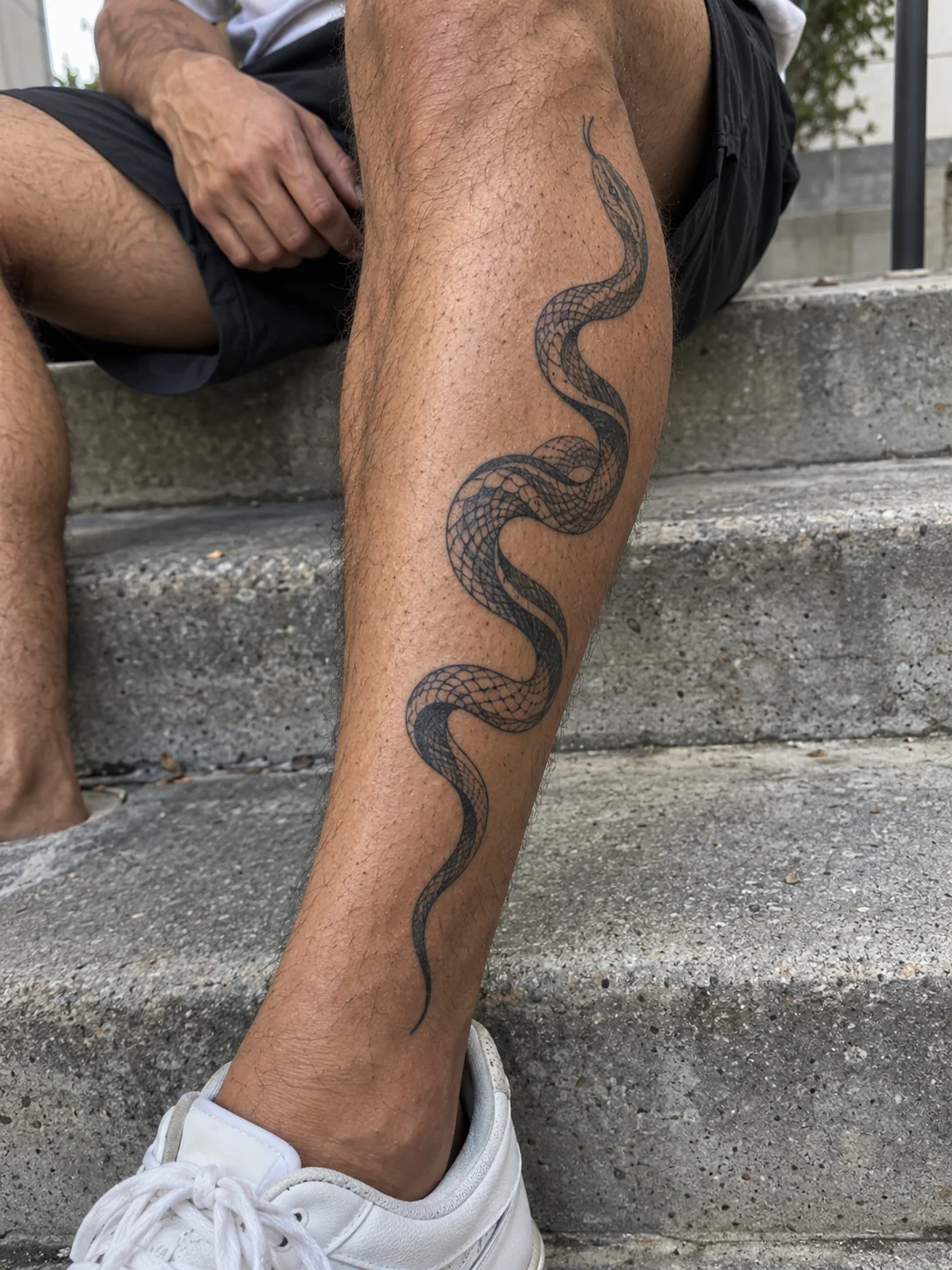
The body visualization shows one placement example. The eight flash references below are existing motif studies to adapt with your artist, not eight finished tattoos on this body part.
START WITH A SHAPE
8 calf tattoo designs to make your own
Eight motif studies to adapt to your chosen placement. The flash images show motifs to adapt, not finished tattoos, healed results or automatic placement previews.
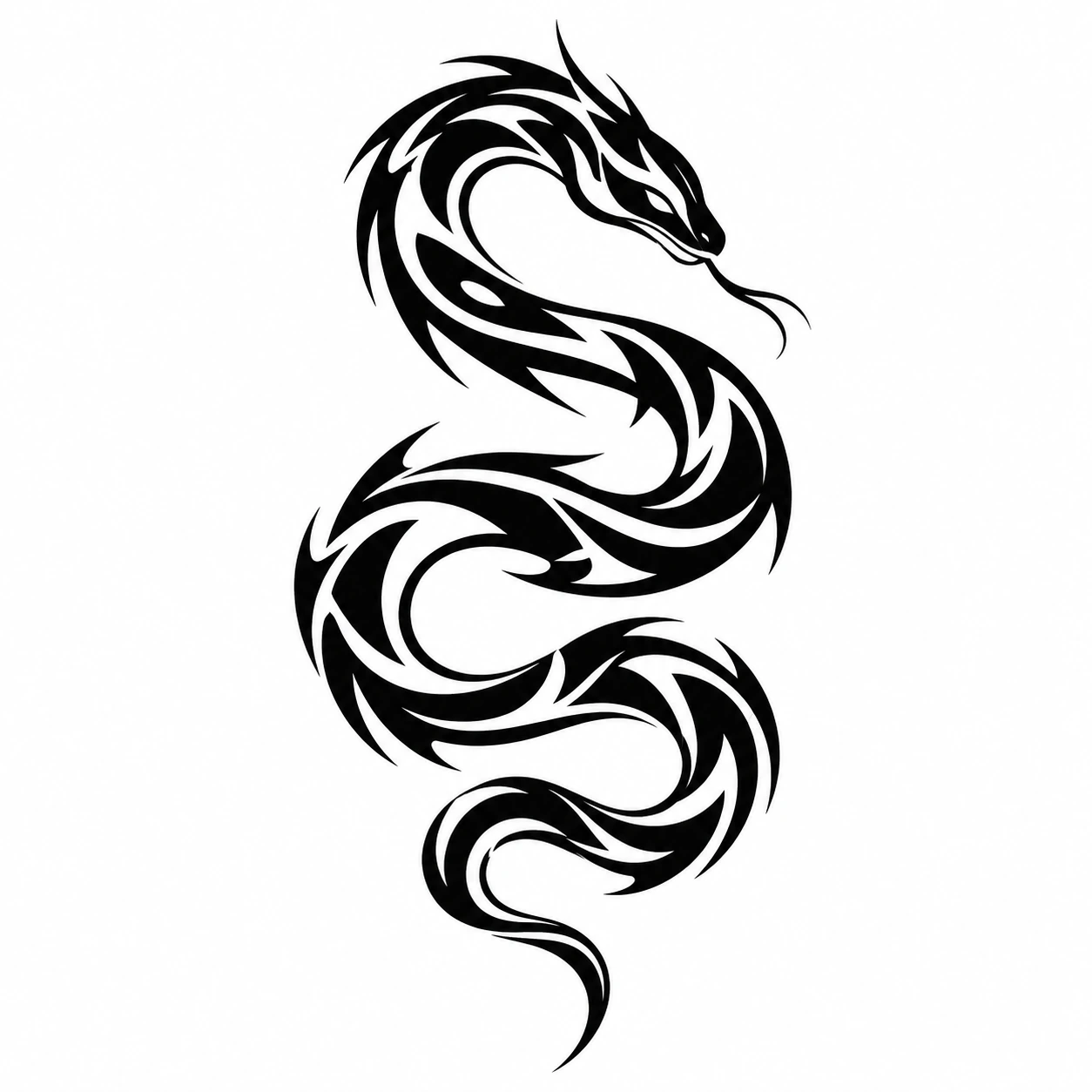
Snake following the calf taper
Place the head high and let two open bends narrow toward the ankle.
Make this direction yours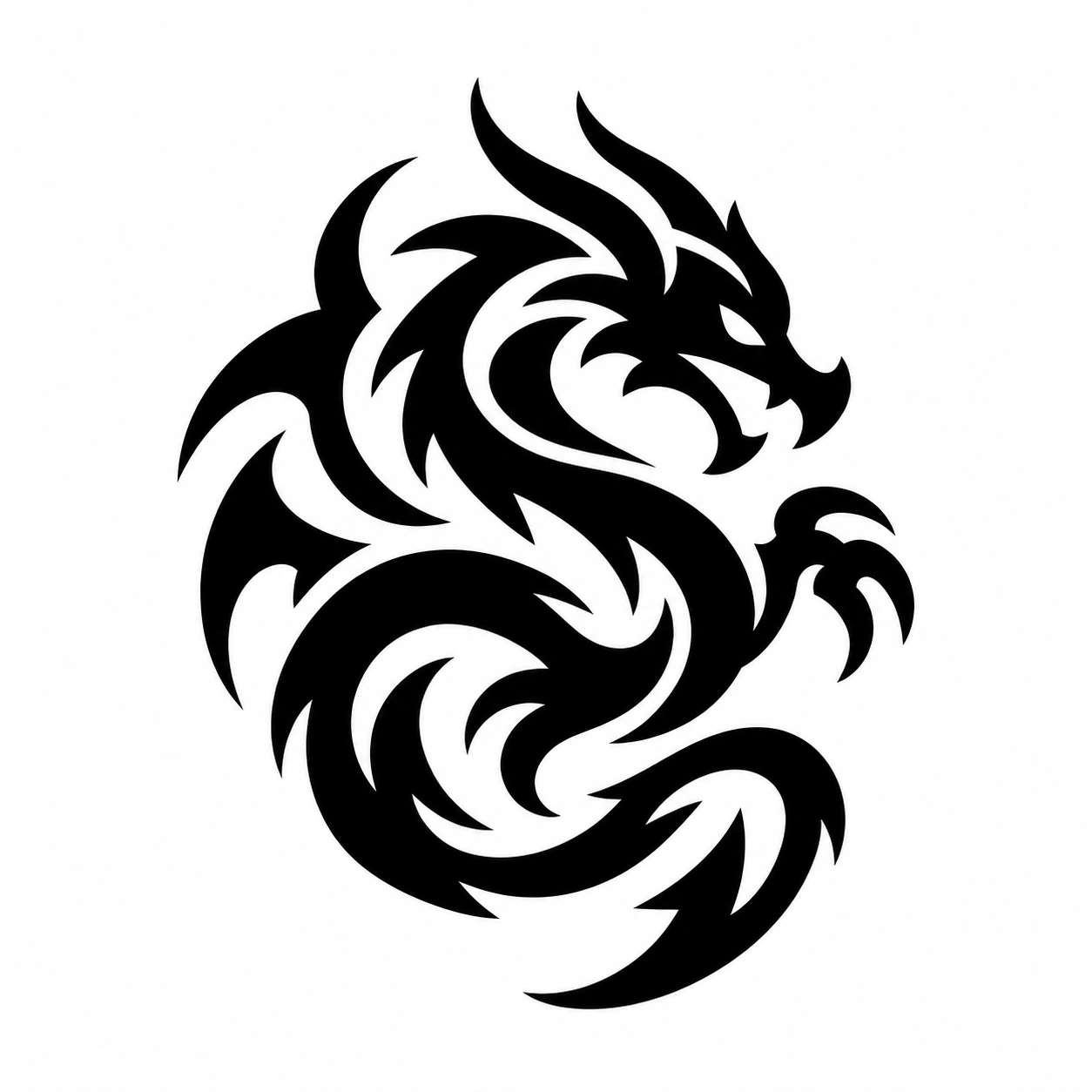
Dragon along the outer calf
Keep the head in the side view and avoid dense coils in the narrow lower end.
Make this direction yours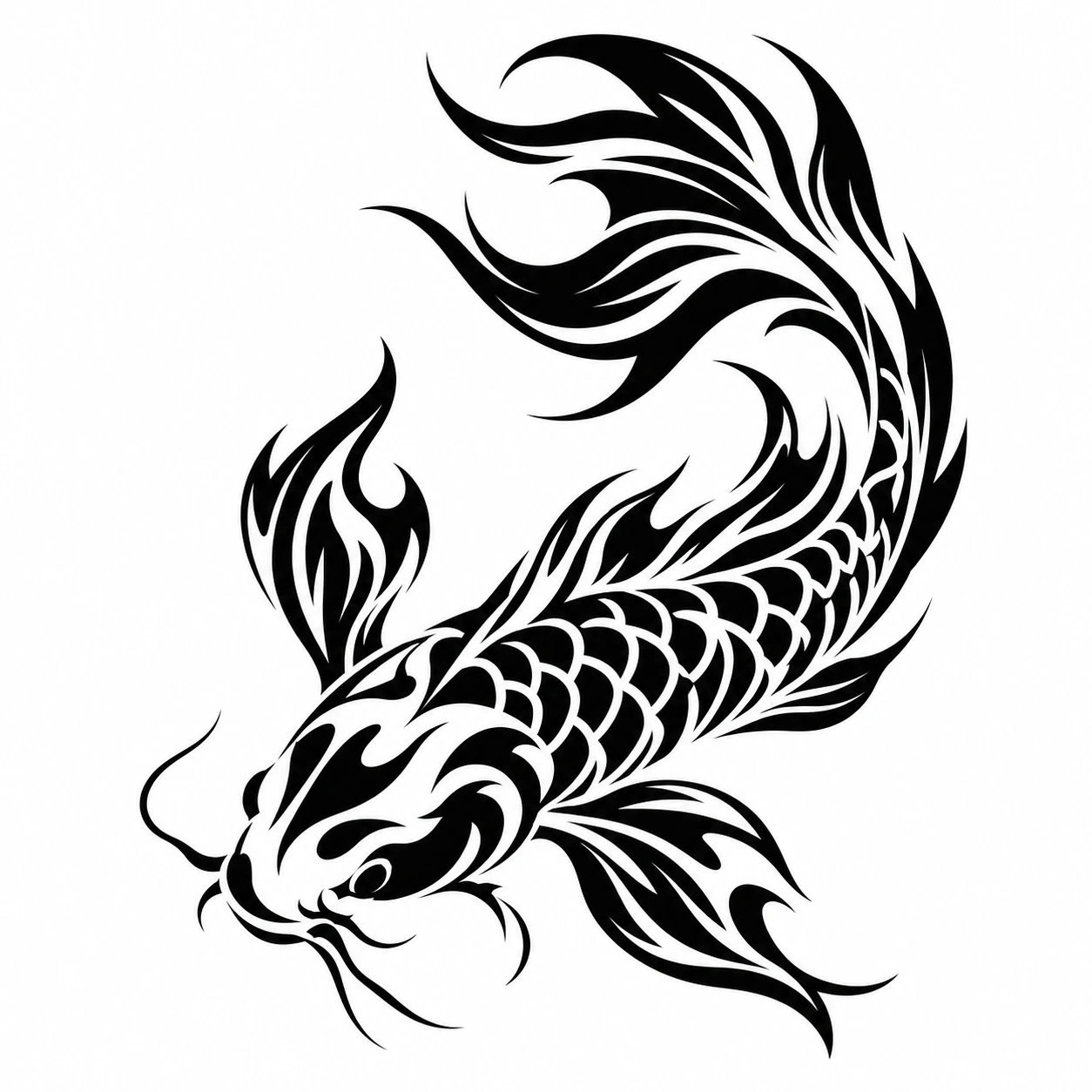
Koi with a downward current
Use the fin spread in the broad upper area and simplify the lower water shapes.
Make this direction yours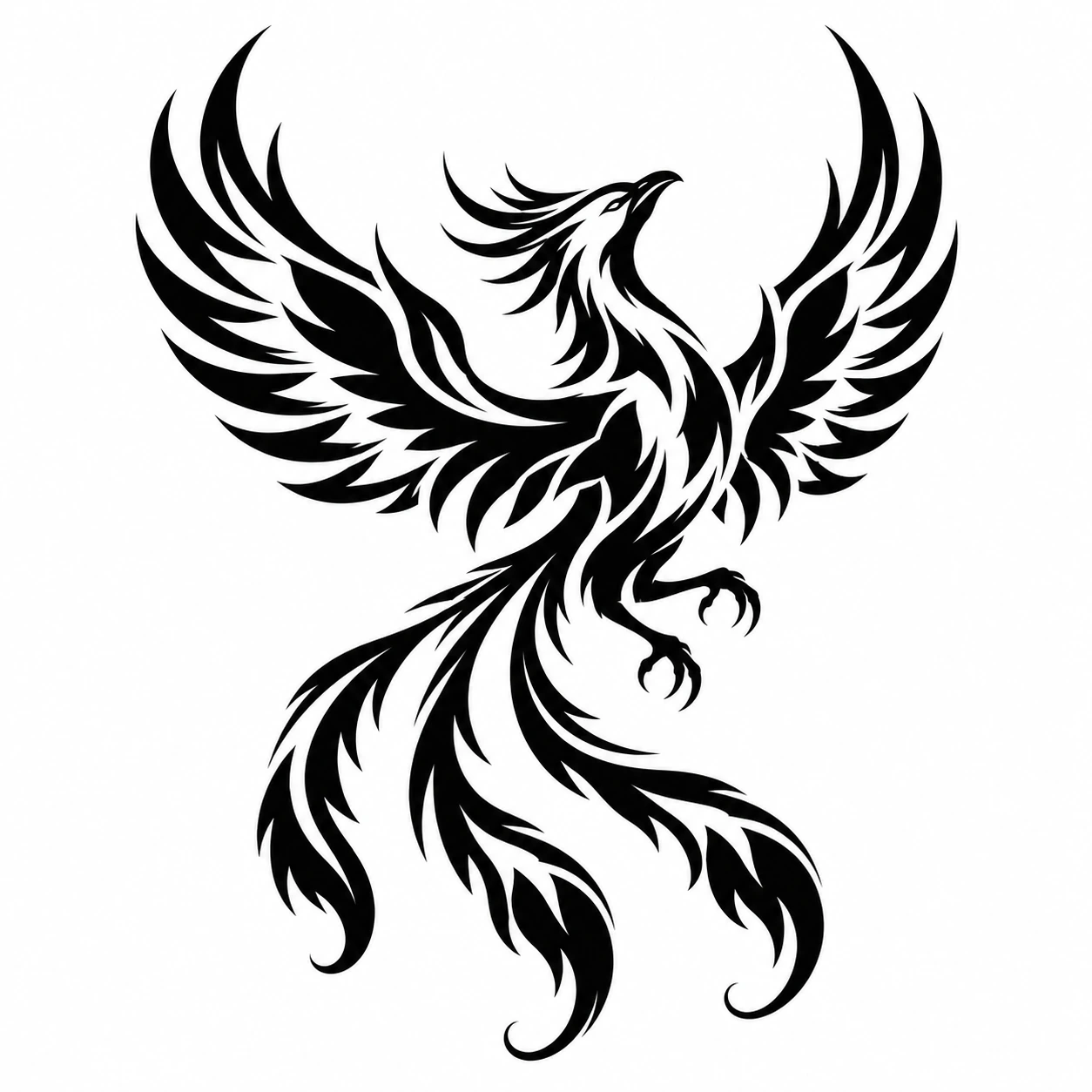
Phoenix with a long tail
Keep the body above the midpoint and use feathers to carry the vertical direction.
Make this direction yours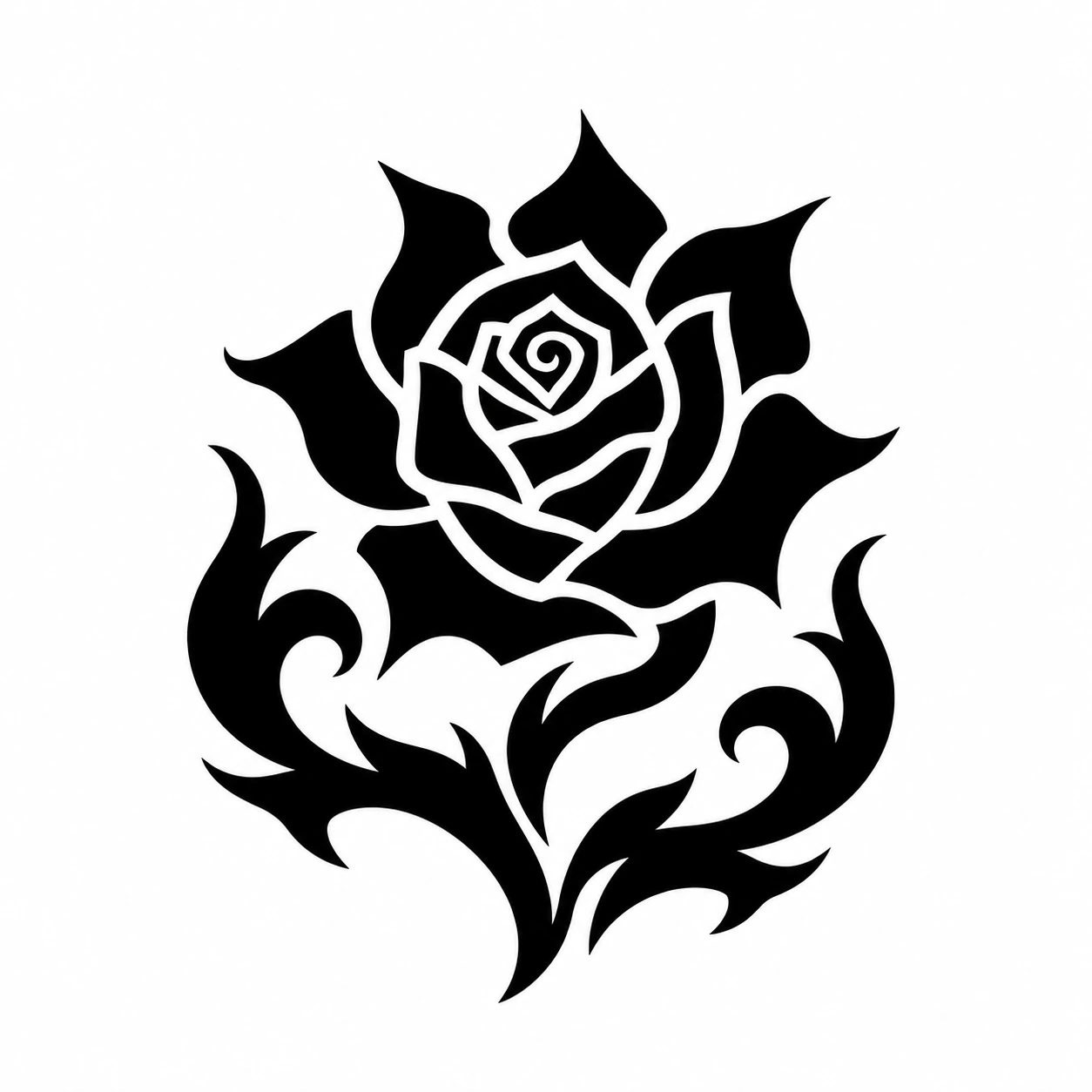
Rose with a descending stem
Set the flower in the wider area and leave the lower stem open.
Make this direction yours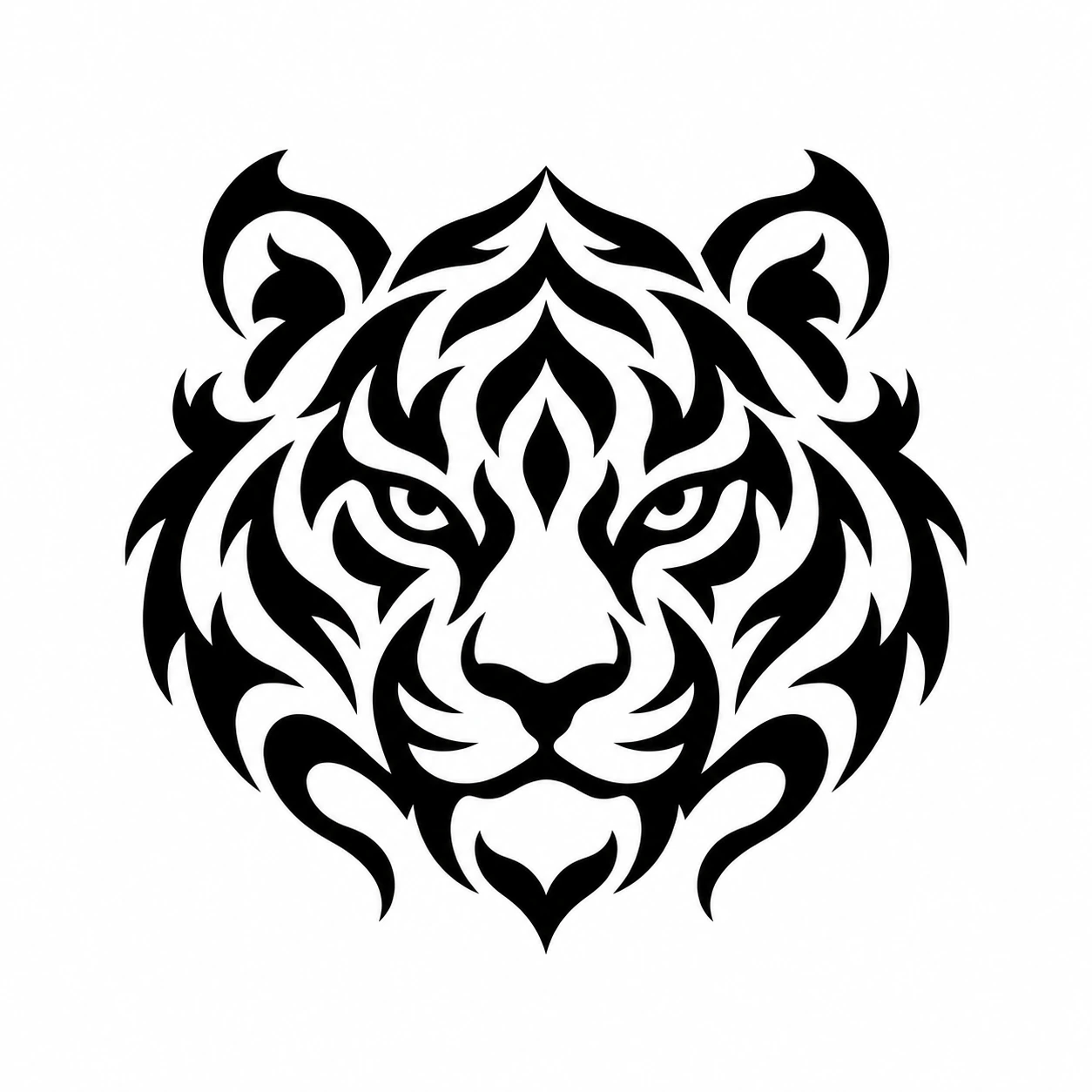
Tiger on the rear calf
Check the face from directly behind with both feet planted.
Make this direction yours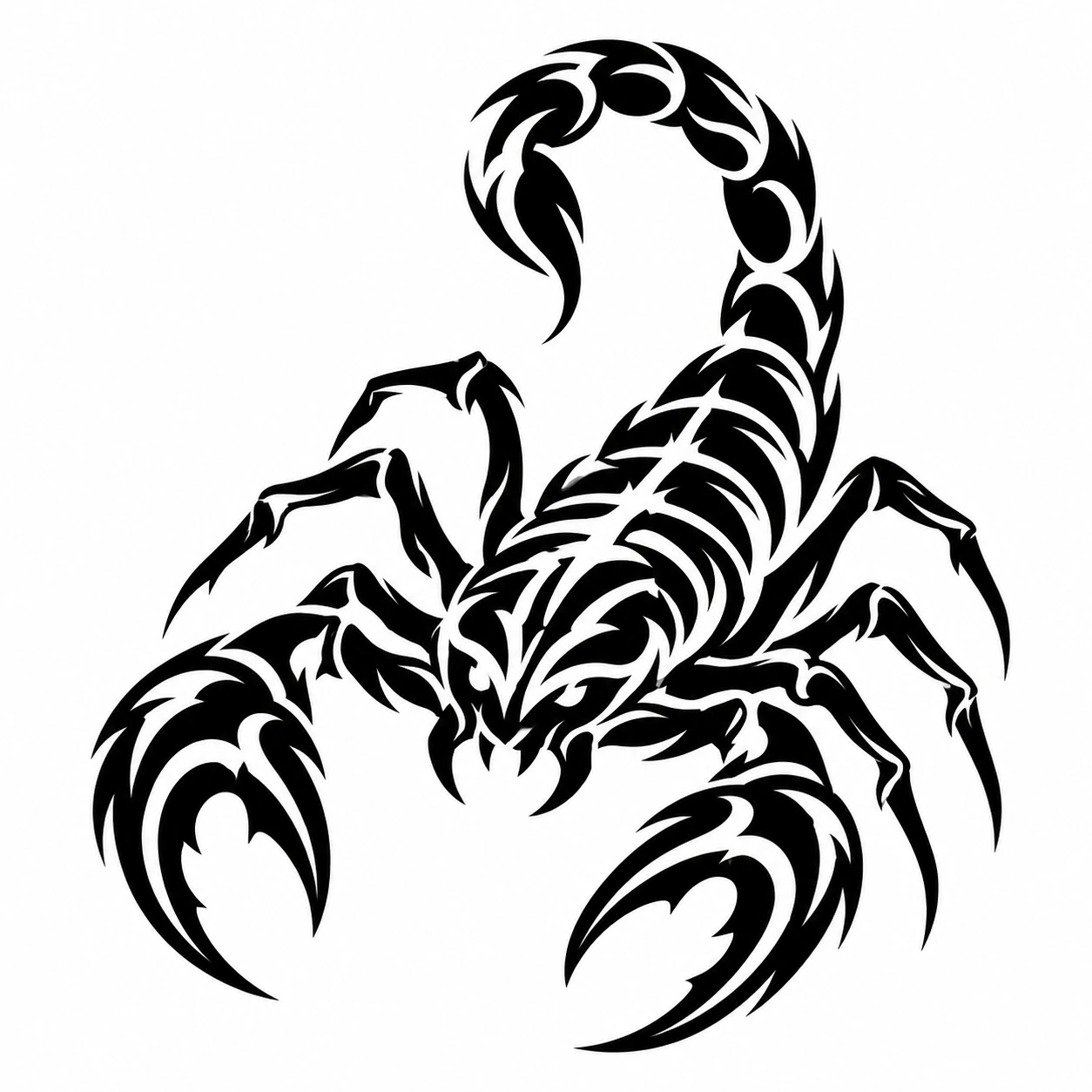
Scorpion inside a tall arc
Let the tail create height without filling the gap above the body.
Make this direction yours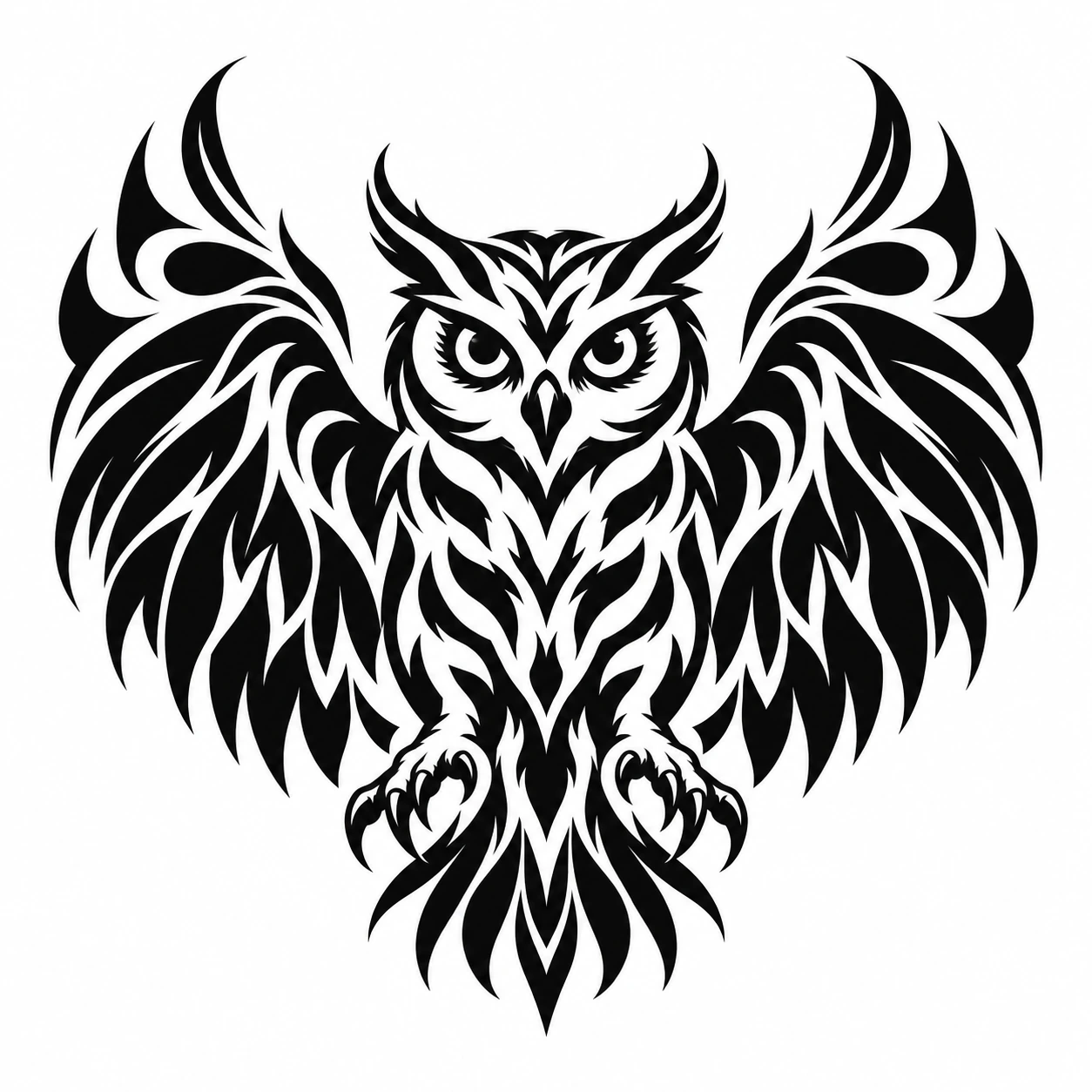
Owl with tapered feathers
Use the head width at the top and reduce feather repetition below it.
Make this direction yoursChoose the rear calf or outer side
The rear calf offers a broad upper area that narrows toward the ankle; the outer calf reads from a side angle. A snake can follow either surface, but a portrait needs a clear viewing plane. Mark the intended center while standing so the shape is based on your ordinary stance.
Use the taper from knee to ankle
A calf design does not need equal width from top to bottom. Put the broadest subject near the available upper area and let a tail or stem narrow below it. Avoid compressing a detailed head into the lower strip merely to make the composition longer.
Check the silhouette during a step
Look at the outline with both feet planted and during a gentle step. The calf changes shape as the leg moves, which makes a flowing contour useful to compare with a rigid frame. Keep essential details together and let secondary lines carry the movement rather than requiring perfect alignment in every pose.
Reserve a lower-leg connection
If ankle or shin work is planned, identify the edge that may connect later. A snake tail can point downward without closing the whole lower-leg space. Keep an existing ankle accent in the placement photo so the new composition does not end awkwardly just above it.
Brief with standing and side photographs
Bring a rear and side view, the upper and lower limits, and your preferred display angle. For example: outer-calf snake, two open curves, clear head high on the leg, taper toward the ankle, no full wrap. State whether shorts, socks or boots should frame or cover the finished layout.
Questions about calf tattoo designs
Where should I start with a calf tattoo?
The rear calf offers a broad upper area that narrows toward the ankle; the outer calf reads from a side angle. A snake can follow either surface, but a portrait needs a clear viewing plane. Mark the intended center while standing so the shape is based on your ordinary stance.
How should I check the calf placement?
A calf design does not need equal width from top to bottom. Put the broadest subject near the available upper area and let a tail or stem narrow below it. Avoid compressing a detailed head into the lower strip merely to make the composition longer.
Can this calf tattoo connect to a larger piece?
If ankle or shin work is planned, identify the edge that may connect later. A snake tail can point downward without closing the whole lower-leg space. Keep an existing ankle accent in the placement photo so the new composition does not end awkwardly just above it.
Are all eight designs shown as finished tattoos?
No. The hero is an AI placement visualization; the design cards are motif references. Your artist needs to adapt the outline, spacing and scale to the selected placement before creating a stencil.