 CREATE AI TATTOO
WRIST PLACEMENT GUIDE
Wrist tattoo designs
Explore eight wrist design directions, from a clear standalone motif to a composition with room to grow. Choose the viewing surface and coverage before adding detail.
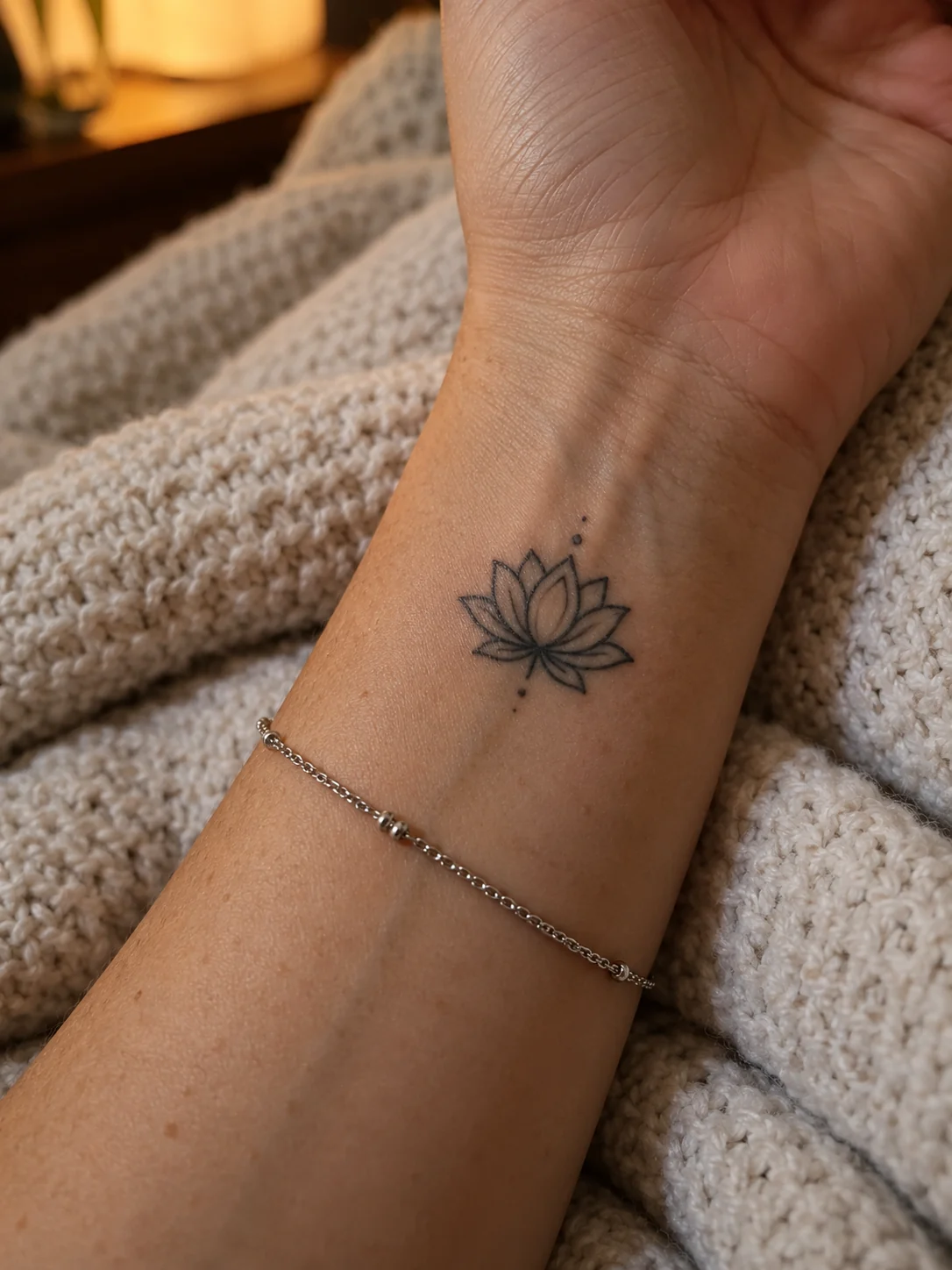
The body visualization shows one placement example. The eight flash references below are existing motif studies to adapt with your artist, not eight finished tattoos on this body part.
START WITH A SHAPE
8 wrist tattoo designs to make your own
Eight motif studies to adapt to your chosen placement. The flash images show motifs to adapt, not finished tattoos, healed results or automatic placement previews.
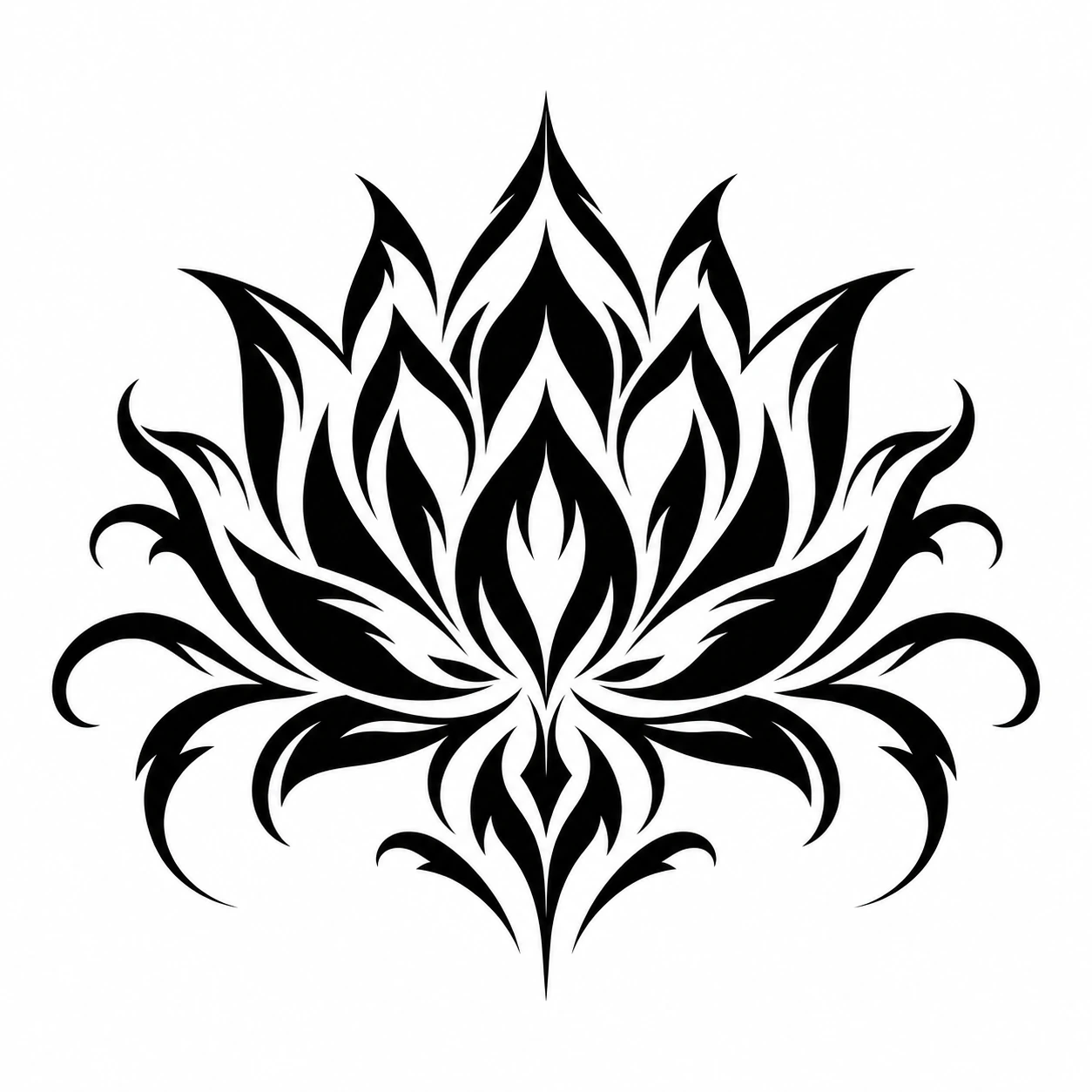
Lotus with five open petals
Reduce the petal count and preserve a readable central opening.
Make this direction yours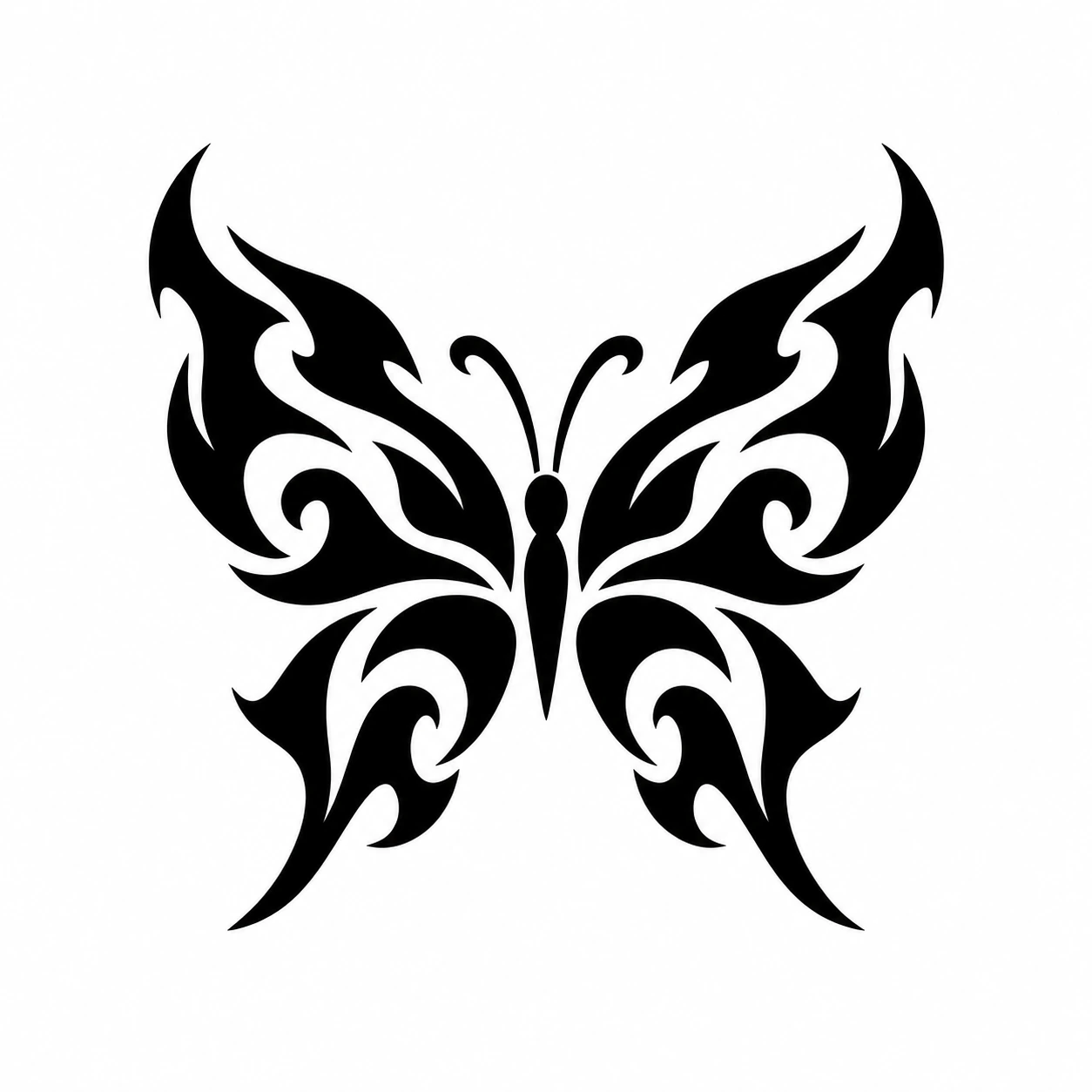
Butterfly above the wrist crease
Keep both wings on the same surface and remove small interior cuts.
Make this direction yours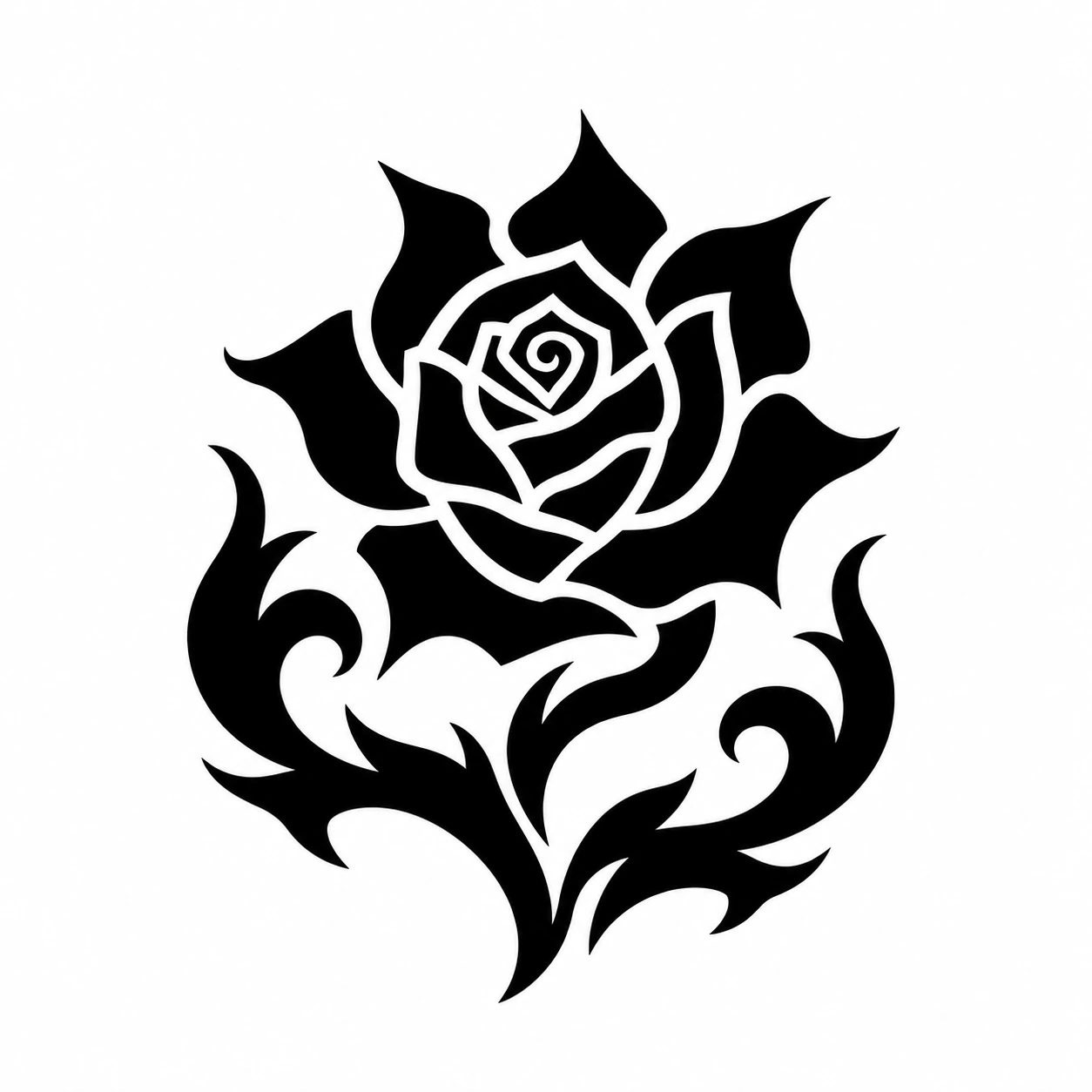
Single rose without a long stem
Choose a simple flower outline instead of compressing the entire botanical reference.
Make this direction yours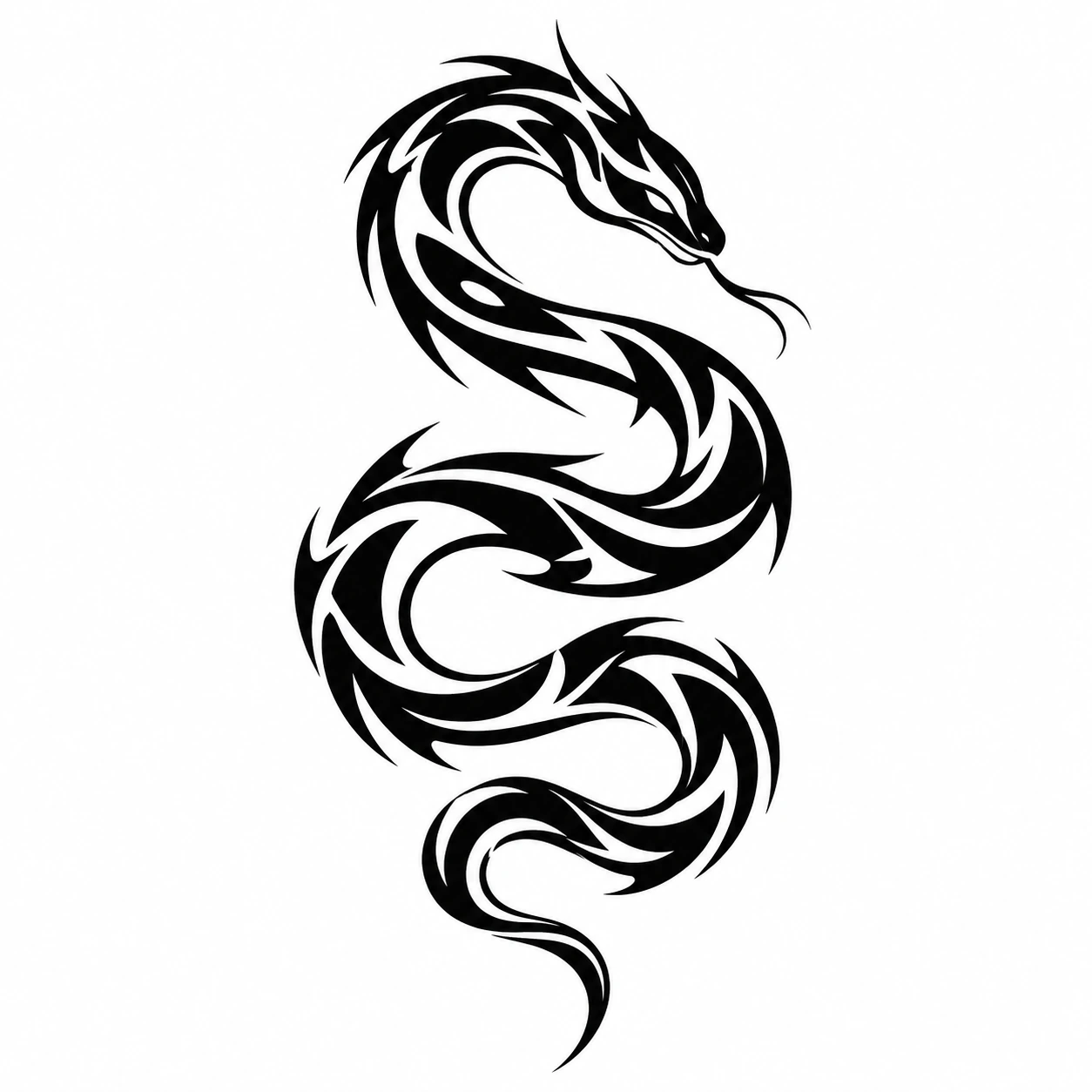
Small snake on the side wrist
Use one relaxed bend and keep the head on the visible side.
Make this direction yours
Moon moth as a simplified emblem
Retain the outer wing shape while removing crowded internal marks.
Make this direction yours
Compact owl silhouette
Prioritize the eyes and head outline over repeated feather texture.
Make this direction yours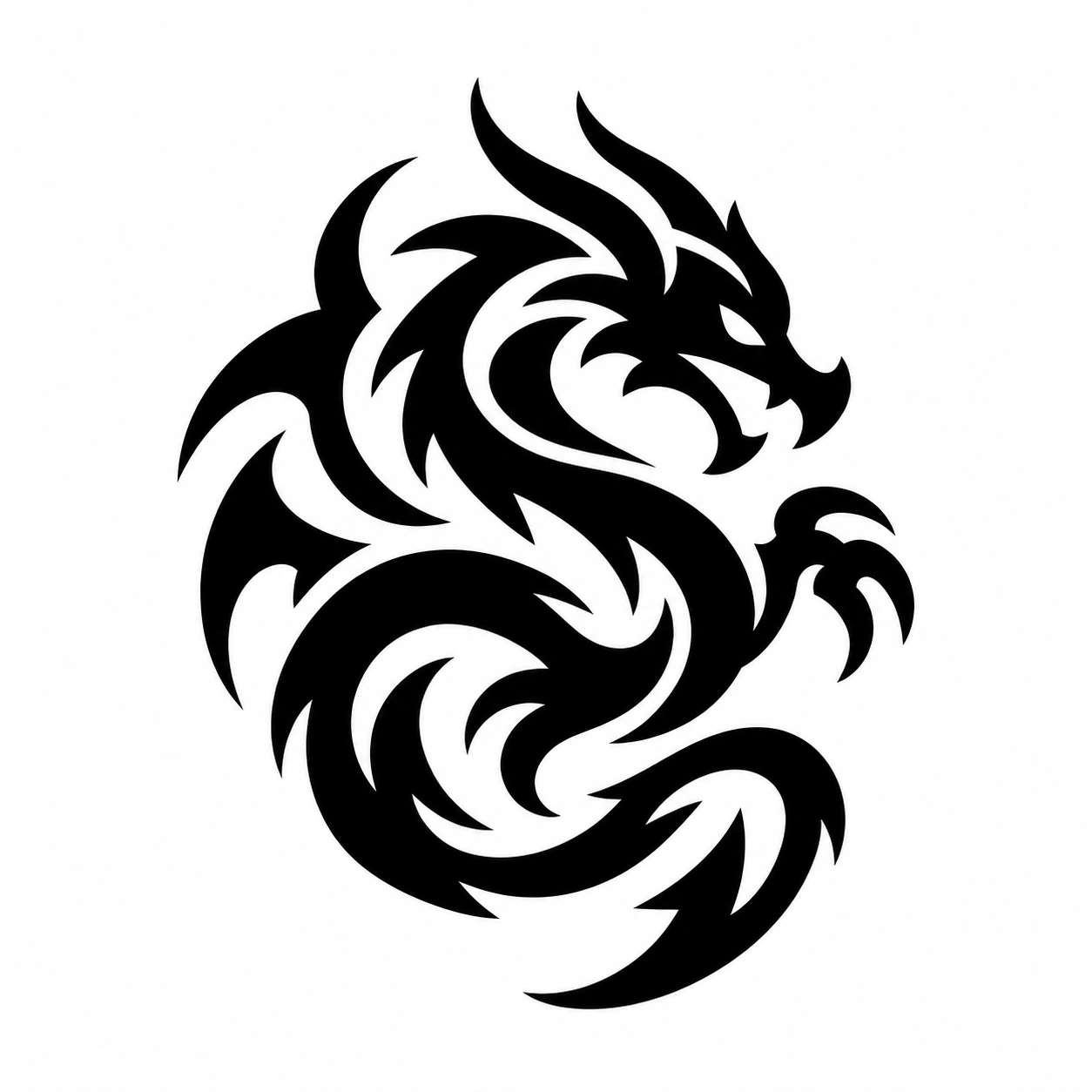
Dragon reduced to one curve
Ask for a new small-scale drawing with a clear head, not a shrunken detailed dragon.
Make this direction yours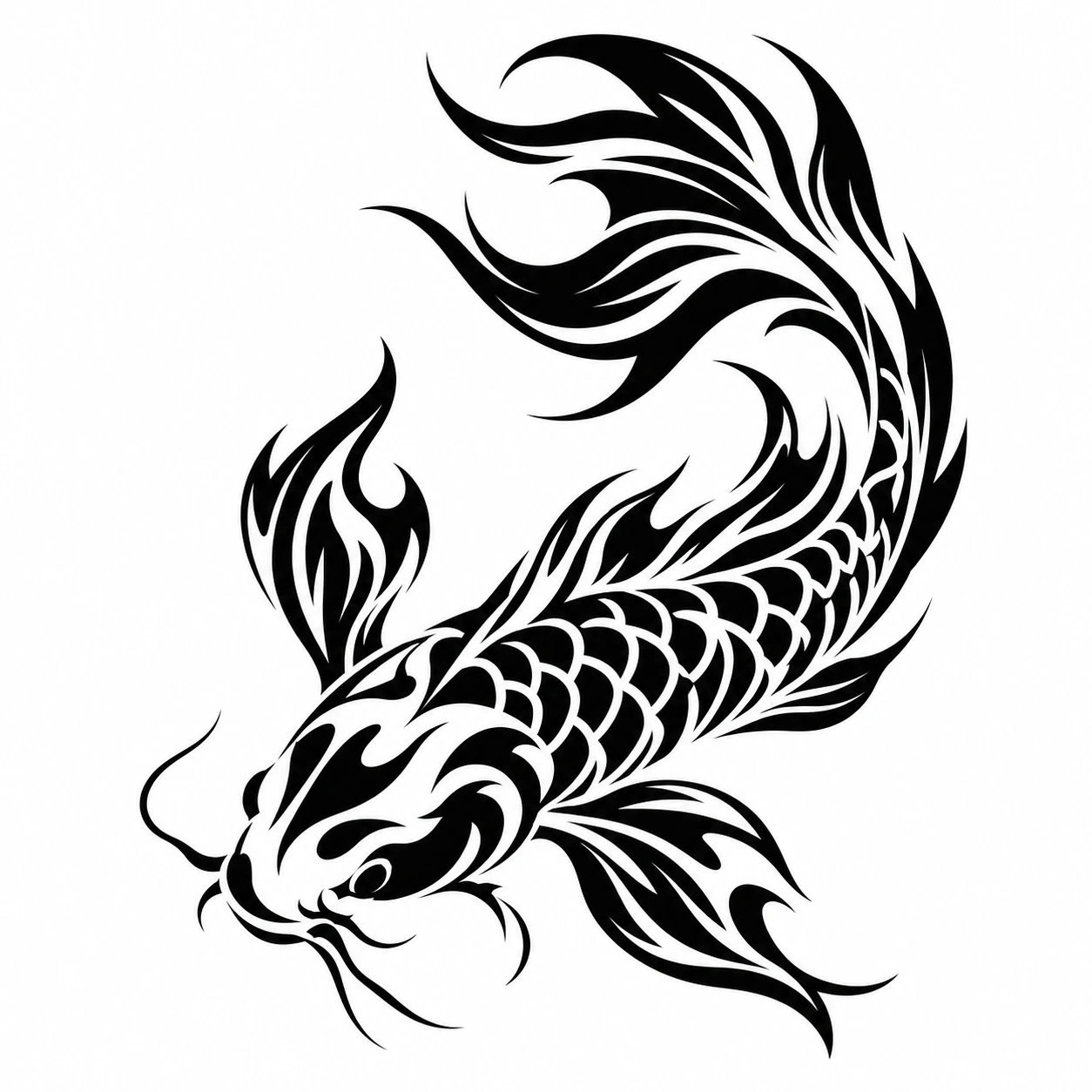
Koi with a short tail
Use the body arc and a few fin shapes; omit dense scales.
Make this direction yoursChoose inner, outer or side wrist
The inner wrist, outer wrist and narrow side should not share the same composition by default. Lay a paper outline on each surface and turn your hand. A compact lotus needs a clear frontal view; a small curved stem can use the side where a symmetrical emblem would disappear around the edge.
Decide who sees the design upright
A wrist symbol can face you when you lift your hand or read upright to someone looking at your relaxed arm. Test both orientations before choosing. For a moon or animal with a distinct top, take a photograph with the hand down as well as palm up so the decision is deliberate.
Keep the crease and watch boundary visible
Bend your wrist and mark where the paper outline folds. Also compare it with a watch or bracelet in its usual position. These boundaries help you choose whether the design sits above an accessory or is partly hidden; avoid making a narrow gap the only place where the main motif can fit.
Simplify before connecting to a sleeve
The wrist is the narrow end of an arm composition. A detailed emblem copied from a large reference may crowd that endpoint. Keep one recognizable shape and discuss how a future forearm piece could approach it, leaving a clean interval rather than squeezing filler into every remaining strip.
Write a brief around one readable symbol
Bring the chosen wrist surface, orientation, approximate width and a photo with your normal accessories. Try: inner-wrist lotus, upright to an observer with my arm down, five clear petals, no tiny internal pattern. Ask the artist to determine the final scale and spacing instead of insisting on a miniature replica.
Questions about wrist tattoo designs
Where should I start with a wrist tattoo?
The inner wrist, outer wrist and narrow side should not share the same composition by default. Lay a paper outline on each surface and turn your hand. A compact lotus needs a clear frontal view; a small curved stem can use the side where a symmetrical emblem would disappear around the edge.
How should I check the wrist placement?
A wrist symbol can face you when you lift your hand or read upright to someone looking at your relaxed arm. Test both orientations before choosing. For a moon or animal with a distinct top, take a photograph with the hand down as well as palm up so the decision is deliberate.
Can this wrist tattoo connect to a larger piece?
The wrist is the narrow end of an arm composition. A detailed emblem copied from a large reference may crowd that endpoint. Keep one recognizable shape and discuss how a future forearm piece could approach it, leaving a clean interval rather than squeezing filler into every remaining strip.
Are all eight designs shown as finished tattoos?
No. The hero is an AI placement visualization; the design cards are motif references. Your artist needs to adapt the outline, spacing and scale to the selected placement before creating a stencil.