 CREATE AI TATTOO
SHOULDER PLACEMENT GUIDE
Shoulder tattoo designs
Explore eight shoulder design directions, from a clear standalone motif to a composition with room to grow. Choose the viewing surface and coverage before adding detail.
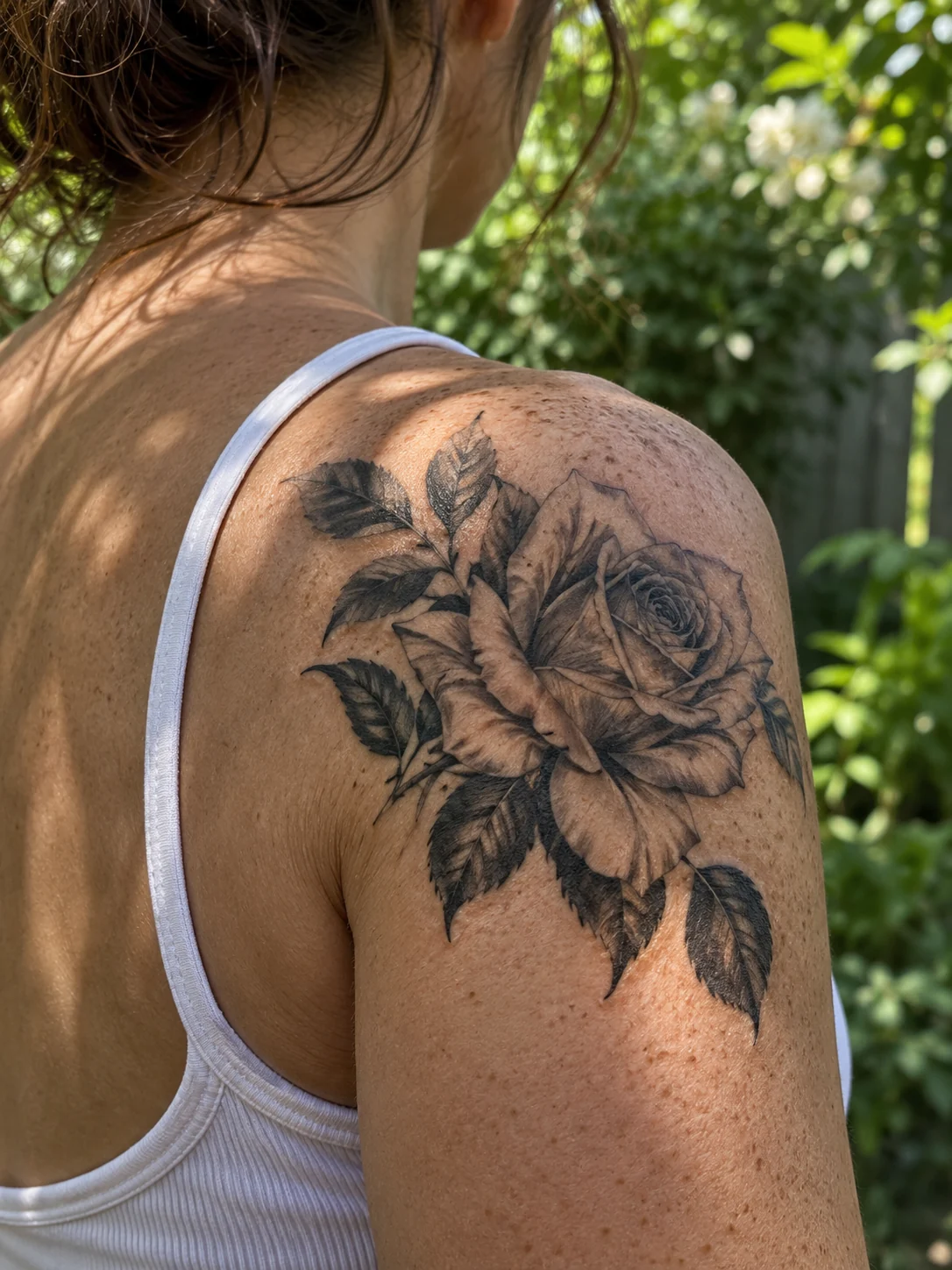
The body visualization shows one placement example. The eight flash references below are existing motif studies to adapt with your artist, not eight finished tattoos on this body part.
START WITH A SHAPE
8 shoulder tattoo designs to make your own
Eight motif studies to adapt to your chosen placement. The flash images show motifs to adapt, not finished tattoos, healed results or automatic placement previews.

Rose centered on the cap
Let the petals radiate around the dome while the center stays visible from the side.
Make this direction yours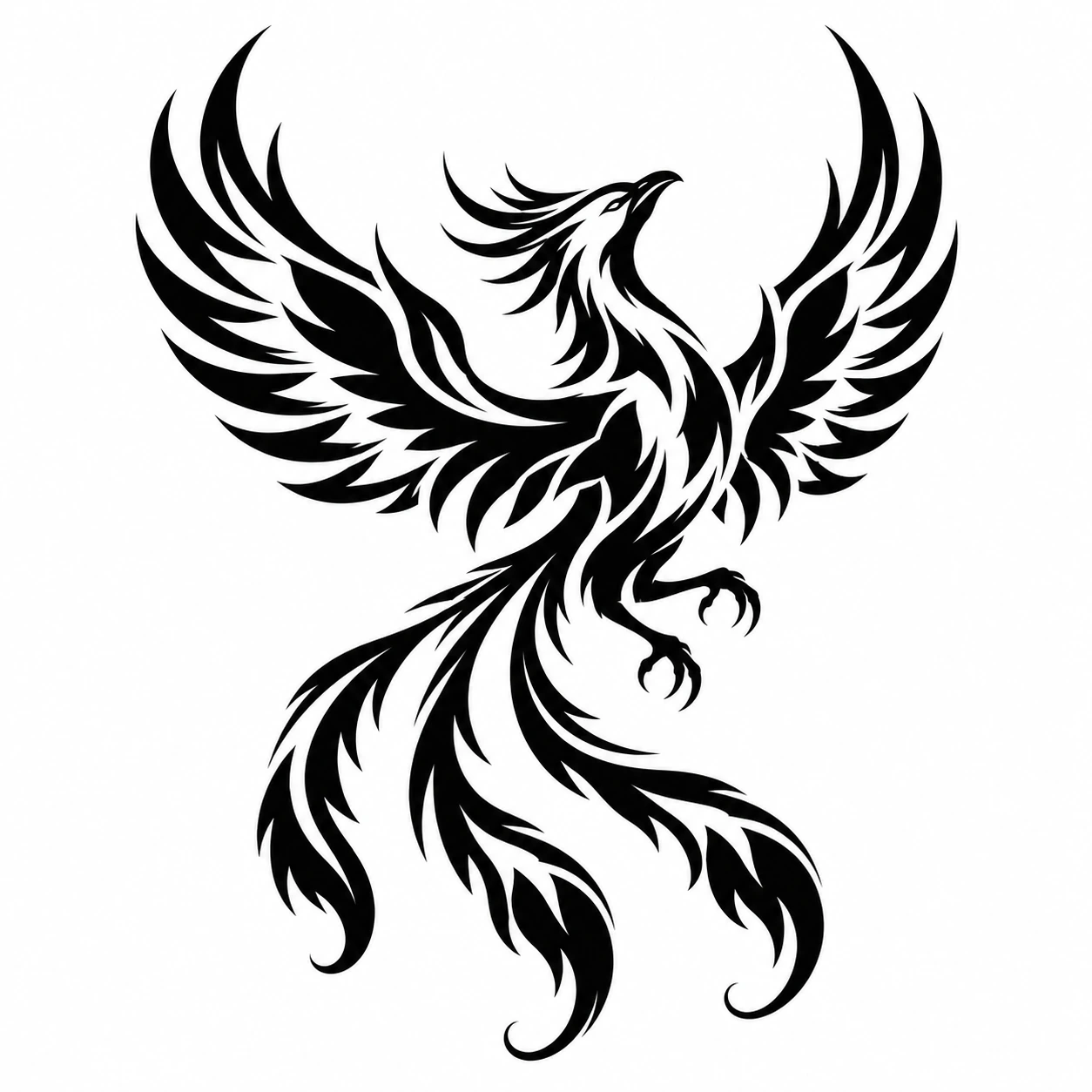
Phoenix crest over the rear shoulder
Shorten the tail so the feathers lead toward the back without becoming a full-back layout.
Make this direction yours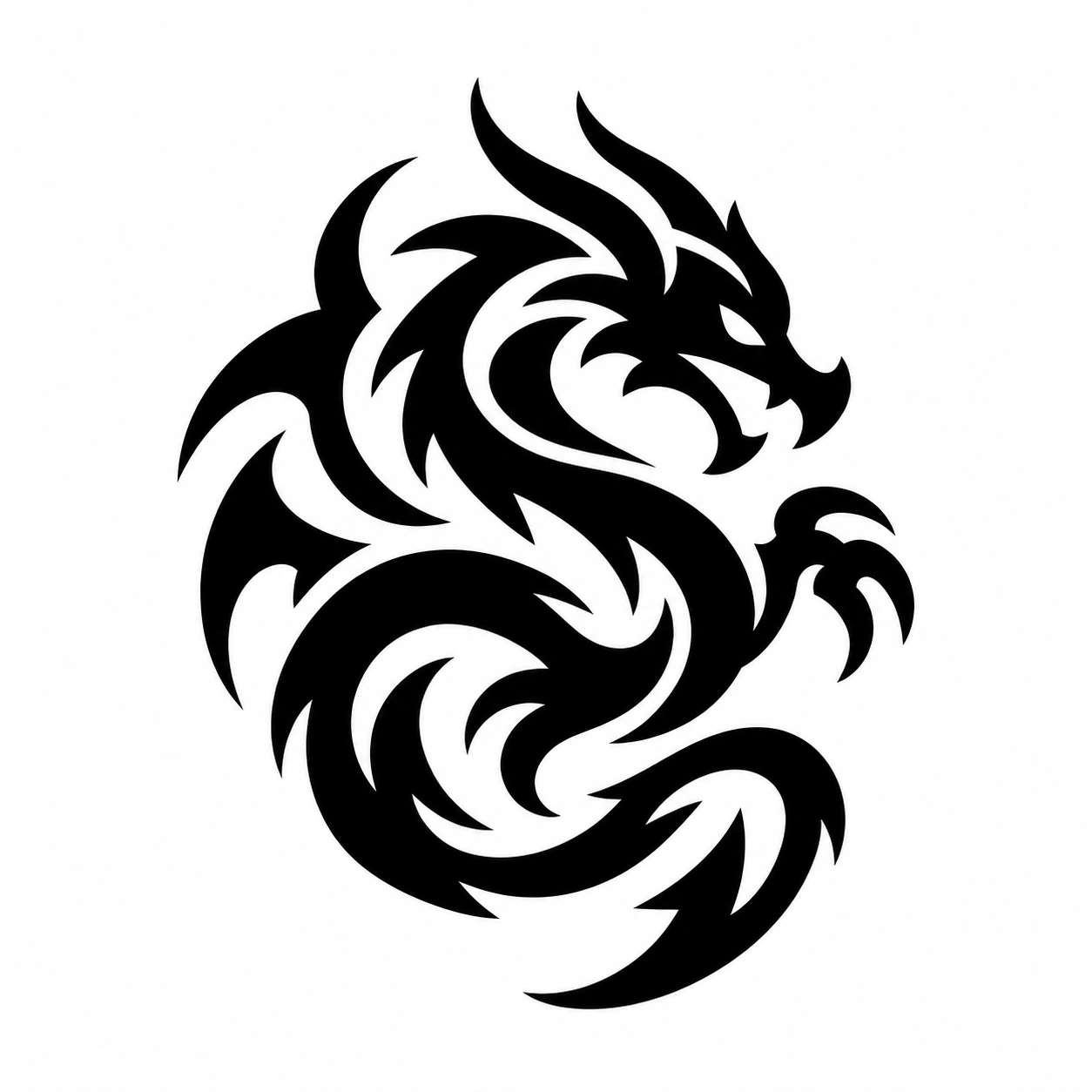
Dragon turning toward the upper arm
Place the head on the chosen display side and carry the tail down the arm.
Make this direction yours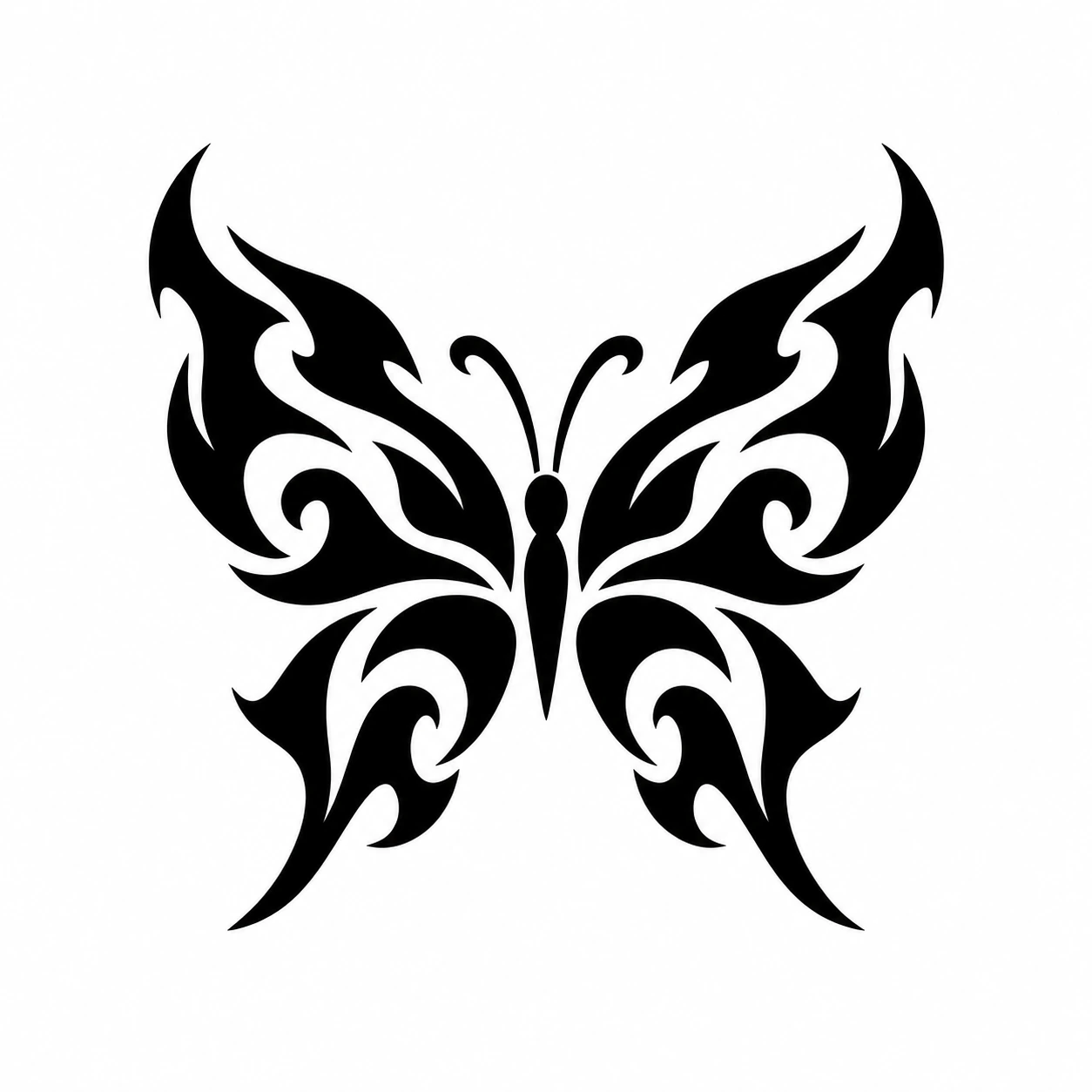
Butterfly at the rear shoulder
Keep the wing pair together on the blade instead of splitting it over the cap.
Make this direction yours
Tiger facing the side view
Center the face on the outer cap and simplify fur at the wrap.
Make this direction yours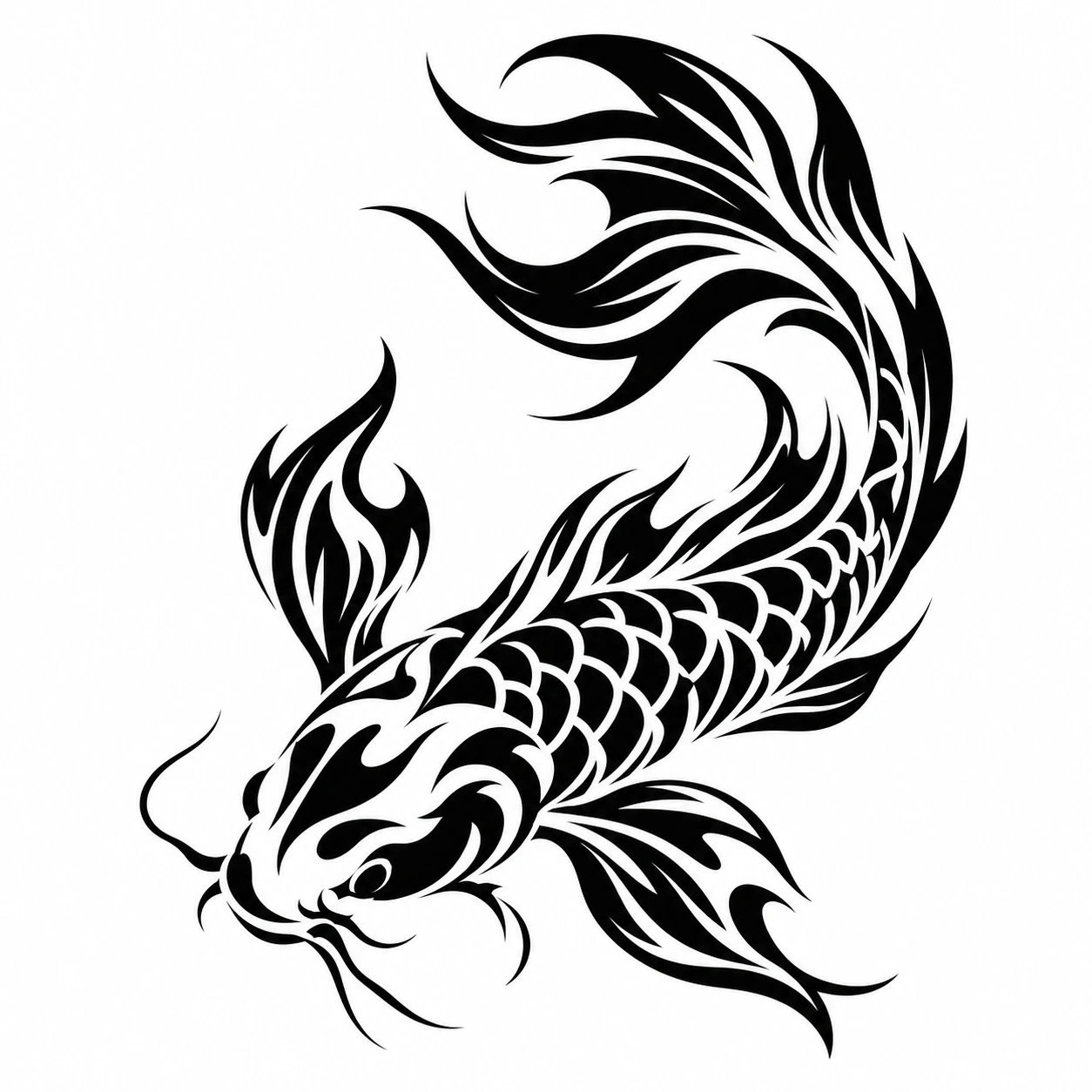
Koi curving around the deltoid
Let one arc follow the shoulder curve with the head visible in a relaxed stance.
Make this direction yours
Lotus with an open lower edge
Use the lower petals to suggest a sleeve transition without enclosing the whole cap.
Make this direction yours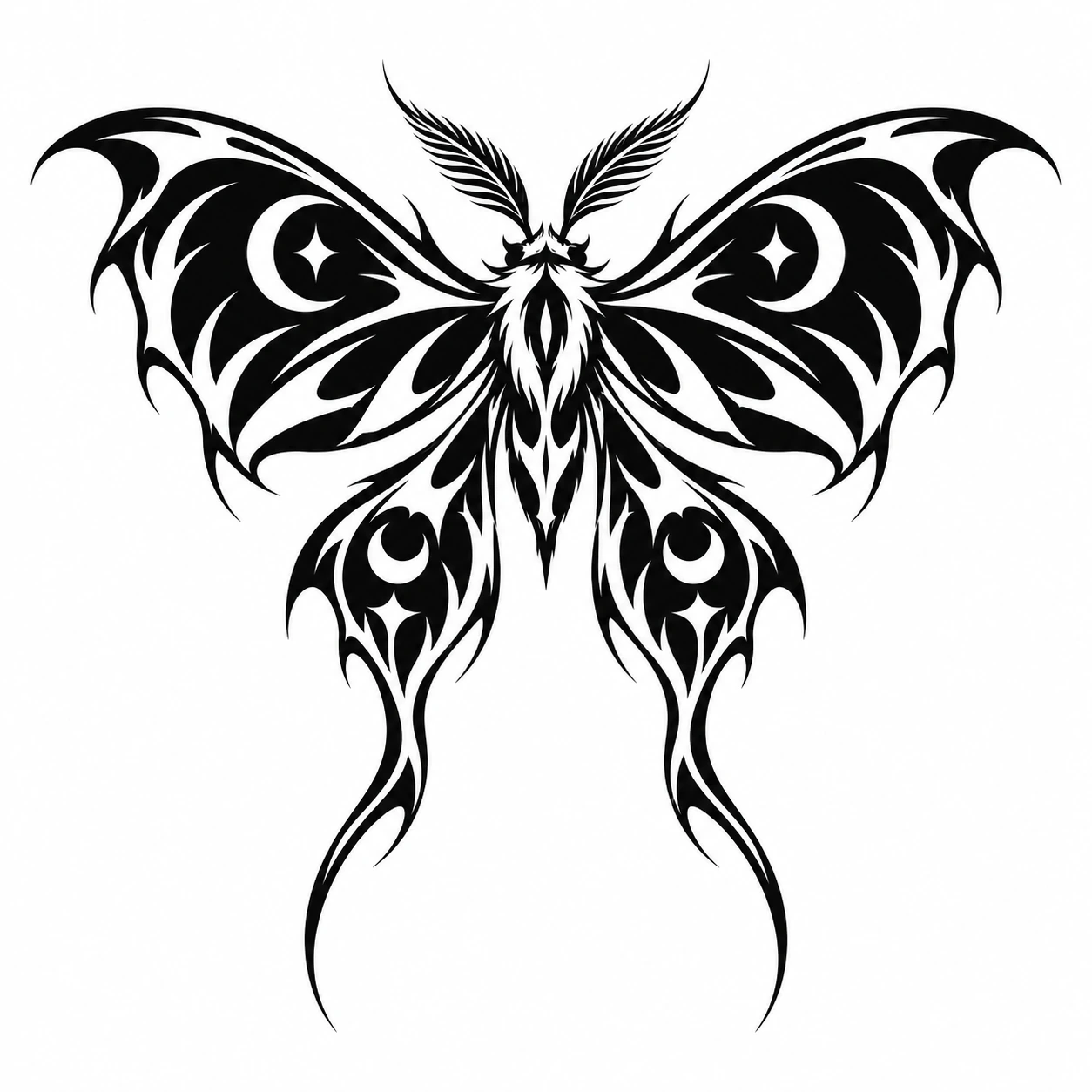
Moon moth below the neckline
Check that both wing tips stay within the intended visible area.
Make this direction yoursSeparate the shoulder cap from the shoulder blade
The rounded outer cap and the flatter rear shoulder blade offer different canvases. A rose can center on the cap and let leaves turn out of sight; an animal face needs a chosen main viewing angle. Point to the exact surface in your brief instead of using shoulder as a catch-all label.
Let the outline turn around the cap
A flat circular reference may look narrow from the front once placed over the shoulder. Check front, side and rear views with the arm down. Place the key detail on the view you care about most, then let secondary petals or feathers travel around the curve.
Check the neckline and sleeve edge
Try a placement outline with the tops you regularly wear. A short sleeve can cut through the center of a rose or leave only a leaf visible. Set the upper boundary relative to your neckline and the lower boundary relative to your sleeve, without assuming clothing will frame it the same way every day.
Choose where a future sleeve starts
A shoulder piece can serve as the top of a sleeve, but a heavy closed border creates a different transition than open leaves. Discuss whether the next composition should travel down the outer arm or across the upper back. Reserve one intentional connection instead of extending decoration in every direction.
Brief the artist with three viewing angles
Bring front, side and rear placement photos plus the motif reference. For example: one blackwork rose centered on the outer cap, open petals, two leaves toward the upper arm, no hard circular border. Specify which view should show the flower center and whether the rear shoulder must stay clear.
Questions about shoulder tattoo designs
Where should I start with a shoulder tattoo?
The rounded outer cap and the flatter rear shoulder blade offer different canvases. A rose can center on the cap and let leaves turn out of sight; an animal face needs a chosen main viewing angle. Point to the exact surface in your brief instead of using shoulder as a catch-all label.
How should I check the shoulder placement?
A flat circular reference may look narrow from the front once placed over the shoulder. Check front, side and rear views with the arm down. Place the key detail on the view you care about most, then let secondary petals or feathers travel around the curve.
Can this shoulder tattoo connect to a larger piece?
A shoulder piece can serve as the top of a sleeve, but a heavy closed border creates a different transition than open leaves. Discuss whether the next composition should travel down the outer arm or across the upper back. Reserve one intentional connection instead of extending decoration in every direction.
Are all eight designs shown as finished tattoos?
No. The hero is an AI placement visualization; the design cards are motif references. Your artist needs to adapt the outline, spacing and scale to the selected placement before creating a stencil.