 CREATE AI TATTOO
FOREARM PLACEMENT GUIDE
Forearm tattoo ideas
Explore twelve forearm tattoo ideas, compare inner and outer placement, and find a shape that works with the way your arm moves.
Start with the matching dragon artwork and AI on-arm preview, or browse eleven motif studies. Choose a direction below, customize it in the generator, then ask your tattoo artist to adapt the design to your proportions.
START WITH A SHAPE
12 forearm tattoo ideas to make your own
One on-arm visualization and eleven original flash studies. The flash images show motifs to adapt, not finished tattoos, healed results or automatic placement previews.
This artwork loads automatically. Remix uses 80 credits when you generate.
Dragon following the arm
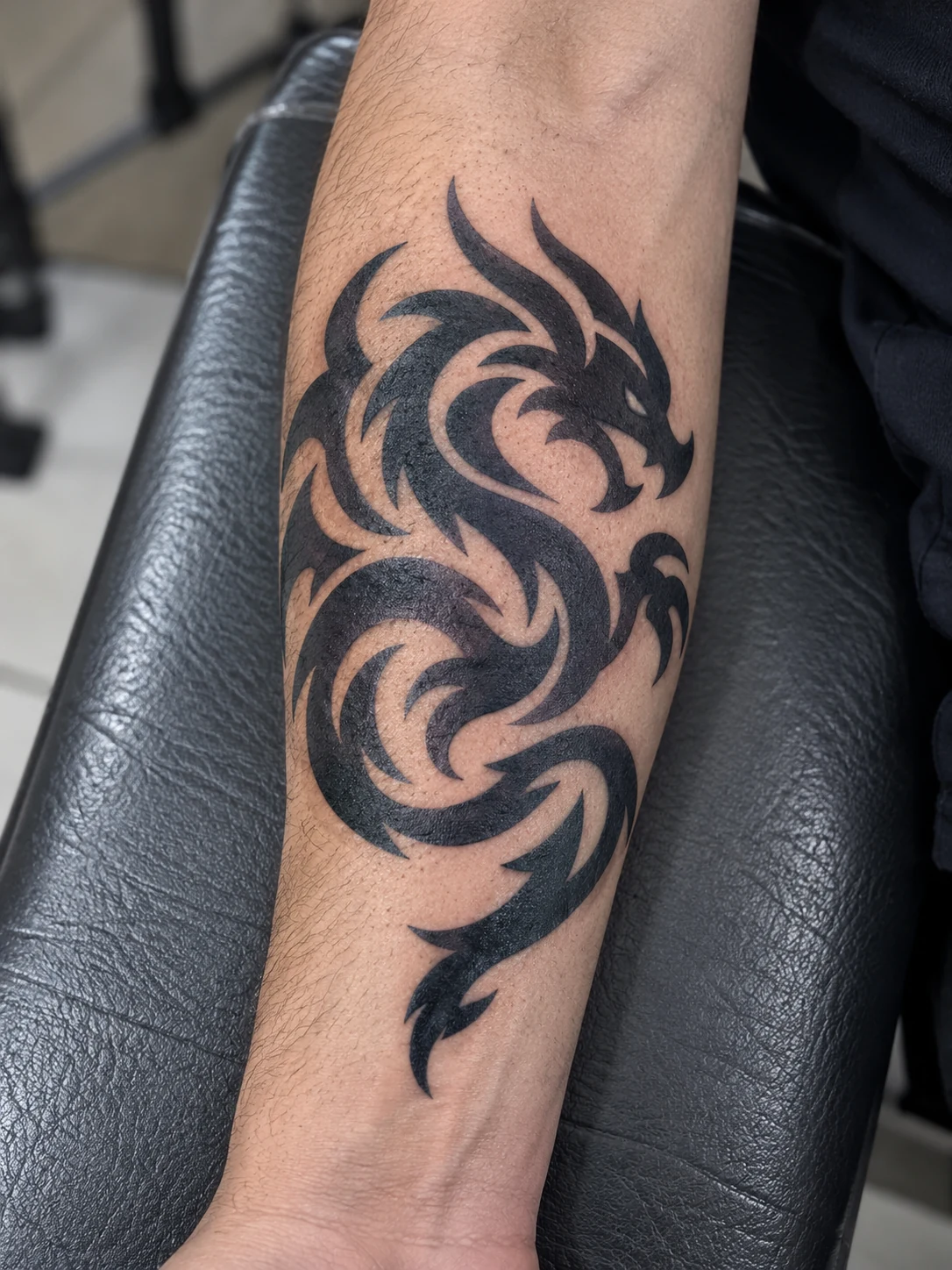
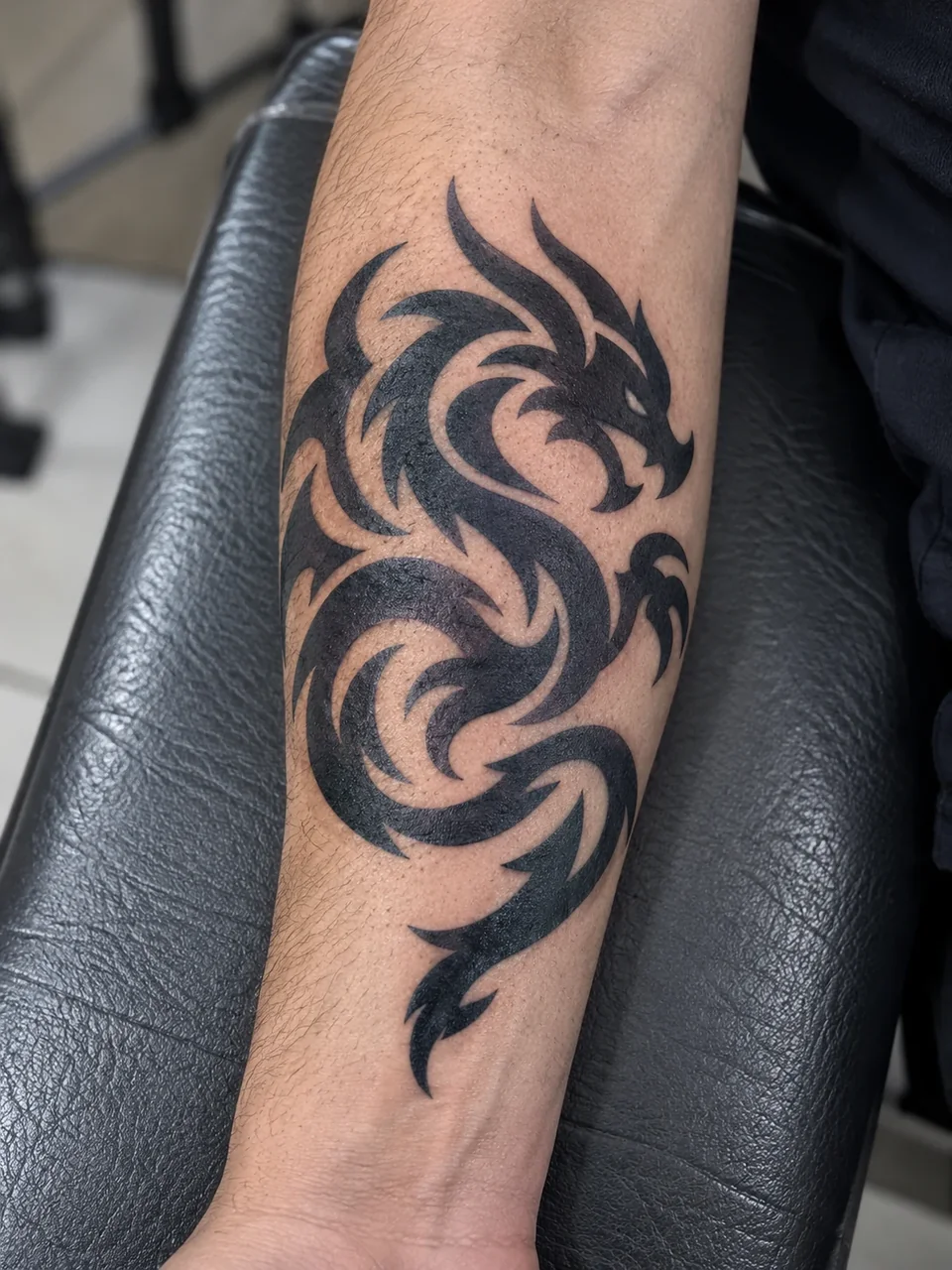
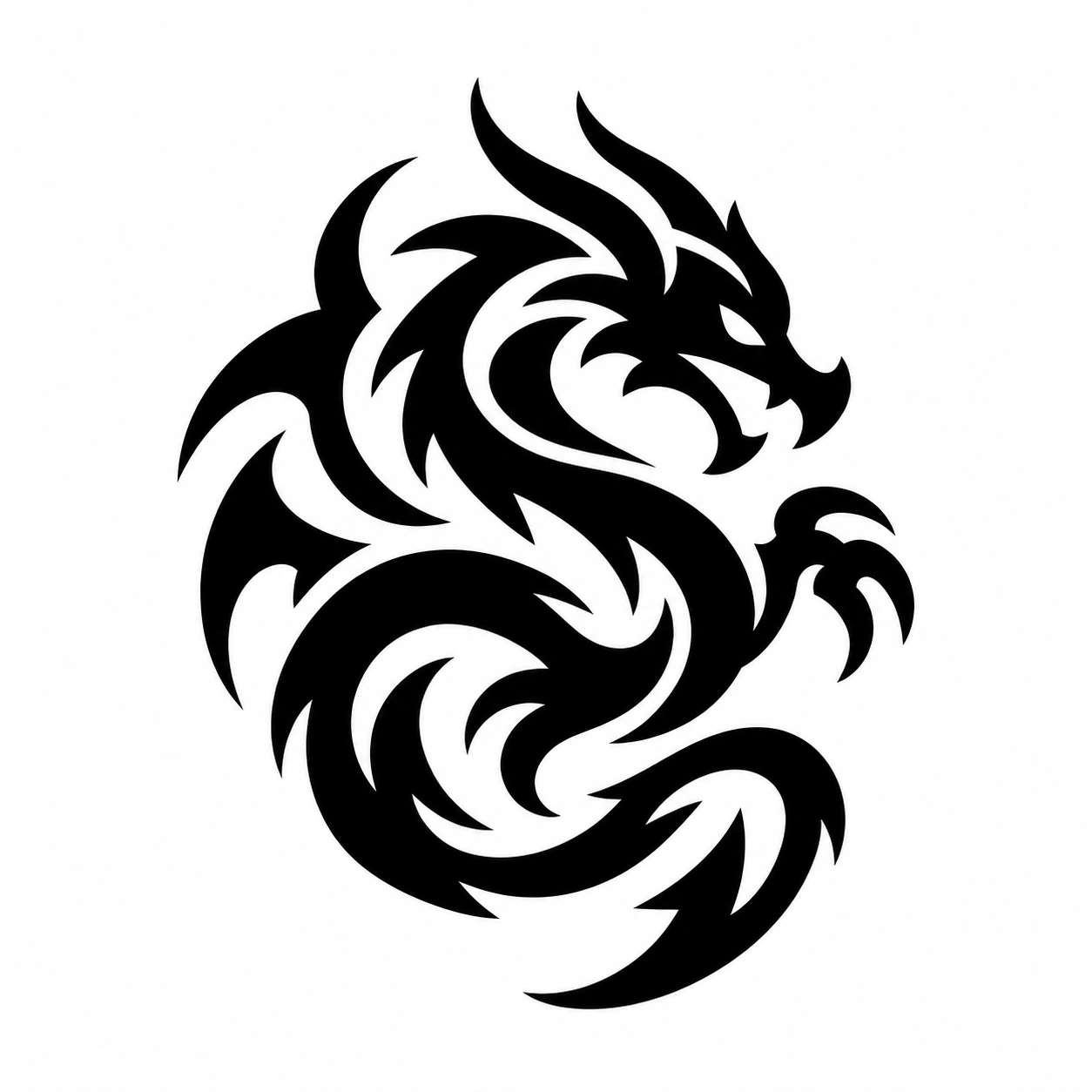
Compare the same dragon in the clean artwork and AI skin visualization. The head, curved body, claw and tail correspond. Open this preset to load the artwork automatically as your Remix reference; the skin image is an illustration, not a photograph of a real client.
Use this reference in Remix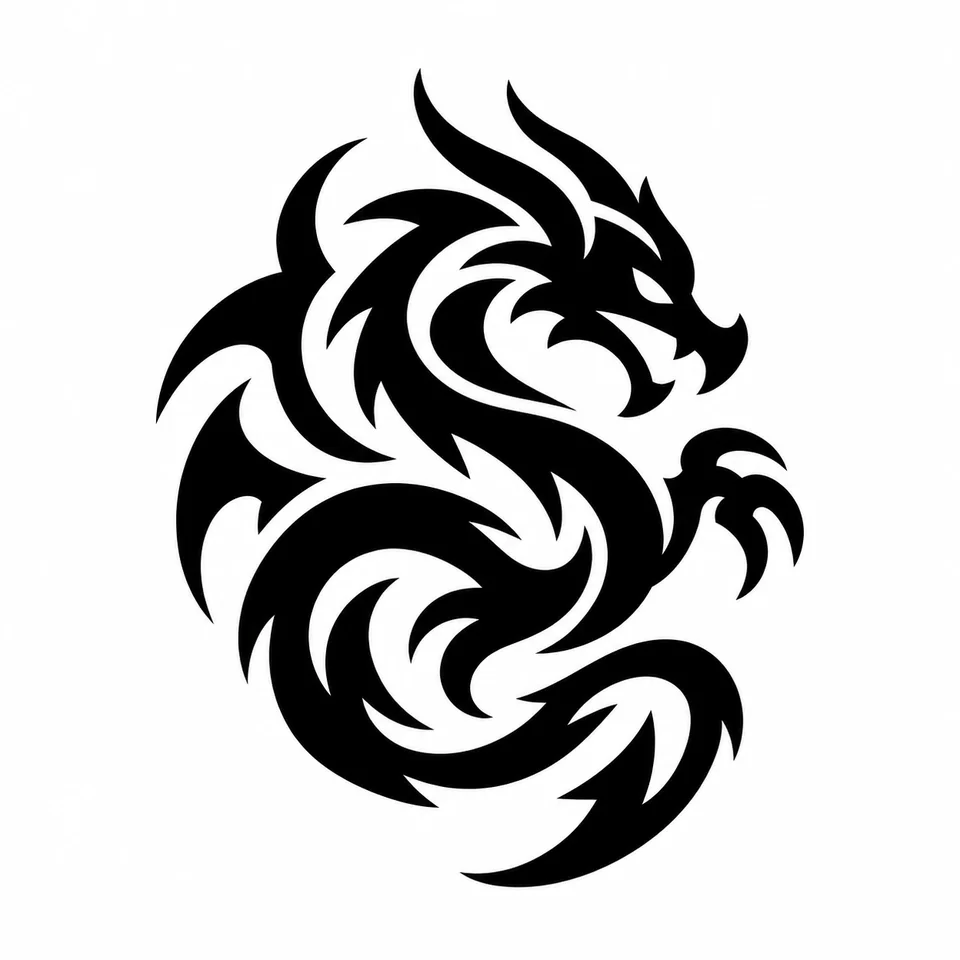
Dragon ribbon study
A motif study for an inner or outer forearm: its S curve offers direction without a rigid frame. Simplify small claws before stretching the silhouette.
Make this direction yours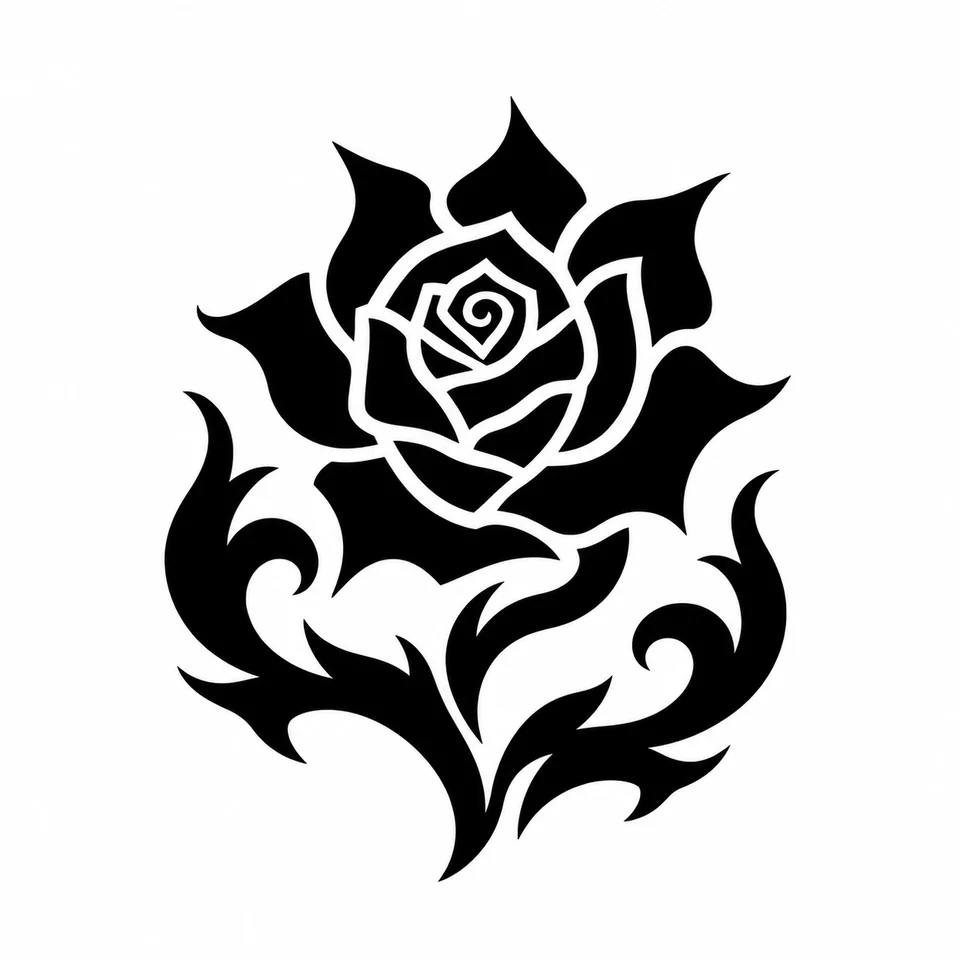
Rose with a compact center
This rose motif can anchor the broader outer forearm or sit centrally inside it. Reduce overlapping petals and let the leaves establish a longer outline.
Make this direction yours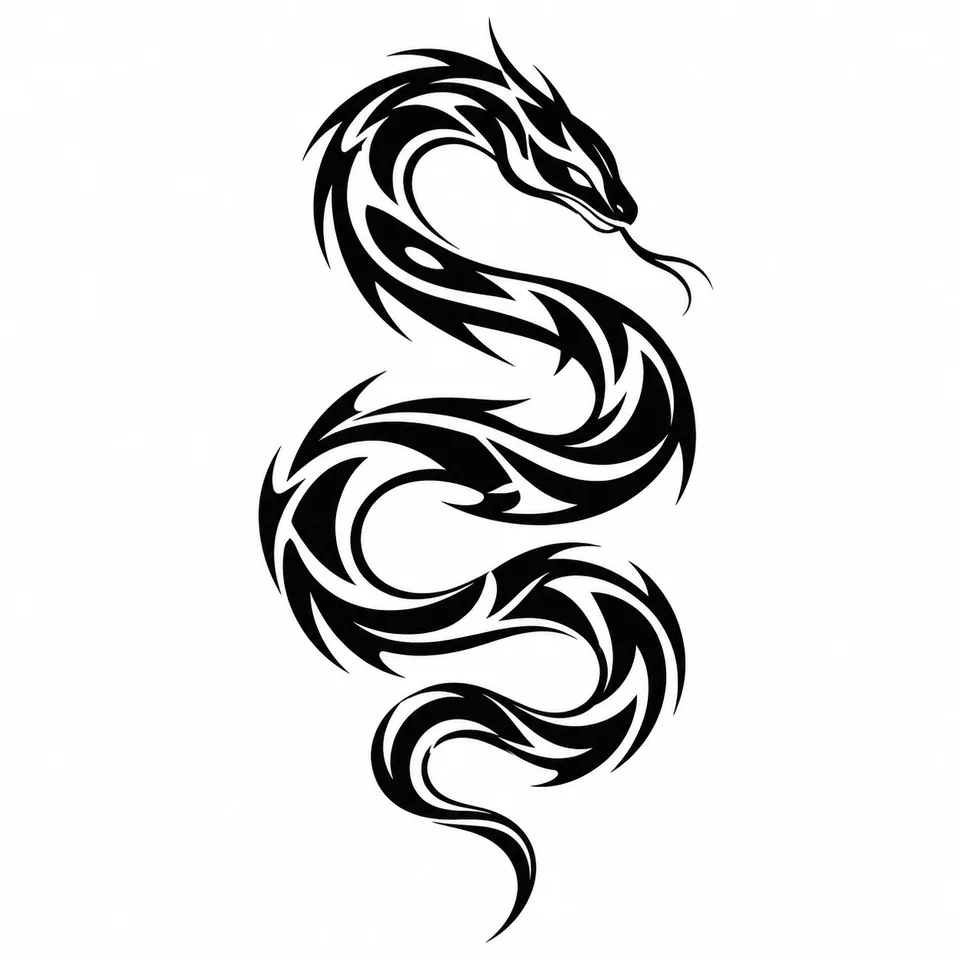
Serpent with breathing room
The snake study suggests a lengthwise inner-forearm composition. Keep the head readable and simplify repeated turns; a full wrap needs a separate placement drawing.
Make this direction yours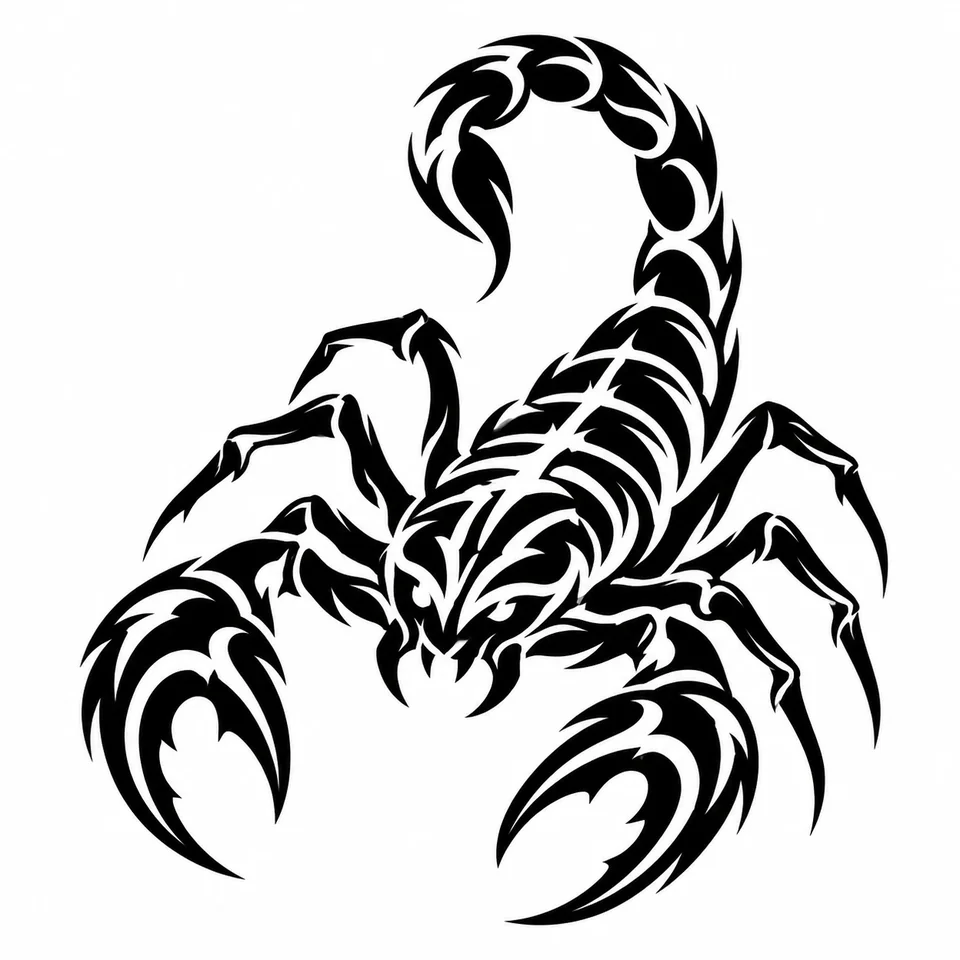
Scorpion in an open arc
This compact motif suits a defined outer-forearm patch. An artist can reduce leg repetition and widen the gap between tail and body for an inner placement.
Make this direction yours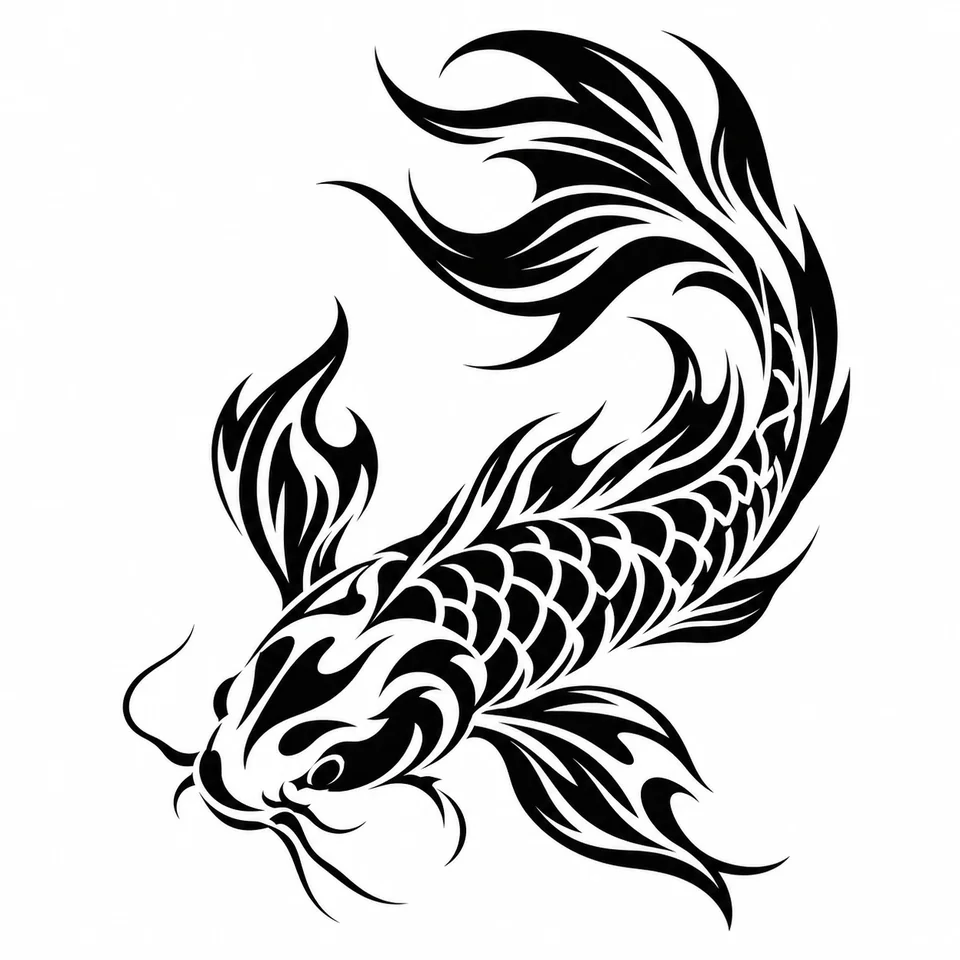
Koi with a directional tail
Flowing fins give this motif an inner-forearm route toward the elbow. Simplify scales and separate fin edges; test the broader body on the outer forearm too.
Make this direction yours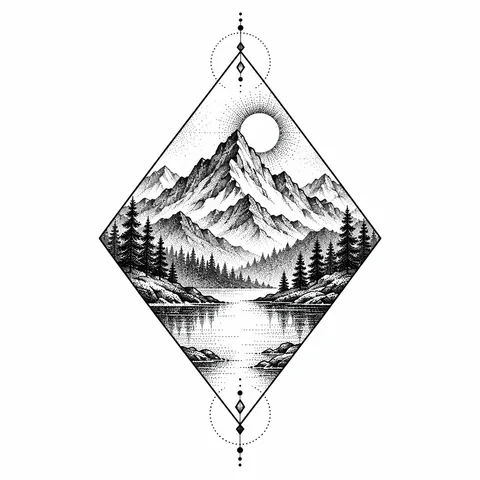
Mountain inside a diamond
The diamond study provides a clear inner-forearm axis. An artist should reduce landscape texture and check that the frame reads straight when your arm rests naturally.
Make this direction yours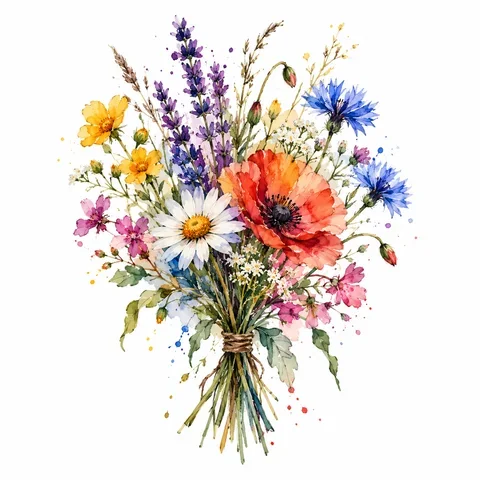
Wildflowers along the forearm
This bouquet study can become a narrow inner-forearm arrangement. Select fewer flowers and simplify crossing stems; keep a clear outline beneath the color washes.
Make this direction yours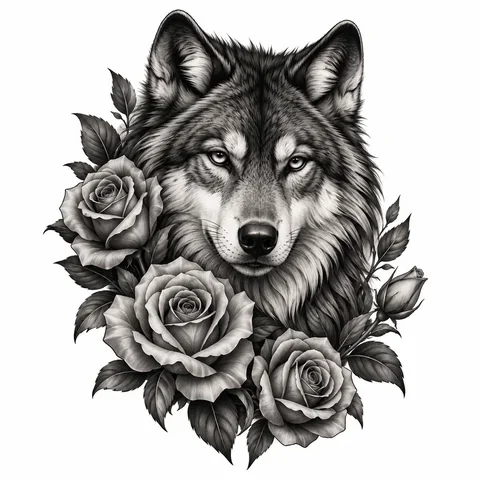
Wolf portrait with roses
A portrait study needs enough outer-forearm width for the face. Reduce peripheral roses and fur texture before considering a smaller inner-forearm version.
Make this direction yours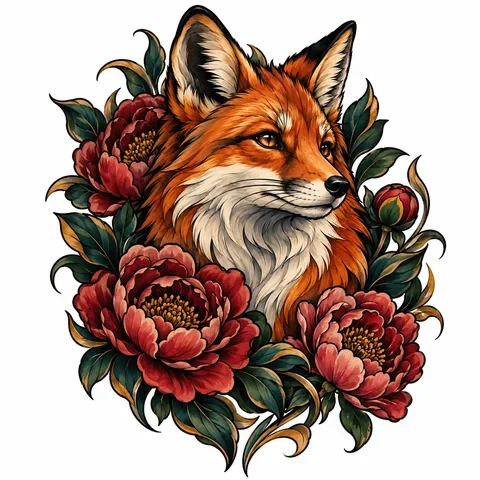
Fox with a floral frame
This fox study offers an outer-forearm focal point. Simplify the peony layers and taper the lower frame so the composition can follow the narrowing arm.
Make this direction yours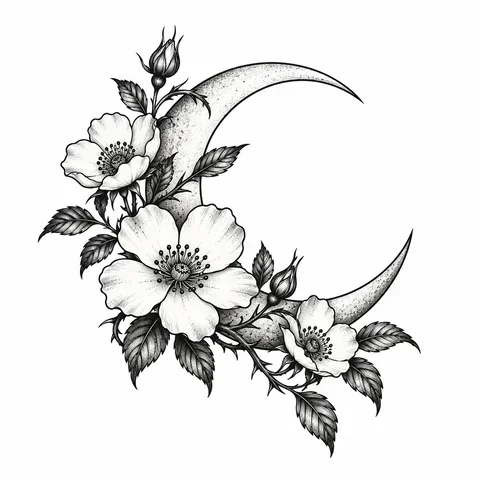
Crescent and climbing roses
The crescent study could sit on either forearm surface with roses extending lengthwise. Simplify petal interiors and preserve the empty moon opening as its focal shape.
Make this direction yours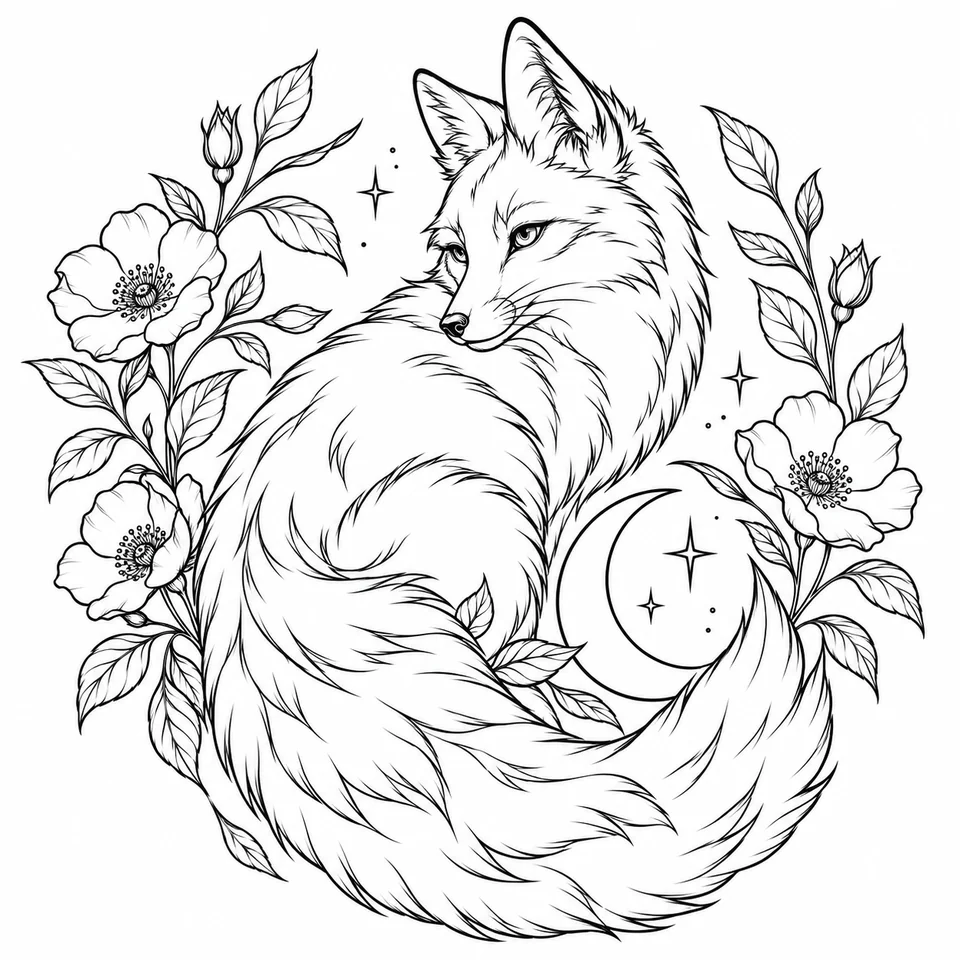
Curled fox and open branches
This fine-line motif study can become an intimate inner-forearm piece. Choose the fox as the main subject, then remove competing small leaves and floral details.
Make this direction yoursInner or outer forearm: choose a viewing surface
Turn your palm up, then let the arm hang beside you. The inner surface offers a relatively direct view when you choose to reveal it, while the outer surface is often visible with your arm relaxed. Neither is a perfectly flat canvas. Notice where a paper sketch disappears around either edge.
A narrow stem, snake or elongated diamond can establish a central line inside the forearm. A rose or animal portrait may need the broader visual field outside it. Treat those as composition options, not rules: your arm shape and the artist’s placement test decide the fit.
Check orientation in more than one pose
Decide what “upright” means before adding lettering or a recognizable face. A design facing you with your palm raised will read differently to a person across the table. Ask to see the stencil with the arm relaxed, palm up and gently rotated.
Lengthwise designs can follow the elbow-to-wrist direction without touching either end. Curved motifs allow the focal point to remain on one surface while a leaf or tail approaches the side. Keep essential features together unless a wrapping composition is an intentional part of the brief.
Compare styles through the same subject
Compare a graphic rose with a softly shaded rose before comparing unrelated subjects. Tribal and Blackwork emphasize silhouette and open channels. Black and grey uses tonal separation to describe volume. Minimalist work depends on selective contours, while Dotwork can frame a landscape with texture and geometry.
Color changes the hierarchy too. A Watercolor bouquet may need a clear underlying structure; a Neo Traditional fox can use a strong outline and a limited floral frame. Bring examples of the visual qualities you want, then look at the artist’s own relevant work.
Let scale and empty space work together
Do not simply shrink a detailed reference until it fits. Choose the one feature that must remain recognizable: the wolf’s eyes, the crescent opening or the snake’s head. Secondary petals, scales and background texture can be reduced around it.
Negative space gives adjacent forms separate edges and gives the whole piece a deliberate ending. Print the concept near the size you are considering and view it from conversational distance. Ask your artist what should be enlarged, removed or opened rather than prescribing technical line measurements.
Leave a useful starting point for a sleeve
If a sleeve is possible later, say so now. A centered standalone emblem, a flowing scene and a collection of separate pieces each create different next steps. Discuss whether the design should have a firm border or open edges that another composition could approach.
Reserve space around existing tattoos and consider where a future upper-arm piece might connect. You do not need to choose every future subject, but an artist can help avoid placing one small element where you might later want the sleeve’s main focal point.
Prepare an artist brief you can actually use
Bring your preferred surface, approximate coverage, subject, style and two or three priorities. For example: “Outer forearm dragon, lengthwise, a clear head, broad black curves and room around the tail.” Include what can change, especially decorative details that matter less than the silhouette.
Mention existing tattoos, visibility preferences and any concern about the placement. For questions about skin, suitability, preparation or aftercare, consult your tattoo artist and an appropriate healthcare professional when needed. An AI concept cannot assess those issues or establish how a finished tattoo will look over time.
Questions about forearm tattoo ideas
Should my forearm tattoo face me or other people?
Choose the viewing position you care about most, then check the stencil in everyday poses. There is no universal orientation that suits every subject or wearer. Lettering and portraits make this choice especially visible.
Can a small forearm tattoo become part of a sleeve?
It can be planned with that possibility in mind. Tell the artist before placement so they can consider open edges, spacing and future focal areas. A later sleeve may still require a different composition around the original piece.
Are these images ready to take straight to a tattoo appointment?
They are concept references. The twelve examples include one AI body visualization and eleven motif studies. Your artist should review the design, adjust detail and scale, and create a placement that works on your arm.
What should I simplify in a forearm design?
Start with details competing against the main subject: repeated scales, overlapping petals, dense fur or extra framing. Preserve the silhouette and key features. The right reductions depend on the intended size and your artist’s approach.