 CREATE AI TATTOO
WRIST IDEA COLLECTION
Wrist Tattoo Ideas
Wrist Tattoo Ideas start with a subject you want to live with, then a shape that belongs on your body. This collection explores a small open-sided mark, using eight motifs as creative starting points. Decide what the image should express before choosing its decorative details. The aim is a brief you can discuss with an artist, not a finished stencil.
Try several themes before committing to one: wildlife for character, flowers for a particular memory, or a graphic symbol for a simple daily reminder. For the wrist, sketch boundaries between the wrist crease and the edge of a watch or bracelet. That small exercise prevents an appealing reference from dictating an awkward placement.
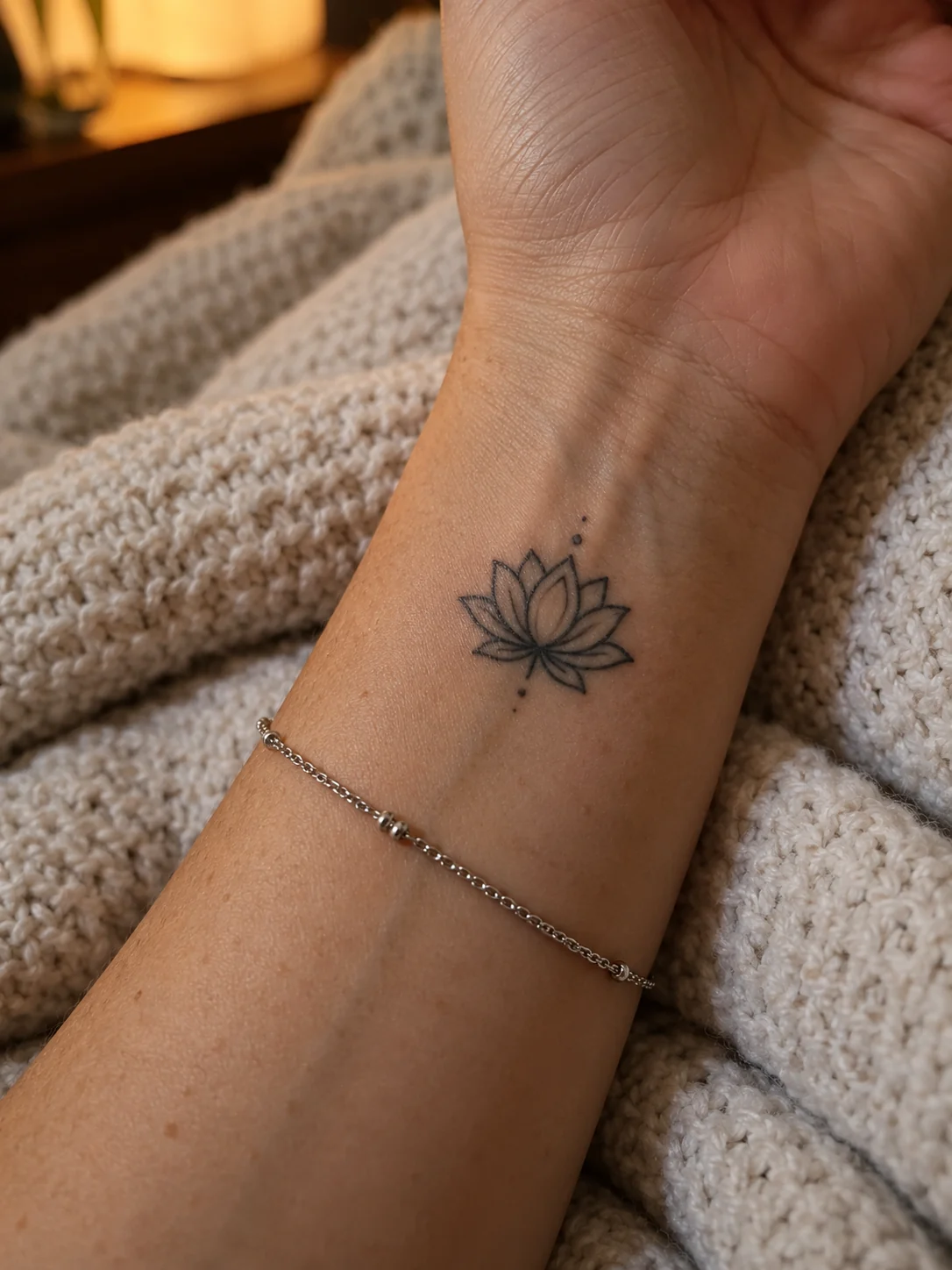
START WITH A SHAPE
8 wrist tattoo ideas to make your own
Eight motif studies to adapt to your chosen placement. The flash images show motifs to adapt, not finished tattoos, healed results or automatic placement previews.
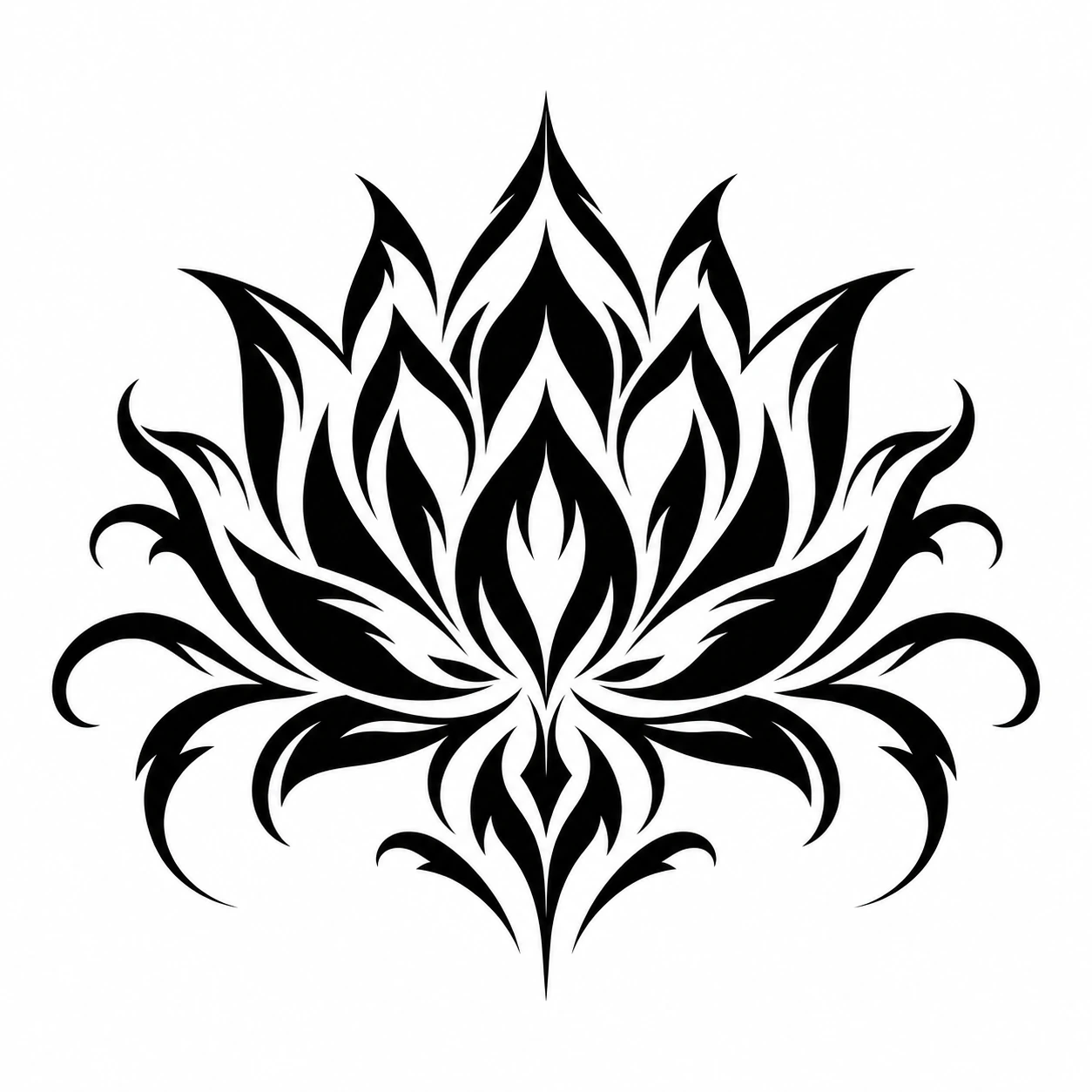
A lotus above a broken circle
Set a lotus above a circle that deliberately remains open. Use graphic petals with a sparse dotwork accent, keeping the flower more prominent than the ornament. This suits someone who likes contemplative imagery but wants a personal composition rather than a generic symmetrical mandala. For this wrist version, begin with a small open-sided mark. Simplify the smallest features first; a narrow wrist is better served by a readable symbol than a miniature scene.
Make this direction yours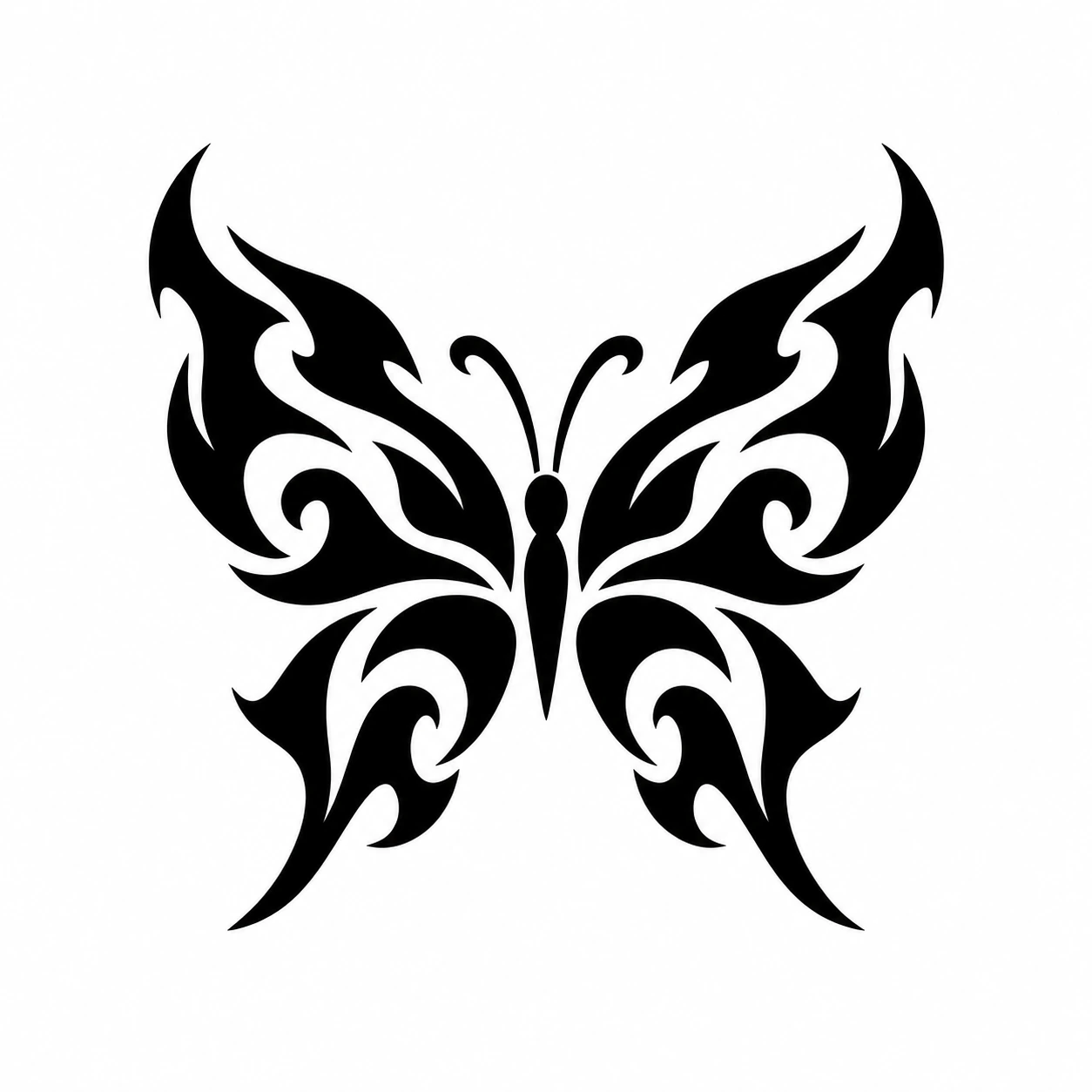
An off-center butterfly
Angle a butterfly as if it has just landed, keeping one wing more visible than the other. Graphic linework can suggest motion without surrounding sparkles. This suits someone who likes natural subjects but wants to move beyond a perfectly symmetrical specimen pinned at the center. On the wrist, make this a study in contrast: enlarge the subject before increasing texture. Simplify the smallest features first; a narrow wrist is better served by a readable symbol than a miniature scene.
Make this direction yours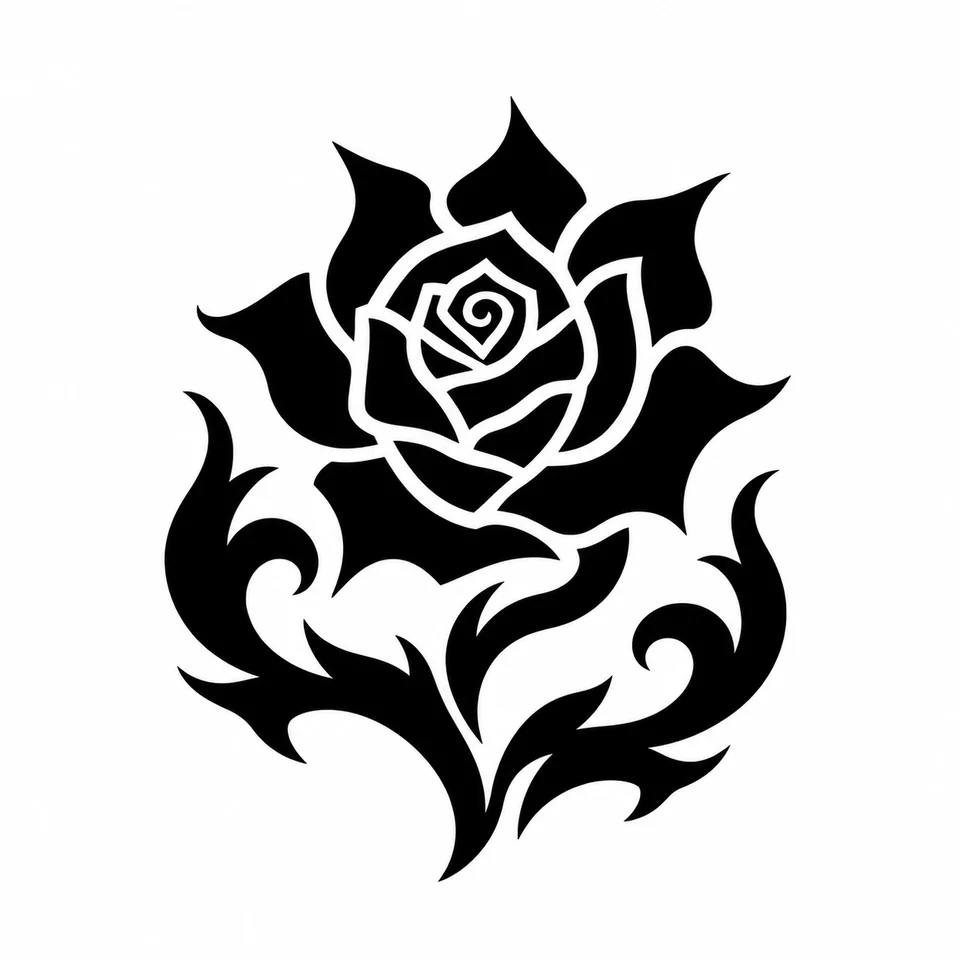
A rose with a missing petal
Choose a rose with one drifting petal and a cropped stem. Pair simplified petals with a small black shadow, letting the empty space suggest an unfinished memory. This is a useful starting point for a personal milestone without assigning a universal meaning to the flower. Adapt the outline to the wrist crease and the edge of a watch or bracelet; keep a visible gap around the main subject so nearby motifs can remain optional.
Make this direction yours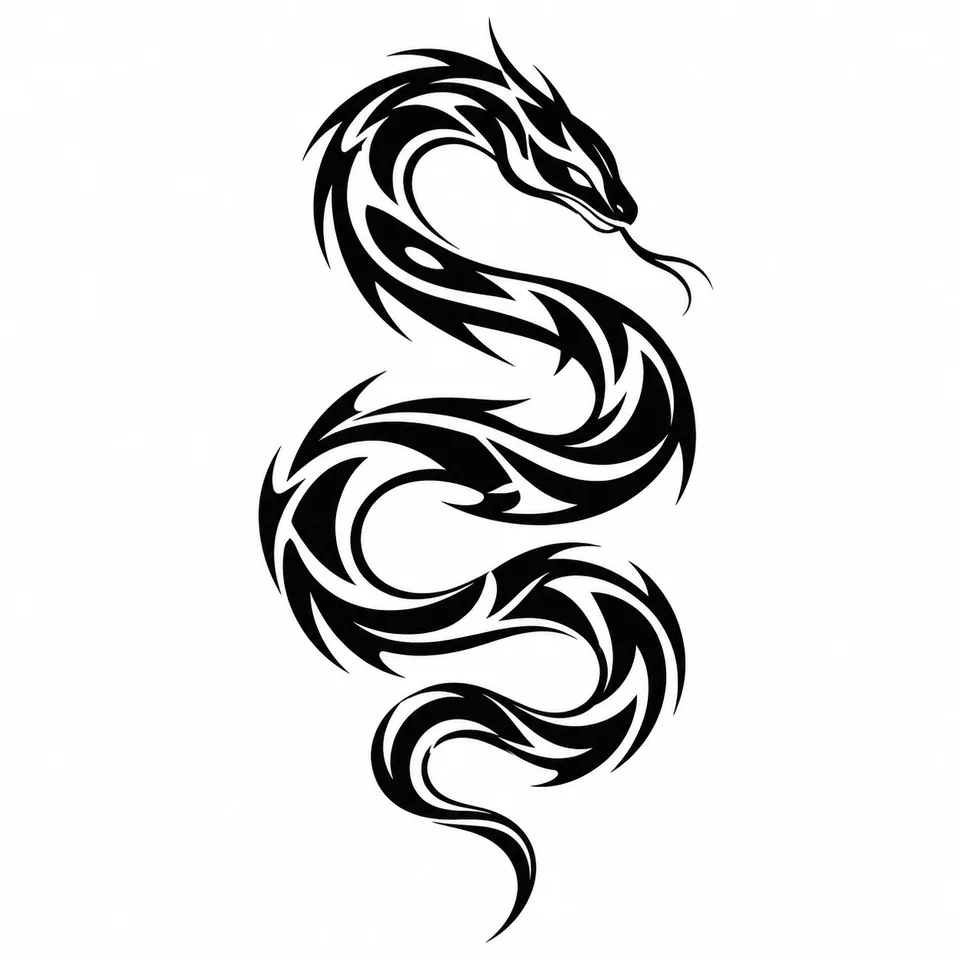
A snake with an open loop
Create a snake with one open loop and a clearly visible head. Combine a simple contour with alternating dark patches instead of tiny repeated scales. This suits someone who enjoys a subject that can feel protective, mysterious or simply beautiful depending on its posture. For this wrist version, begin with a small open-sided mark. Simplify the smallest features first; a narrow wrist is better served by a readable symbol than a miniature scene.
Make this direction yours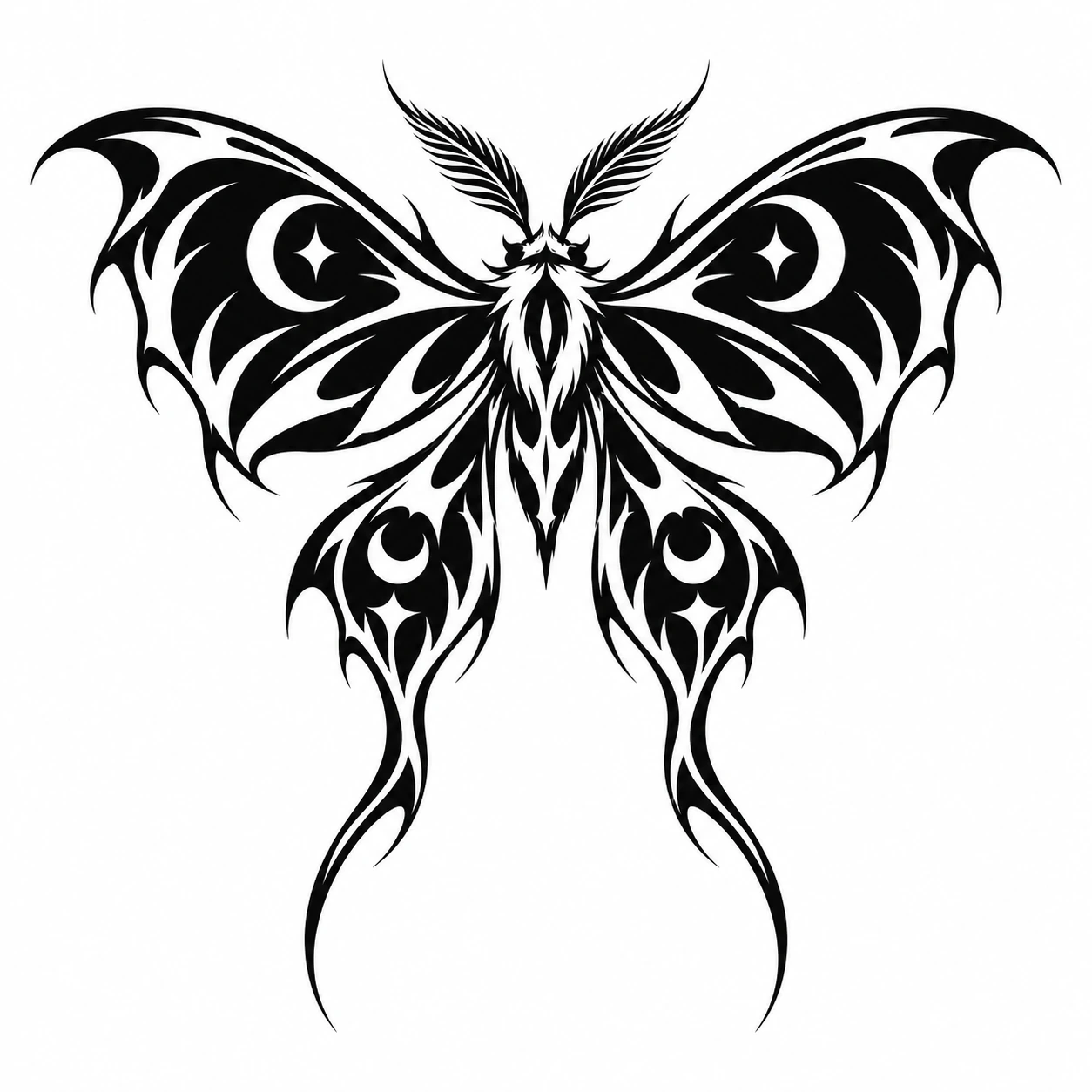
A moth crossing the moon
Set a moth across the edge of a moon rather than directly beneath it. Graphic wings and an incomplete lunar outline give the motif a small visual surprise. This suits someone interested in night imagery who wants a relationship between two shapes rather than a row of symbols. On the wrist, make this a study in contrast: enlarge the subject before increasing texture. Simplify the smallest features first; a narrow wrist is better served by a readable symbol than a miniature scene.
Make this direction yours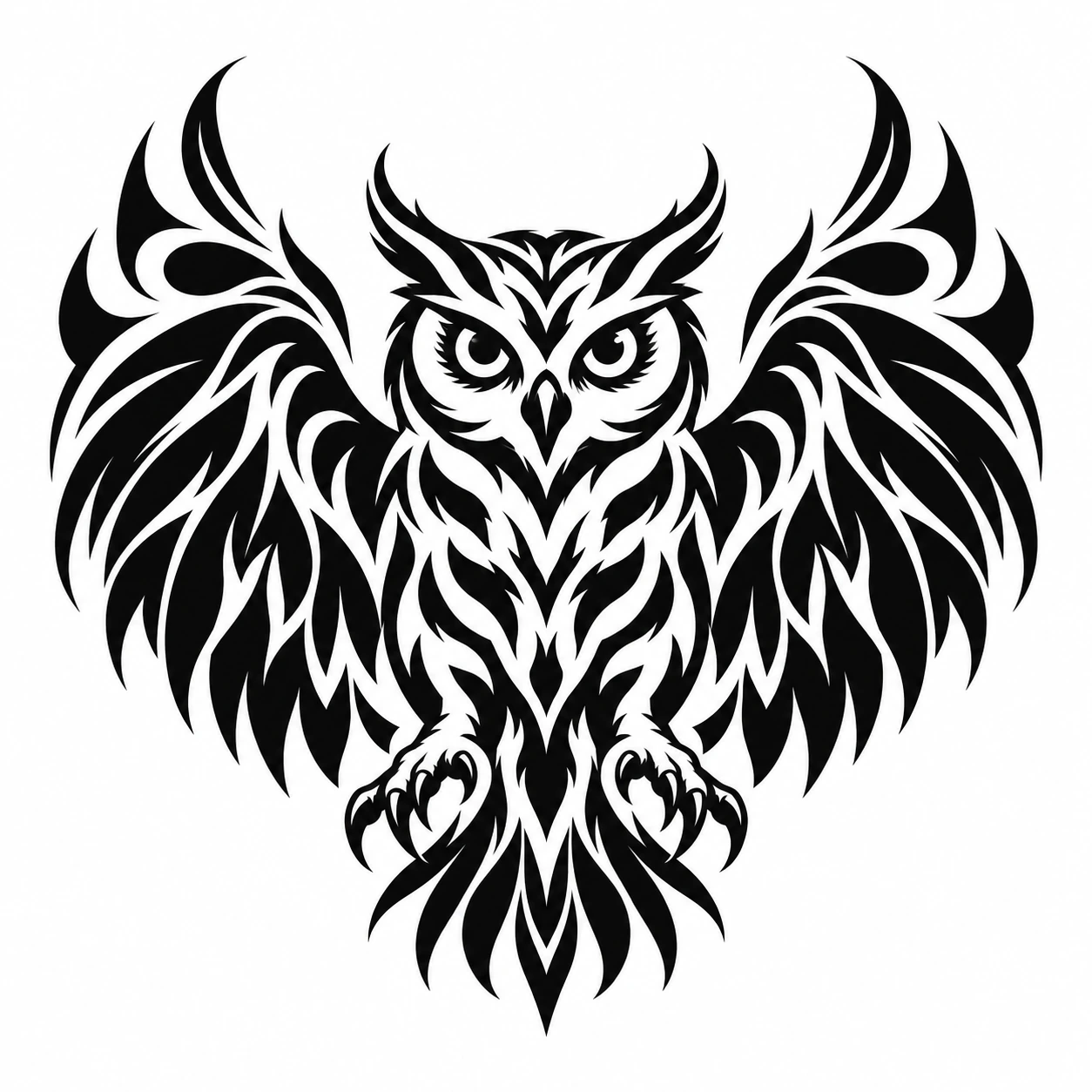
An owl watching sideways
Turn an owl slightly sideways and simplify the feather groups into overlapping planes. Illustrative blackwork keeps its gaze expressive without demanding tiny feather marks. This suits someone interested in nocturnal wildlife who wants a watchful portrait instead of a literal landscape or a stock wisdom symbol. Adapt the outline to the wrist crease and the edge of a watch or bracelet; keep a visible gap around the main subject so nearby motifs can remain optional.
Make this direction yours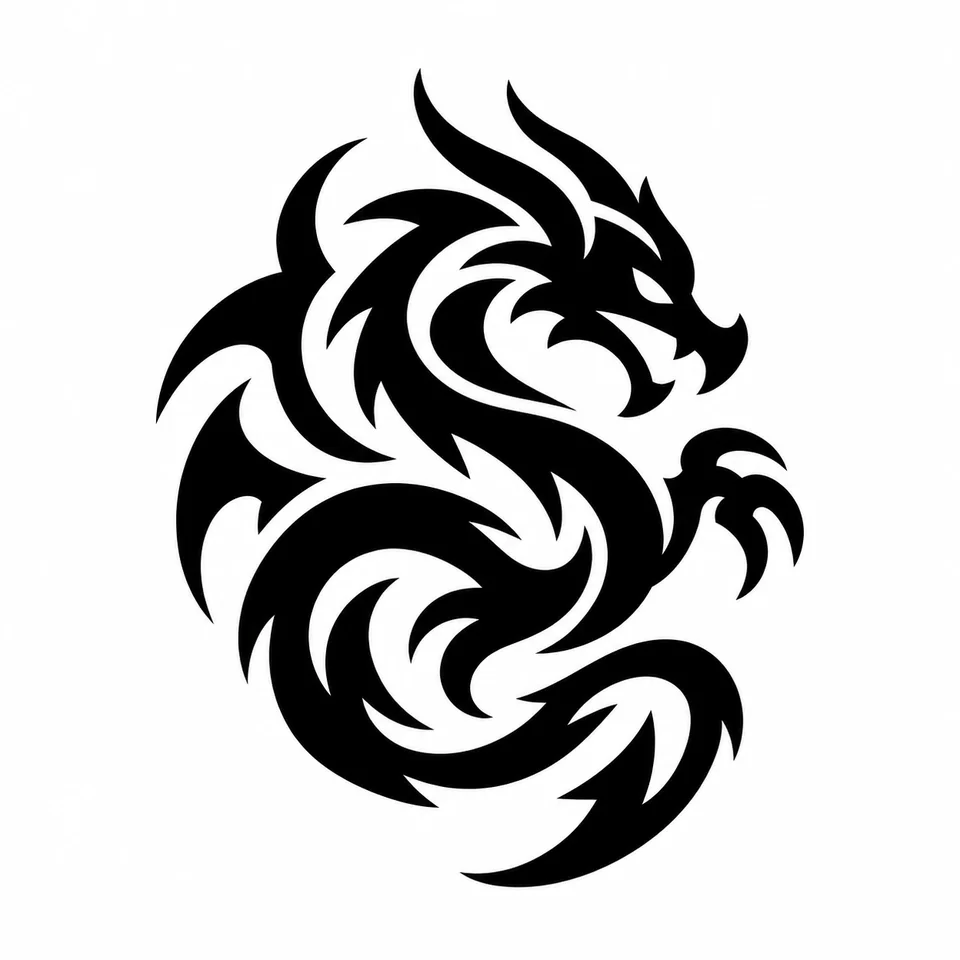
A traveling dragon
Build a winding dragon from two or three strong bends instead of a cloud of scales. Pair the subject with graphic blackwork and leave the belly open. This suits someone drawn to adventure who wants movement to carry the story rather than lettering. For this wrist version, begin with a small open-sided mark. Simplify the smallest features first; a narrow wrist is better served by a readable symbol than a miniature scene.
Make this direction yours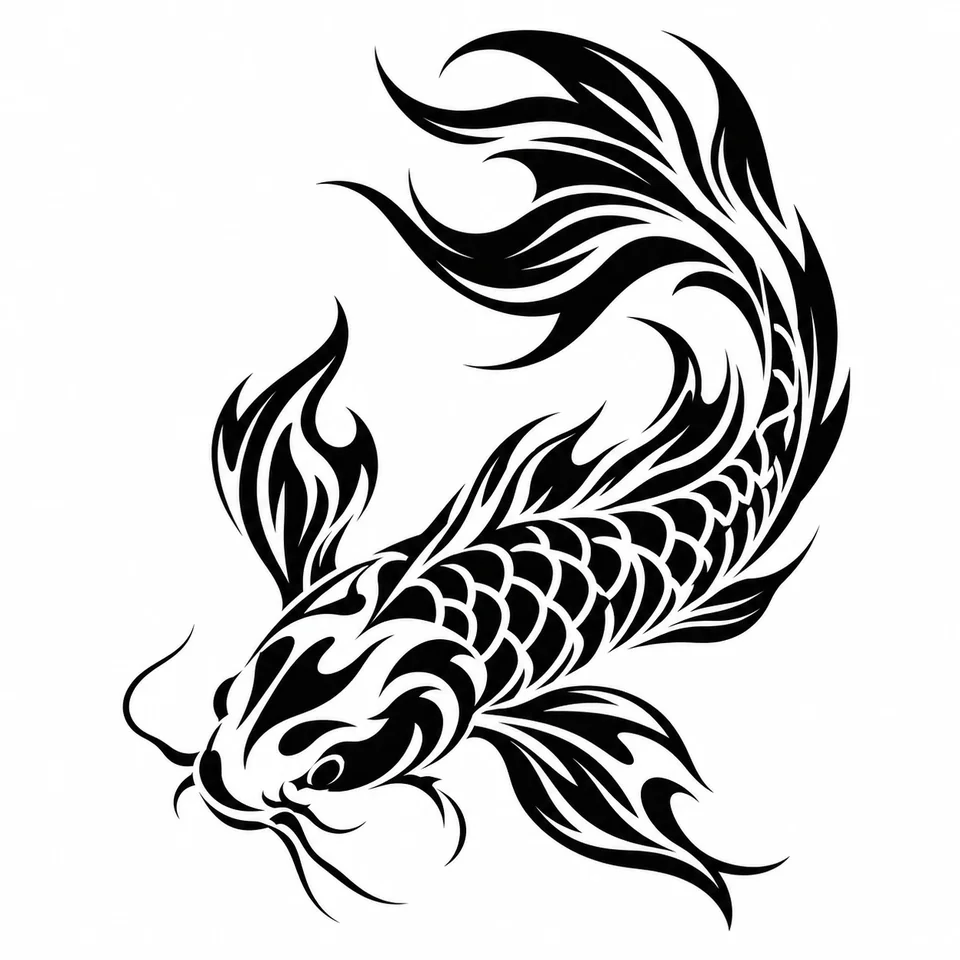
A koi turning upstream
Give a koi a single visible turn and use one interrupted water line to show direction. Japanese-inspired movement can work without copying a complete traditional composition. This suits someone attracted to persistence who wants the swimming posture, rather than a written slogan, to carry the idea. On the wrist, make this a study in contrast: enlarge the subject before increasing texture. Simplify the smallest features first; a narrow wrist is better served by a readable symbol than a miniature scene.
Make this direction yoursChoose a story before a style
Write down three subjects connected to a real interest, place or memory. Compare their silhouettes at the same size, then keep the one you still recognize without interior detail. For the wrist, a small open-sided mark gives that subject a useful starting frame. Avoid combining all three candidates into one image simply because each matters to you.
Choose a size you can explain
Mark the wrist crease and the edge of a watch or bracelet on a body photograph and compare two paper outlines at different scales. Simplify the smallest features first; a narrow wrist is better served by a readable symbol than a miniature scene. Judge the design from a normal viewing distance as well as close up. Your artist should determine the minimum workable detail; a screen preview does not predict how fine marks will age.
Turn the shortlist into an artist brief
Use a preset below to open the studio with the wrist placement and a subject prompt. The pictured references are existing tribal flash; other styles mentioned here are proposed reinterpretations, not additional images. Change one variable at a time, such as outline weight or pose, and save two alternatives. Tell your artist your preferred boundaries, intended size and any future expansion. Generation starts only when you choose to generate.
Questions about wrist tattoo ideas
Which wrist tattoo idea should I try first?
Start with the motif you can describe in one sentence, then compare it as a small open-sided mark. Personal relevance and a clear silhouette are more useful selection criteria than the number of details in a reference.
How small can my wrist idea be?
There is no universal minimum. Bring the chosen subject and intended boundaries to an artist, who can simplify it for the available area. Compare a larger outline before asking for finer lines.
Are these ideas finished tattoo designs?
No. These are AI-created motif references and suggested design briefs. The images are not healed results or exact previews of the final placement; an artist needs to adapt them.
How do I plan the appointment?
Ask your artist about session length, placement sensitivity and their aftercare instructions before booking. Plan clothing that leaves the wrist accessible and discuss activities that could rub the area. Avoid treating an AI concept as a stencil ready to tattoo.