 CREATE AI TATTOO
BACK PLACEMENT GUIDE
Back tattoo designs for women
For women comparing upper-back and one-sided designs, map the necklines you actually wear on a placement photo. An offset rose can sit entirely within one visible area, while a butterfly may be partly covered. Choose whether that partial reveal is intentional before committing to the width.
Searching for back tattoos for females? These ideas focus on composition choices, not rules about who can wear a subject. Use your own proportions, clothing and visibility preferences to decide what fits.
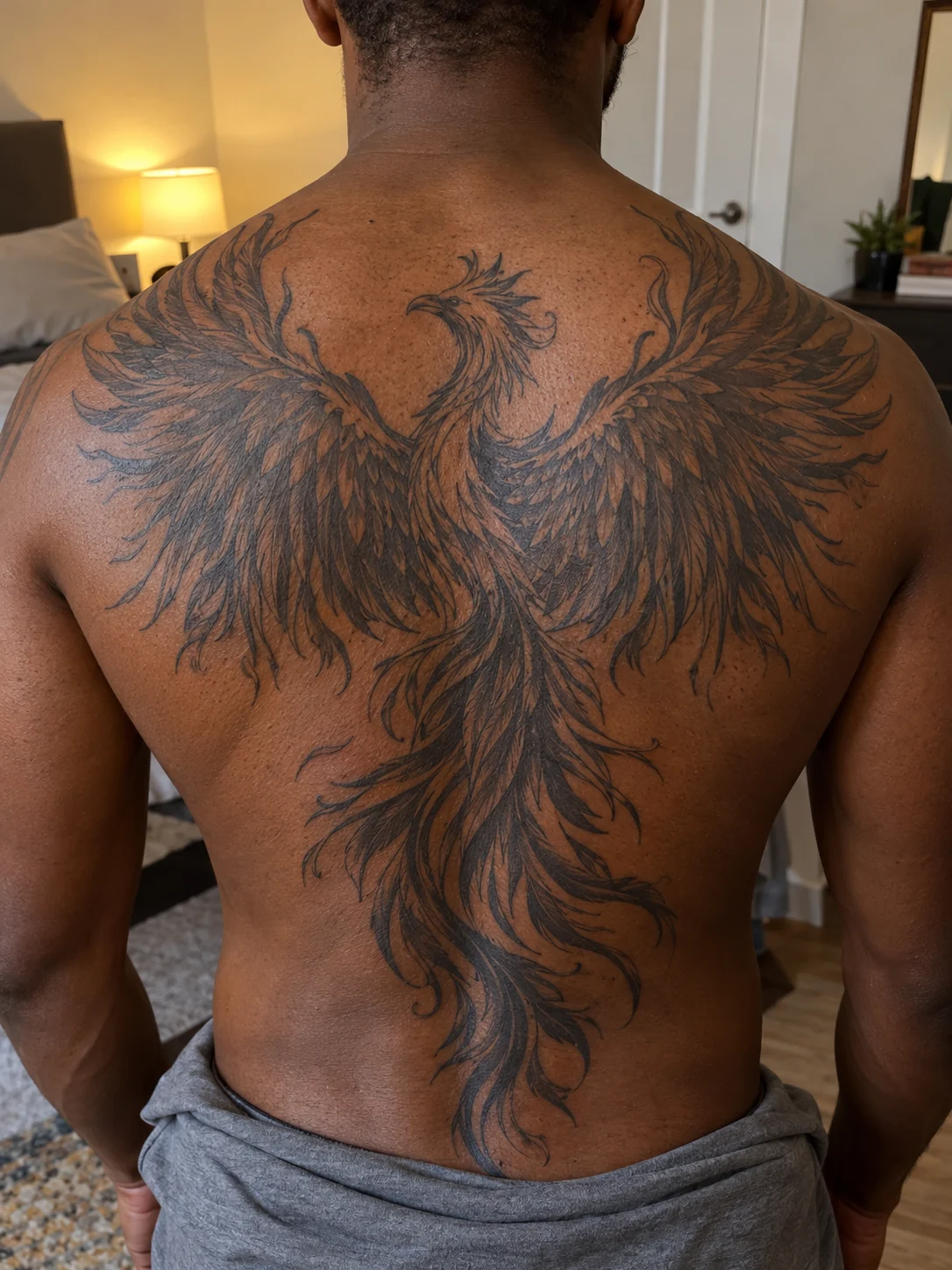
START WITH A SHAPE
8 back tattoo designs for women to make your own
Eight motif studies to adapt to your chosen placement. The flash images show motifs to adapt, not finished tattoos, healed results or automatic placement previews.
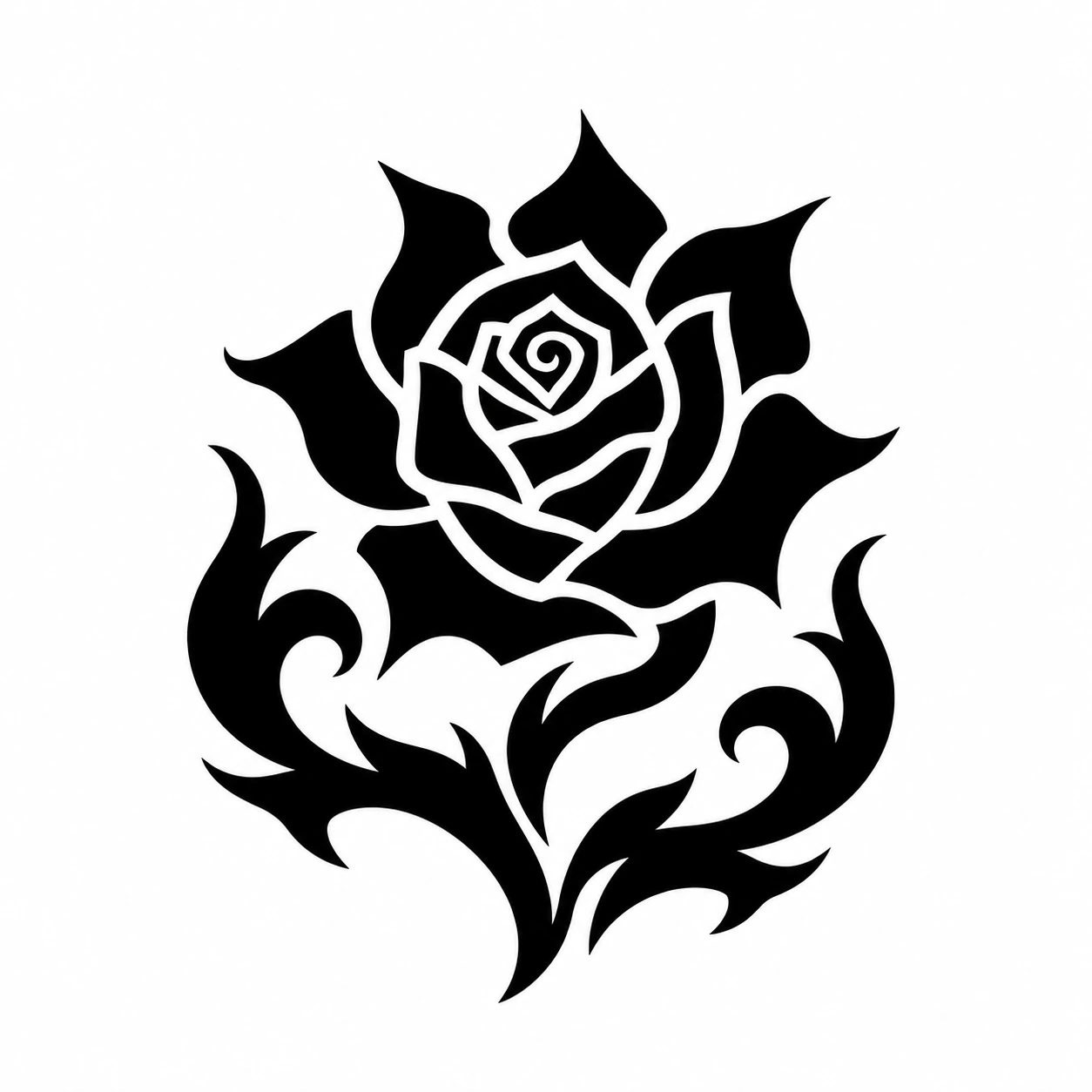
Rose between the shoulder blades
Give the flower a clear center and let leaves finish the edges. Compare this motif with the coverage and boundaries in the artist brief below.
Make this direction yours
Tiger as an upper-back centerpiece
Keep both eyes on the same viewing plane instead of splitting the face around a shoulder. Keep this as an alternative subject within the placement plan; ask your artist to redraw the outline to fit.
Make this direction yours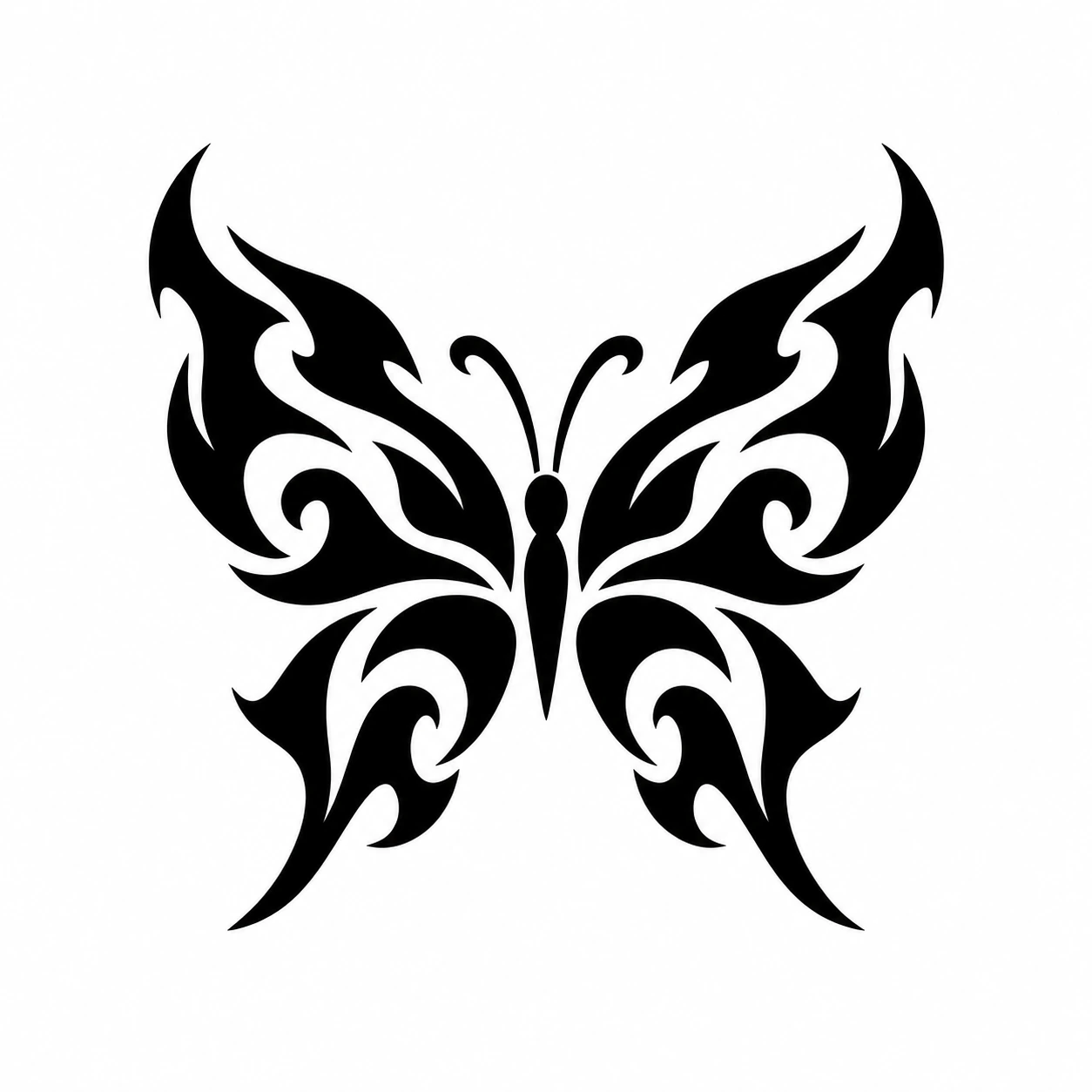
Butterfly across the upper back
Check the wing balance with relaxed shoulders, not only a posed photograph. Compare this motif with the coverage and boundaries in the artist brief below.
Make this direction yours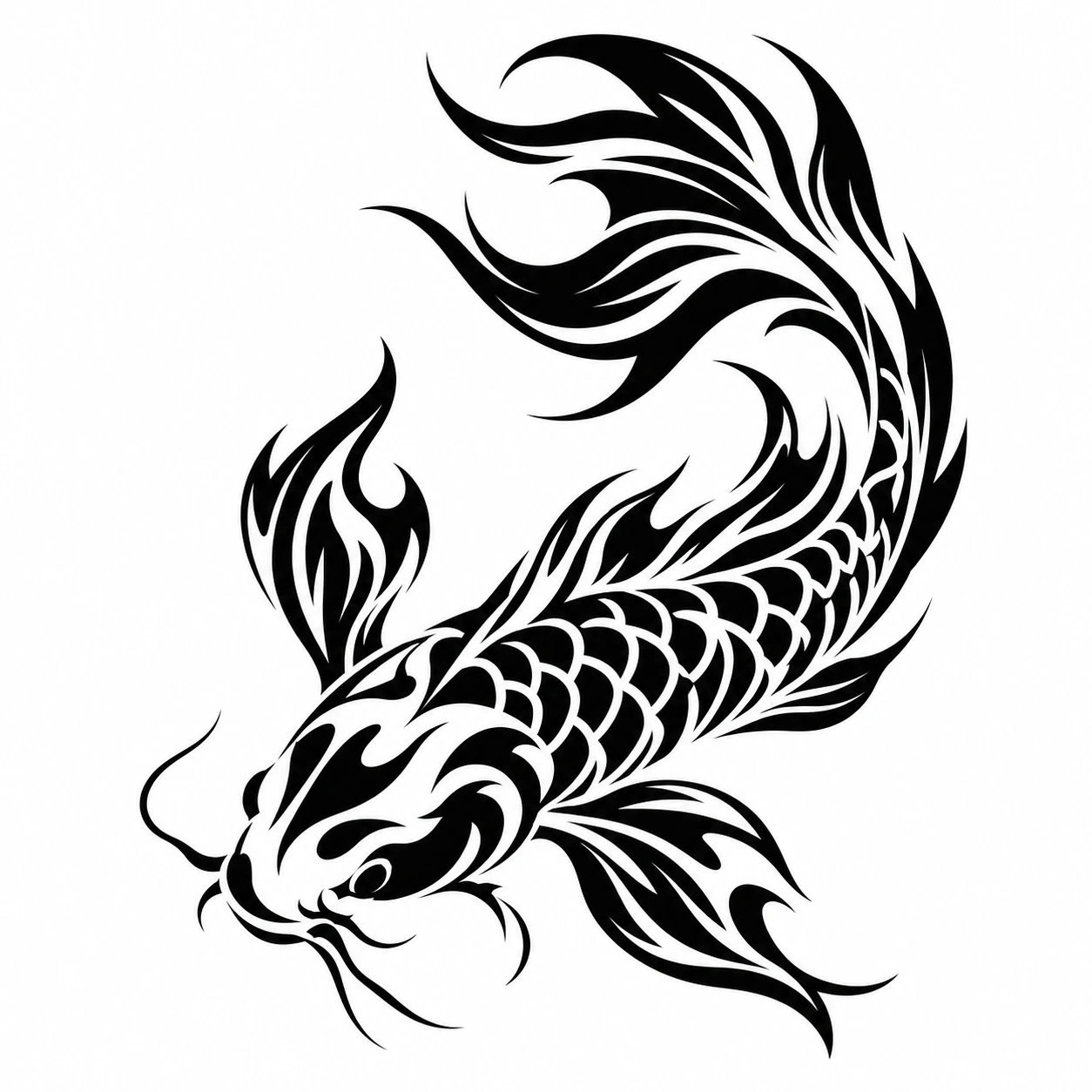
Koi in an offset current
Angle the body across one side and reserve space for water to connect the scene. Keep this as an alternative subject within the placement plan; ask your artist to redraw the outline to fit.
Make this direction yours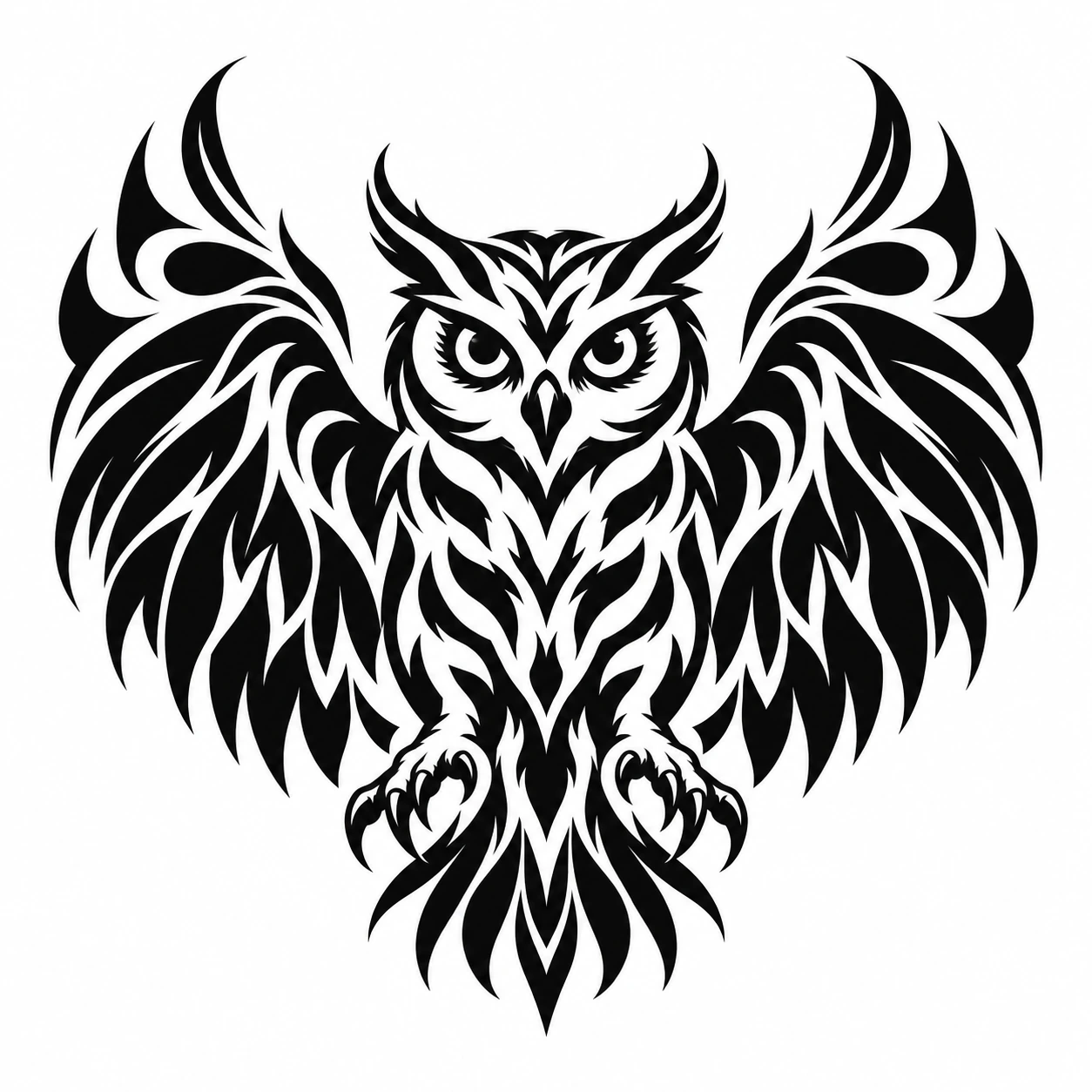
Owl with a broad crown
Use the head as the focal point and simplify feathers at the outer edge. Compare this motif with the coverage and boundaries in the artist brief below.
Make this direction yours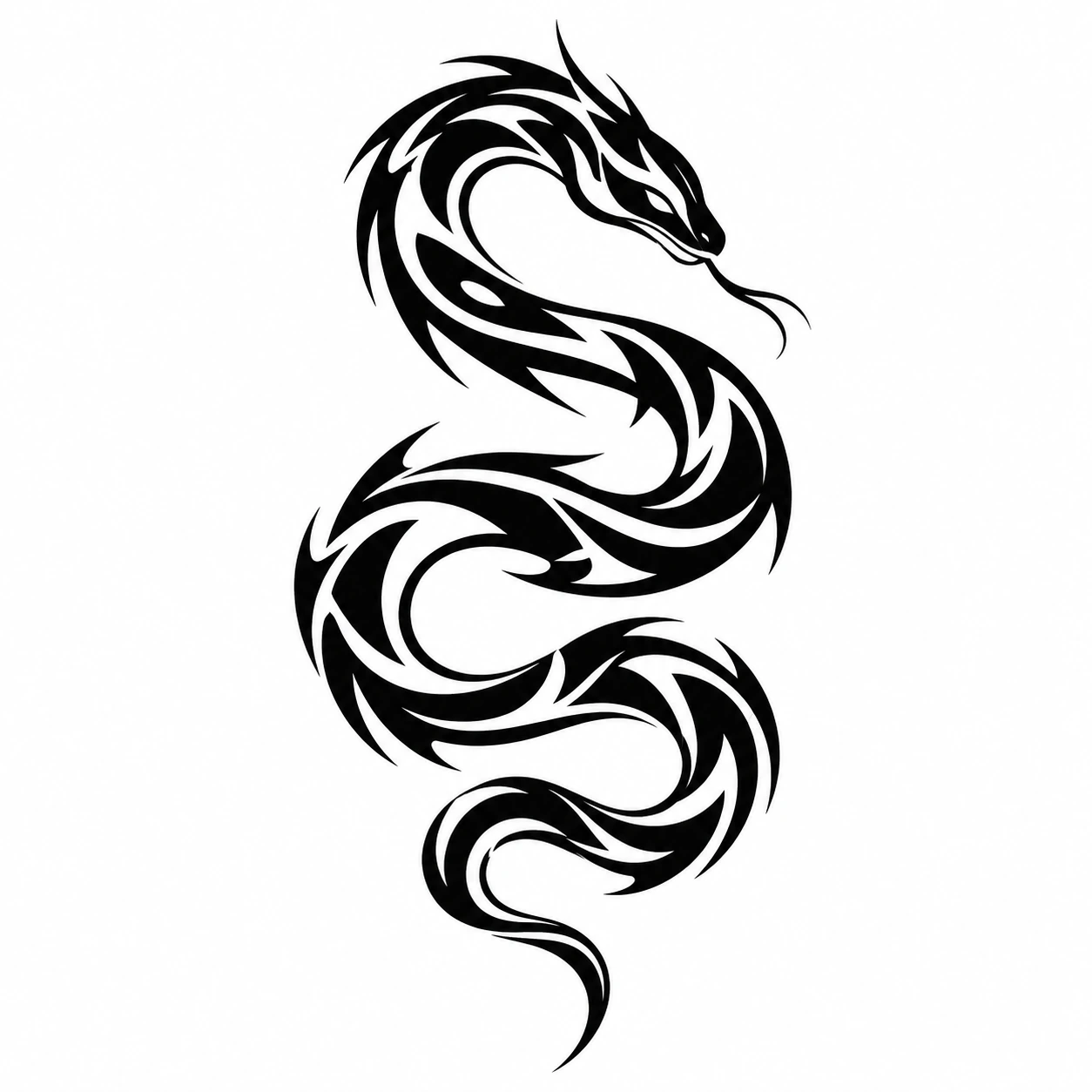
Snake along an open diagonal
Leave space between turns so the diagonal remains visible from a distance. Keep this as an alternative subject within the placement plan; ask your artist to redraw the outline to fit.
Make this direction yours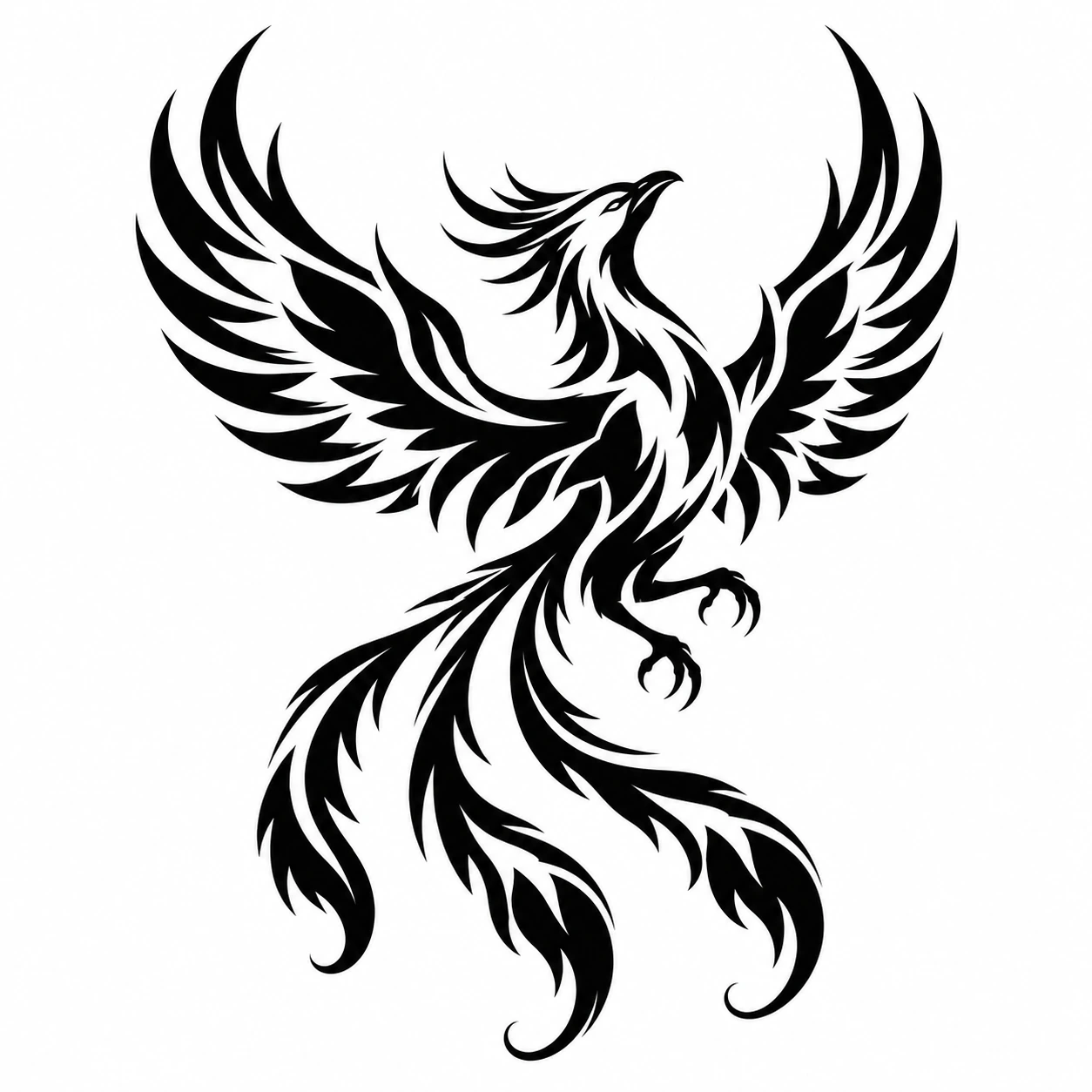
Phoenix with shoulder-blade wings
Keep the body near the spine and let the wings establish the upper width. Compare this motif with the coverage and boundaries in the artist brief below.
Make this direction yours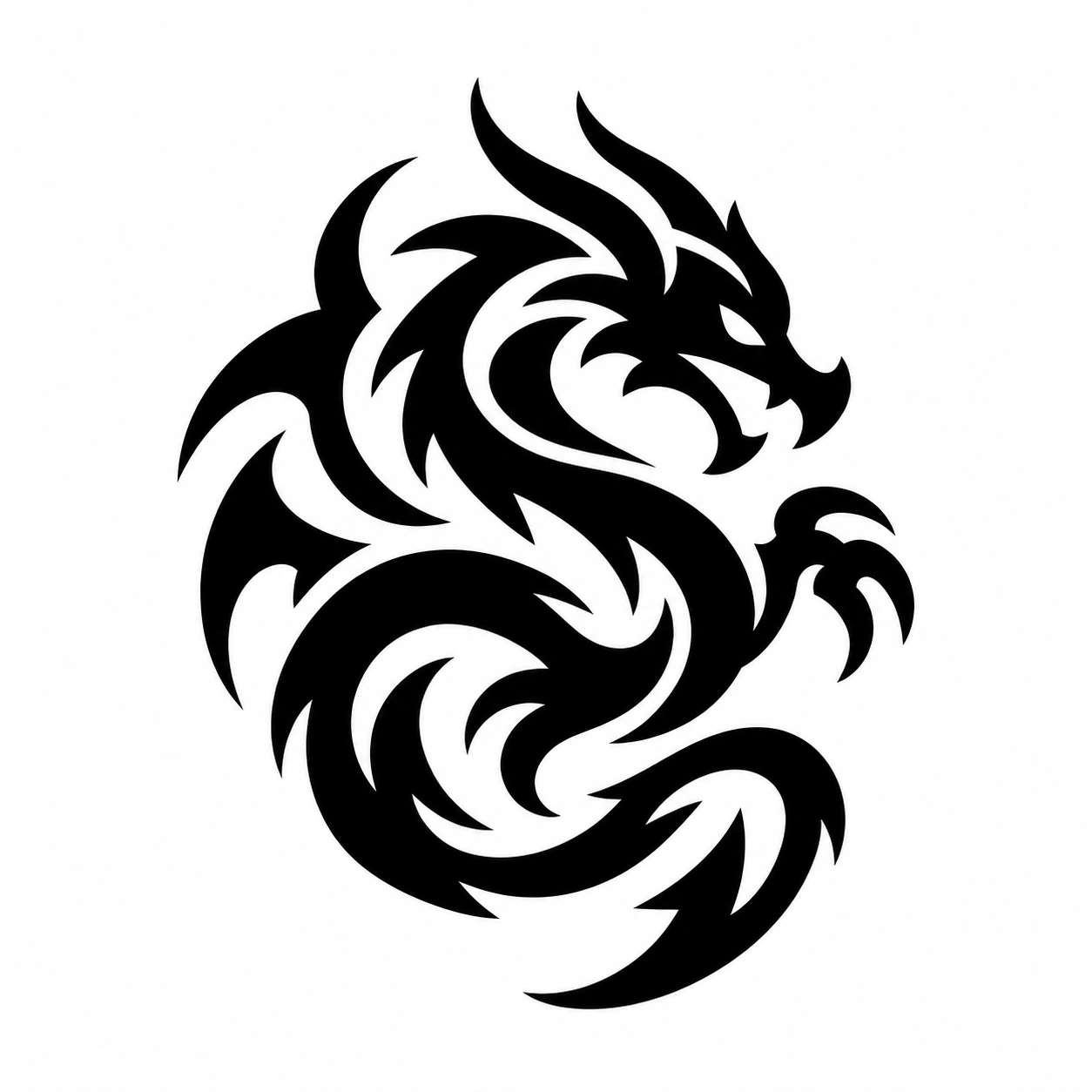
Dragon descending beside the spine
Use one long curve rather than a stack of unrelated coils. Keep this as an alternative subject within the placement plan; ask your artist to redraw the outline to fit.
Make this direction yoursChoose the focal shape
An offset back accent does not need to balance against a matching tattoo on the other side. Use the spine as a spacing reference and compare the rose at two distances from it before adding another subject.
Test the viewing boundary
Photograph two everyday necklines on the same rear view. A small change in placement may turn a complete flower into a partial reveal; choose which relationship you want rather than chasing maximum visibility.
Plan the next connection
If the upper-back accent could grow later, point the leaves toward the intended next area. An upward branch suggests a shoulder connection, while a downward stem leaves a route beside the spine.
Test wings with arms forward
Shoulder blades move when you reach or fold your arms. Keep a face or central emblem away from an accidental split between moving surfaces. Compare a relaxed rear view with a gentle forward reach: wing tips can travel with the shoulder blades while the main subject remains readable in the center.
An offset piece with a deliberate neckline
For women comparing upper-back and one-sided designs, map the necklines you actually wear on a placement photo. An offset rose can sit entirely within one visible area, while a butterfly may be partly covered. Choose whether that partial reveal is intentional before committing to the width.
An artist brief for this direction
Offset rose below the left shoulder blade, visible with my usual neckline, open space beside the spine.
Bring a rear-view outline, the top and bottom limits, and one main subject. A useful brief is: upper-back phoenix, central body, wings approaching the shoulder blades, open lower back, no rectangular frame. Say whether the waist and shoulders must remain available for future work, and ask the artist to redraw the edges on your body.
Questions about back tattoo designs for women
Where should I start with a back tattoo for women?
The spine gives a back piece a centerline, but it does not require perfect symmetry. A phoenix can spread across both shoulder blades; a single branch can sit to one side. Mark the visible boundary in a photograph taken with your shoulders relaxed before deciding whether the whole back belongs in the design.
How do I brief the women’s design direction?
Offset rose below the left shoulder blade, visible with my usual neckline, open space beside the spine. Treat this as a starting brief; your artist should adapt the dimensions to you.
Can this back tattoo connect to a larger piece?
If sleeves are planned, leave deliberate exits at one or both shoulders. A cloud, feather or leaf can suggest a transition without filling every gap. Existing shoulder tattoos may call for an offset composition; photograph both sides so the artist can plan the relationship rather than treating the back as an isolated rectangle.
Are these back designs only for women?
No. Anyone can choose these subjects. This collection uses an offset piece with a deliberate neckline as its starting direction, but body proportions and personal preferences determine the final placement. The flash references need artist adaptation.