 CREATE AI TATTOO
BACK IDEA COLLECTION
Back Tattoo Ideas for Men
Back Tattoo Ideas for Men start with a subject you want to live with, then a shape that belongs on your body. This collection explores a broad upper-back crest, using eight motifs as creative starting points. Decide what the image should express before choosing its decorative details. The aim is a brief you can discuss with an artist, not a finished stencil.
This selection for men emphasizes clear silhouettes, deliberate dark areas and room to expand a collection. These are design preferences, not requirements for male bodies. A small flower can work as well as a large animal; choose the visual weight you enjoy, then work within the shoulder blades as the upper boundary and the waist as the lower boundary.
START WITH A SHAPE
8 back tattoo ideas for men to make your own
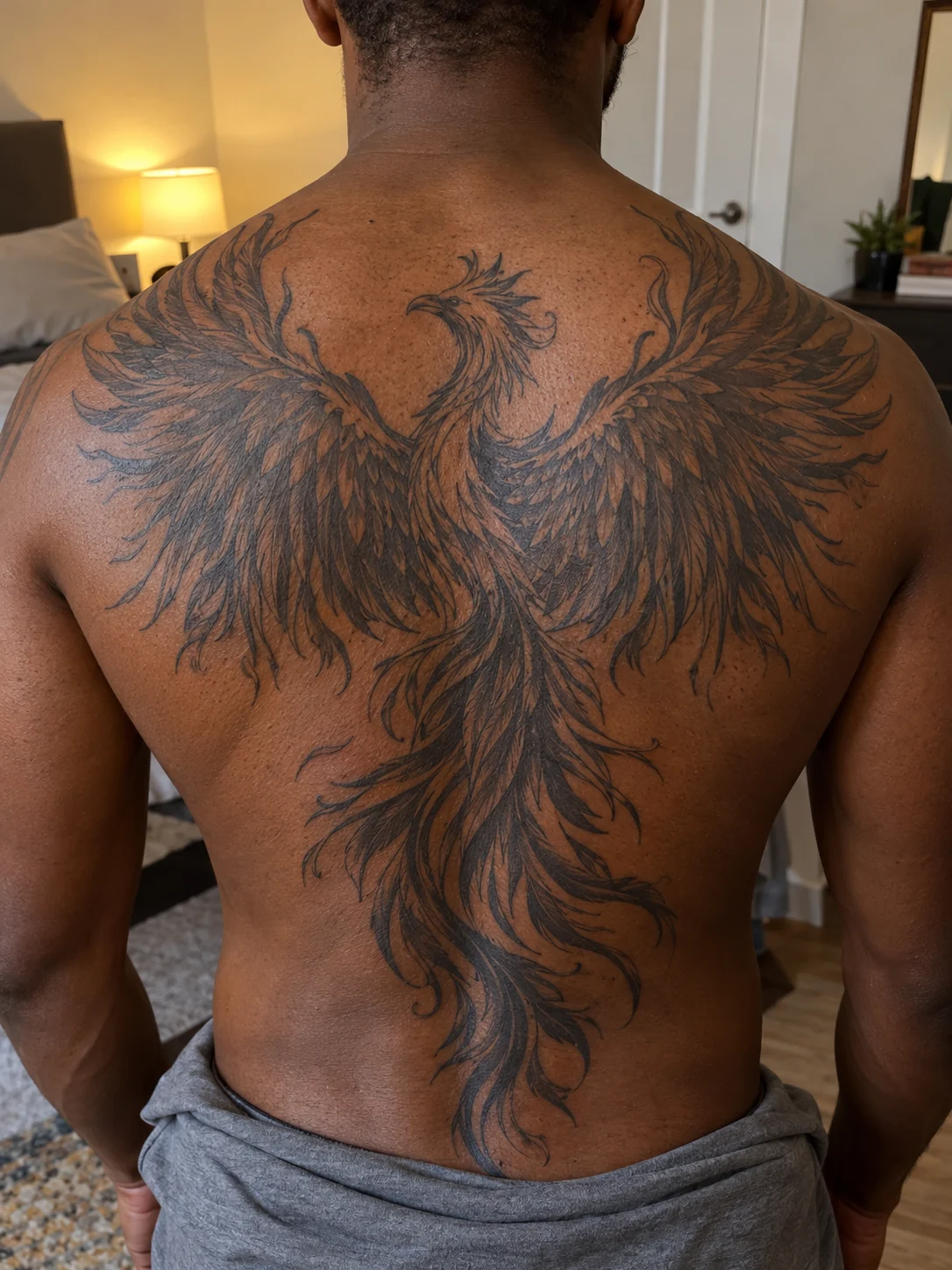
Eight motif studies to adapt to your chosen placement. The flash images show motifs to adapt, not finished tattoos, healed results or automatic placement previews.
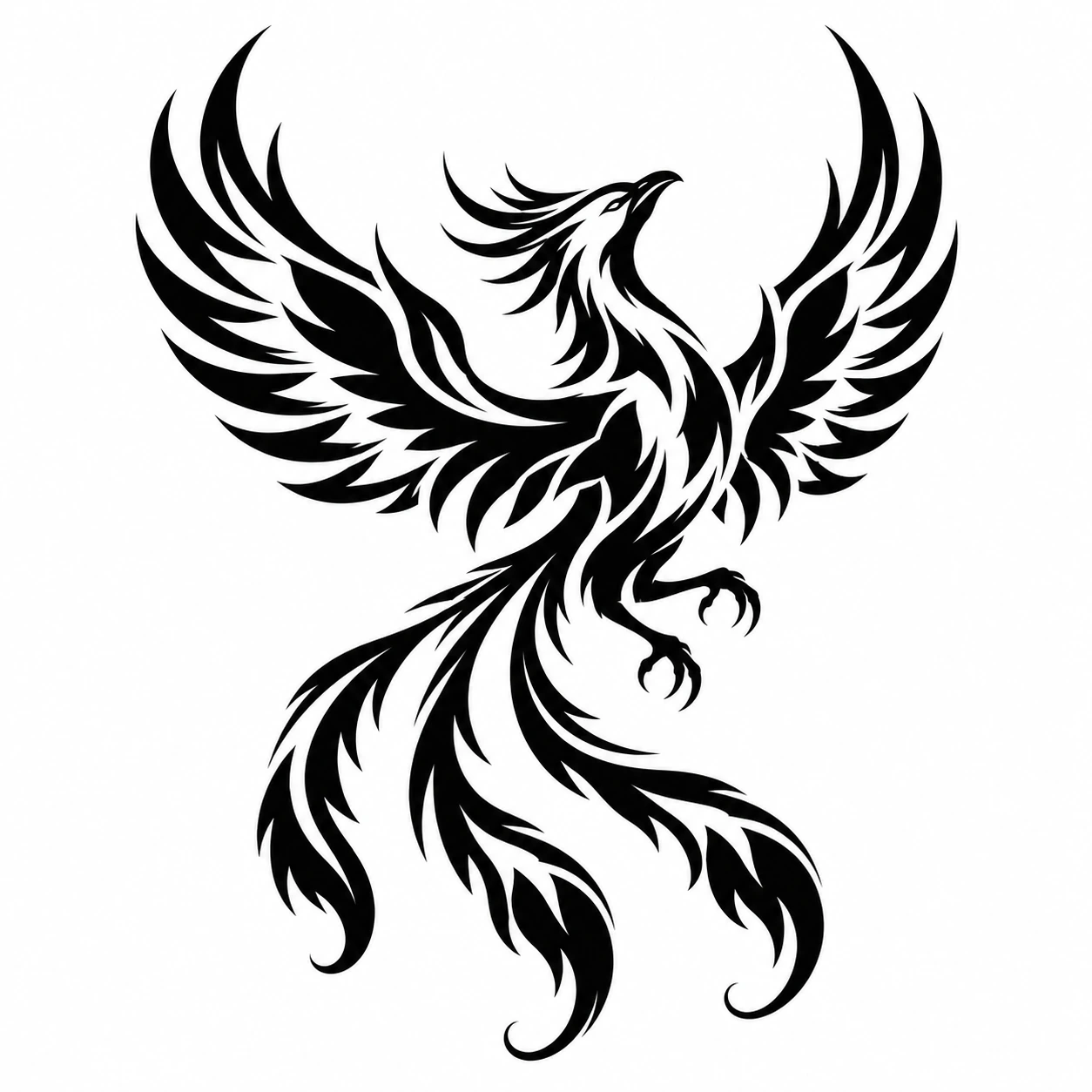
A rising phoenix crest
Stack a strong beak, lifted wings and a short tail into a crest. Bold blackwork provides hierarchy, while a narrow open channel separates the wings. It suits someone planning a larger collection who needs a decisive central subject that can later accept surrounding elements. For this back version, begin with a broad upper-back crest. Keep the main gesture readable across the broad back; test it with both arms resting and reaching forward.
Make this direction yours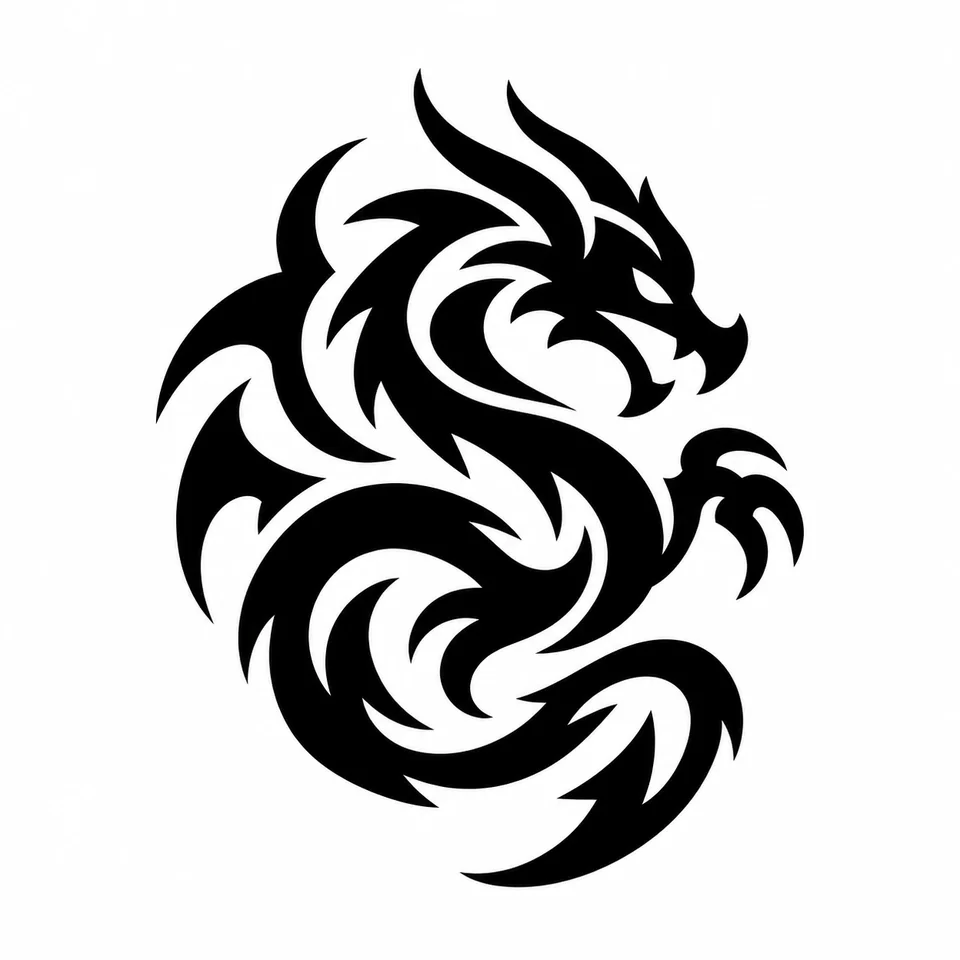
A shield-shaped dragon
Use a broad dragon head above a restrained tail, with woodcut shading kept inside a strong border. This direction suits a collector who likes armor-like imagery and wants one readable focal point. Keep the eye and jaw distinct before adding any background. On the back, make this a study in contrast: enlarge the subject before increasing texture. Keep the main gesture readable across the broad back; test it with both arms resting and reaching forward.
Make this direction yours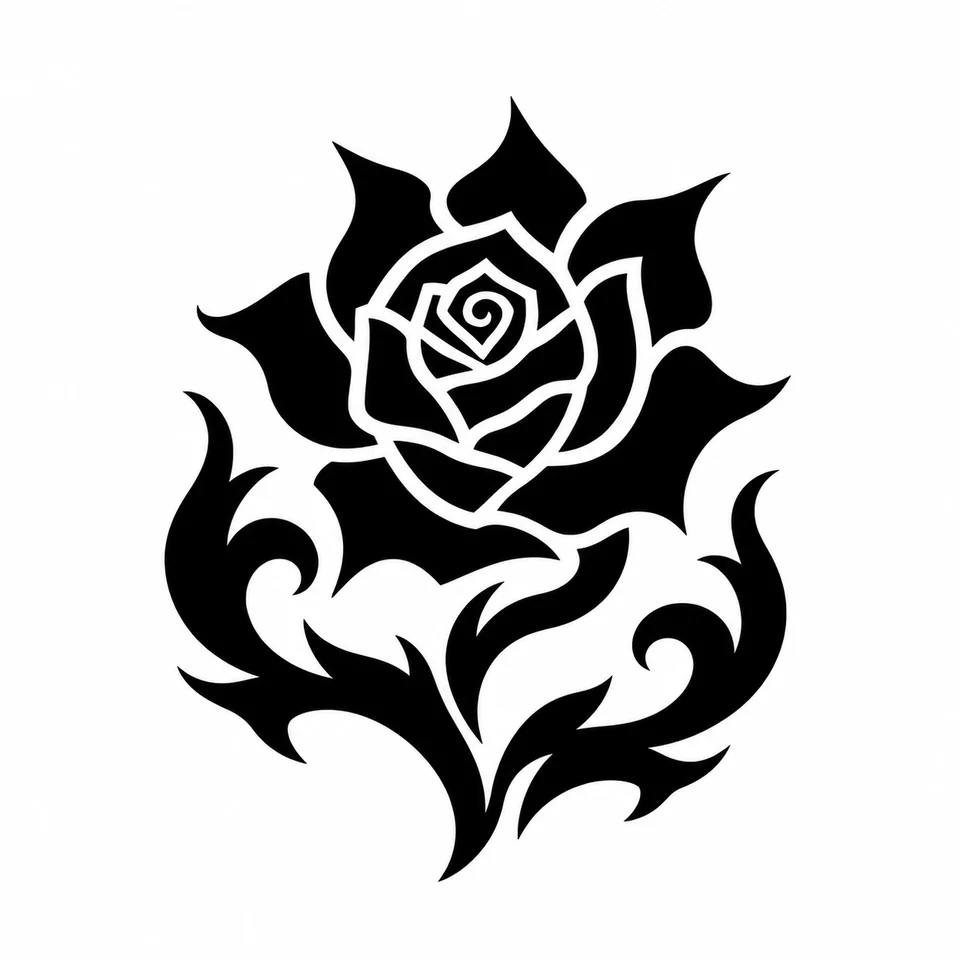
A carved rose emblem
Frame a rose with angular leaves and a solid stem, borrowing the clarity of a carved stamp. Traditional-inspired outlines make the subject direct without requiring a large bouquet. It suits someone who wants a memorial or dedication but prefers the image to speak without a name. Adapt the outline to the shoulder blades as the upper boundary and the waist as the lower boundary; keep a visible gap around the main subject so nearby motifs can remain optional.
Make this direction yours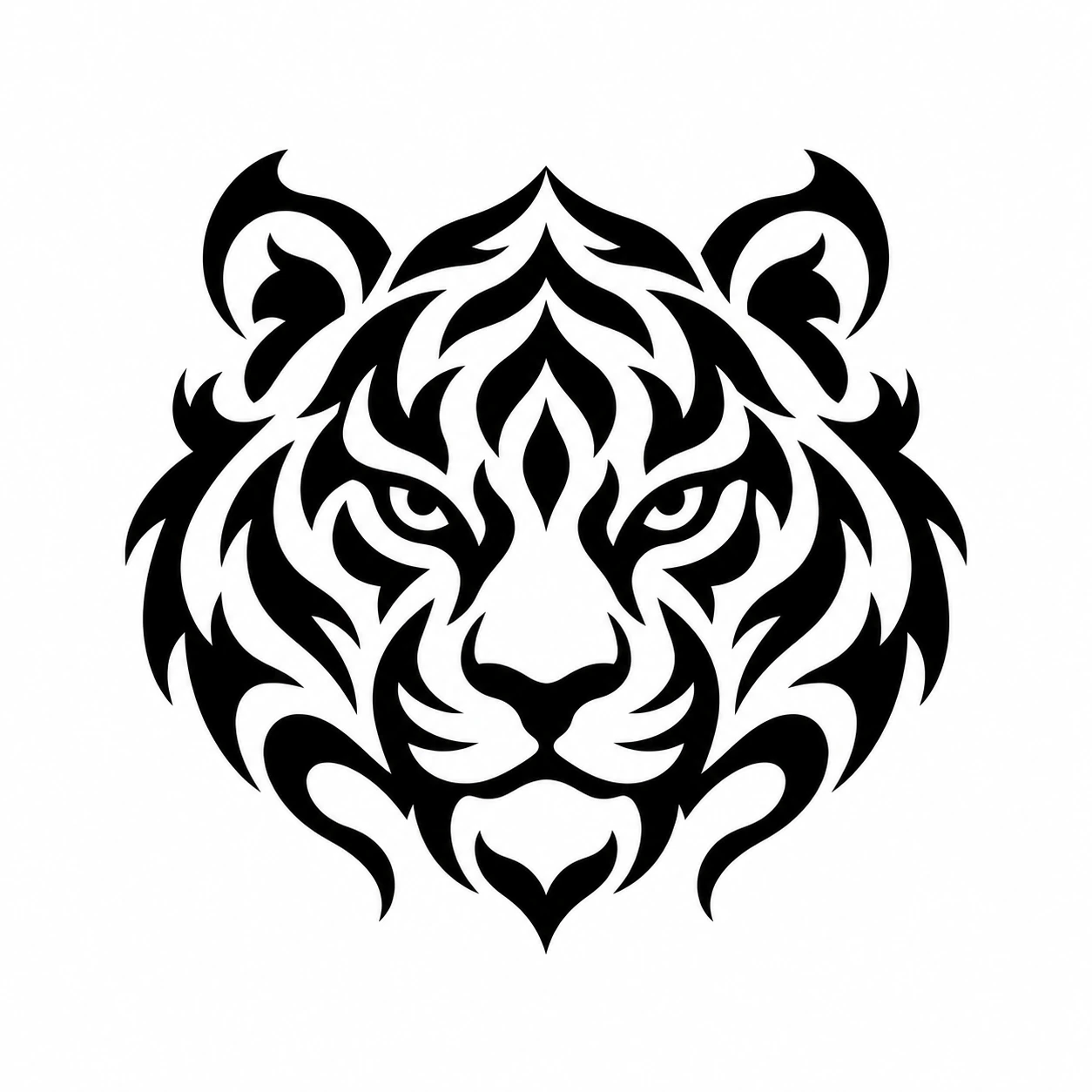
A tiger mask study
Start with a frontal tiger mask and exaggerate the separation between brow, muzzle and cheek stripes. Bold illustrative blackwork makes those landmarks legible. This suits someone who likes a commanding focal image and wants the artist to prioritize expression over a complete animal scene. For this back version, begin with a broad upper-back crest. Keep the main gesture readable across the broad back; test it with both arms resting and reaching forward.
Make this direction yours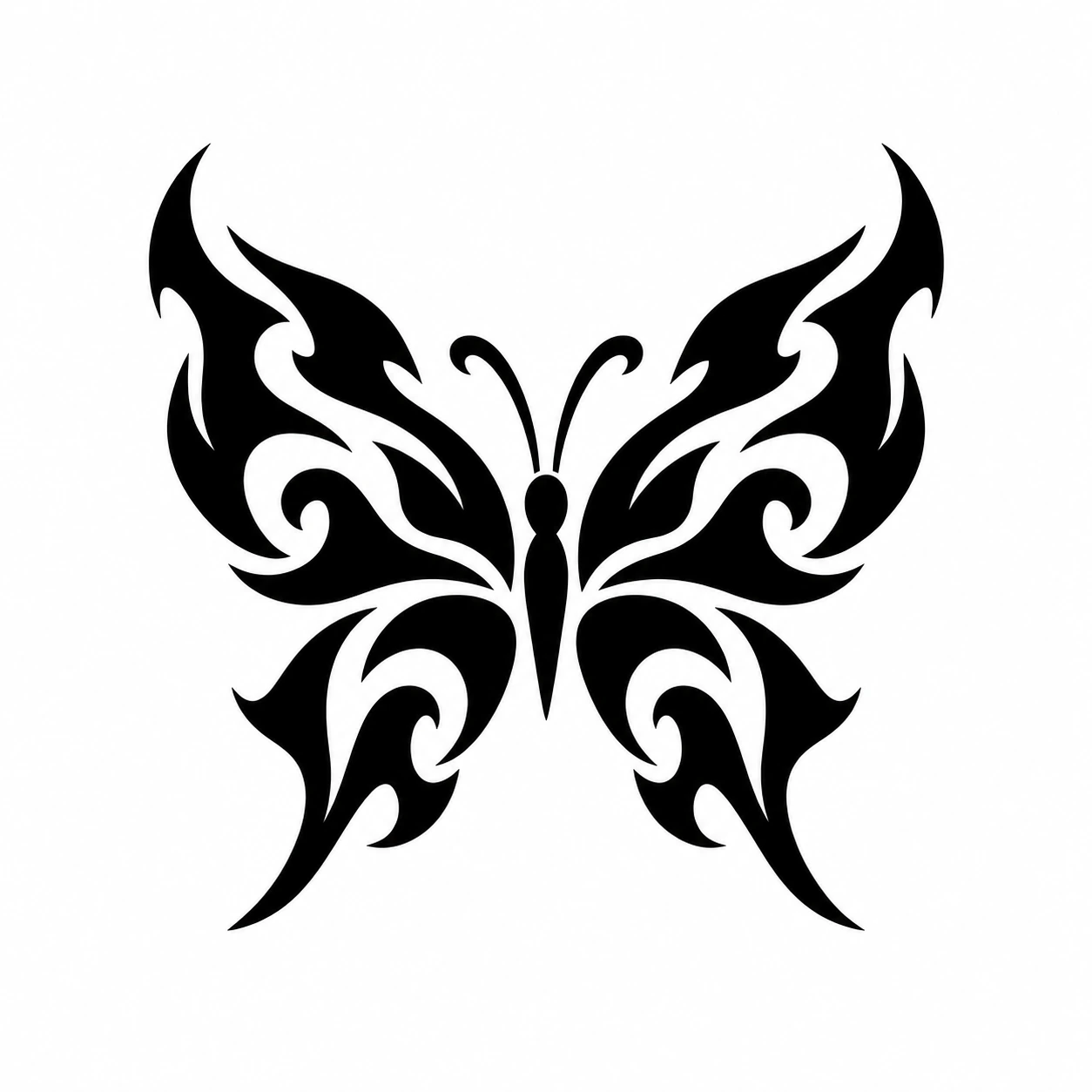
A graphic butterfly badge
Try a butterfly with broad angular wings and a restrained geometric division. Blackwork gives the familiar subject a firm silhouette without changing its identity. It suits someone interested in transformation who prefers a compact emblem over a delicate drawing or a complicated narrative scene. On the back, make this a study in contrast: enlarge the subject before increasing texture. Keep the main gesture readable across the broad back; test it with both arms resting and reaching forward.
Make this direction yours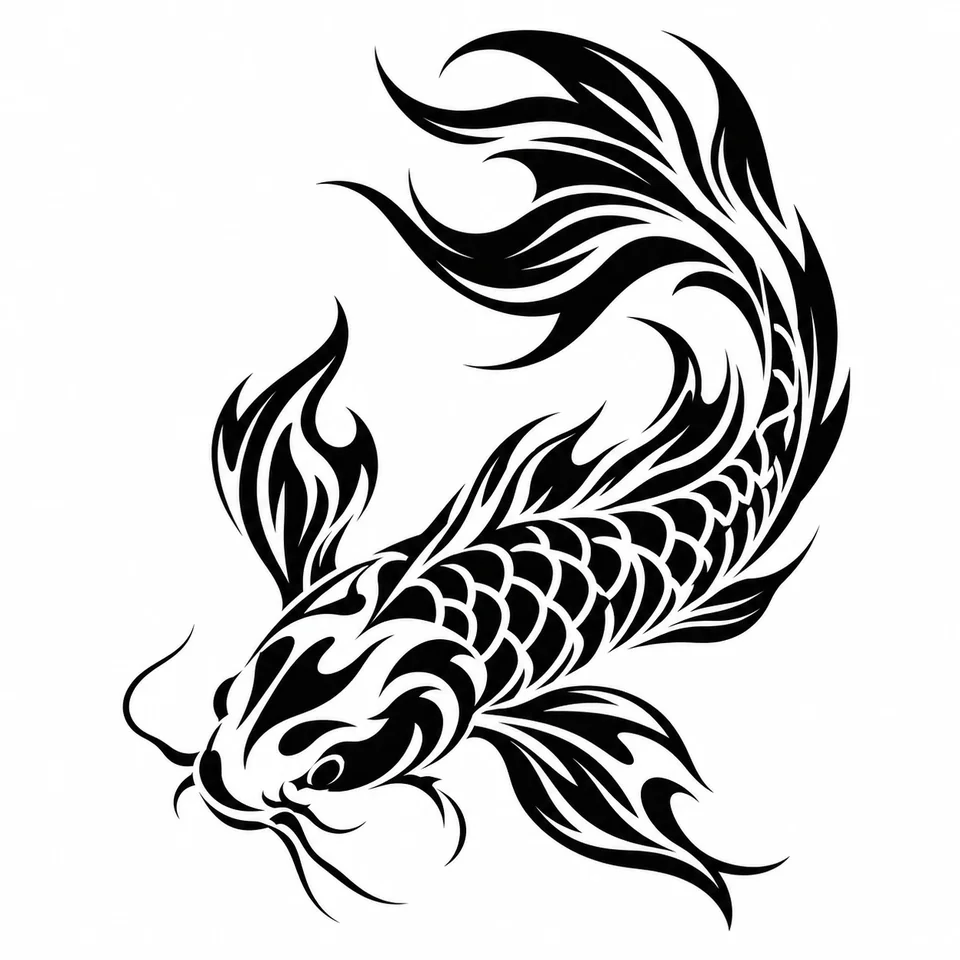
A strong current koi
Use a substantial koi silhouette against two broad current marks. Keep scales secondary to the head and tail so the fish remains readable at conversational distance. This suits someone who likes dynamic imagery and may eventually connect the subject to a larger water-based composition. Adapt the outline to the shoulder blades as the upper boundary and the waist as the lower boundary; keep a visible gap around the main subject so nearby motifs can remain optional.
Make this direction yours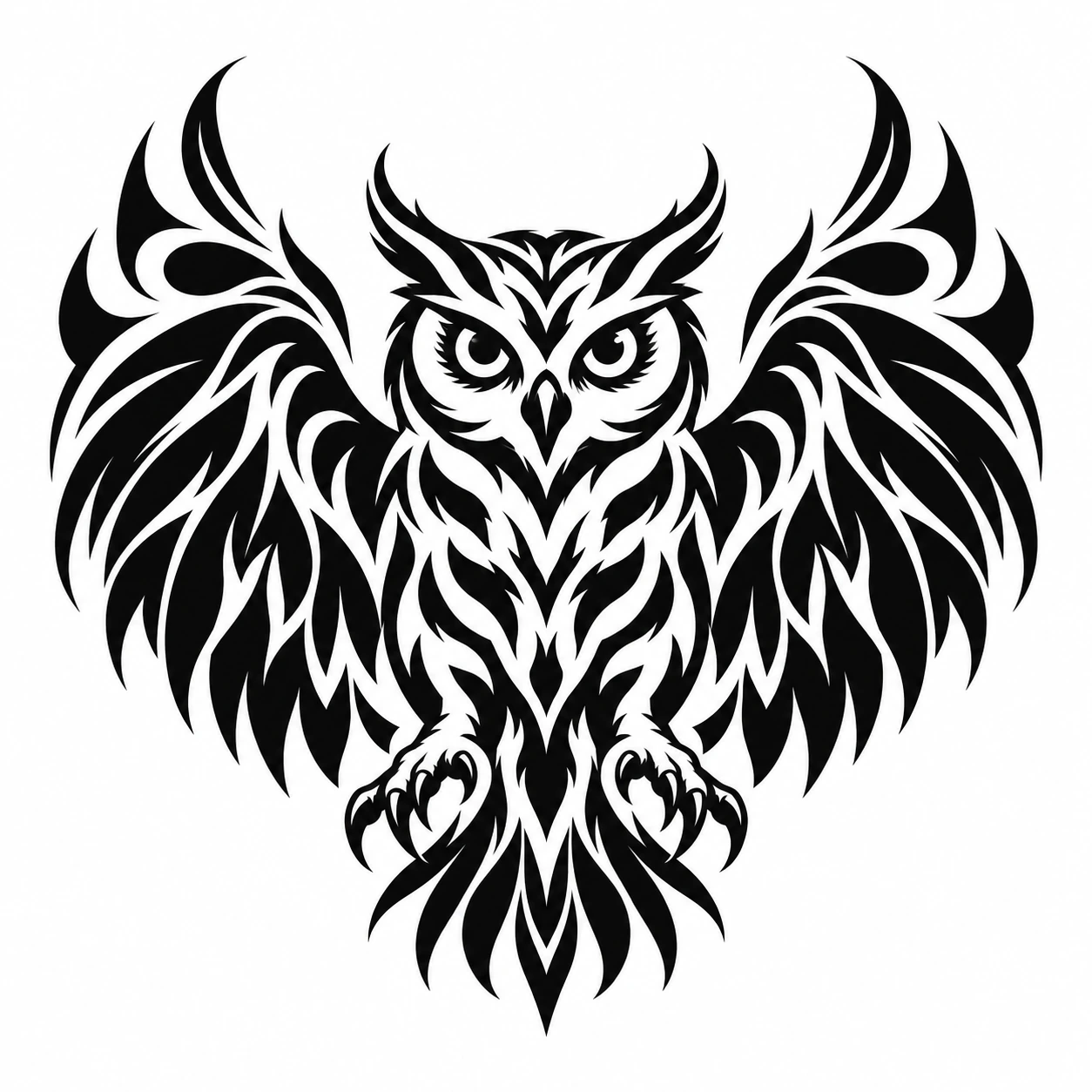
An owl sentinel
Give the owl a squared shoulder line and a strong brow, with the eyes separated by open skin. Woodcut-inspired shadow can reinforce its watchful posture. This suits someone who enjoys a graphic animal portrait and needs a subject with a clear top, center and grounded base. For this back version, begin with a broad upper-back crest. Keep the main gesture readable across the broad back; test it with both arms resting and reaching forward.
Make this direction yours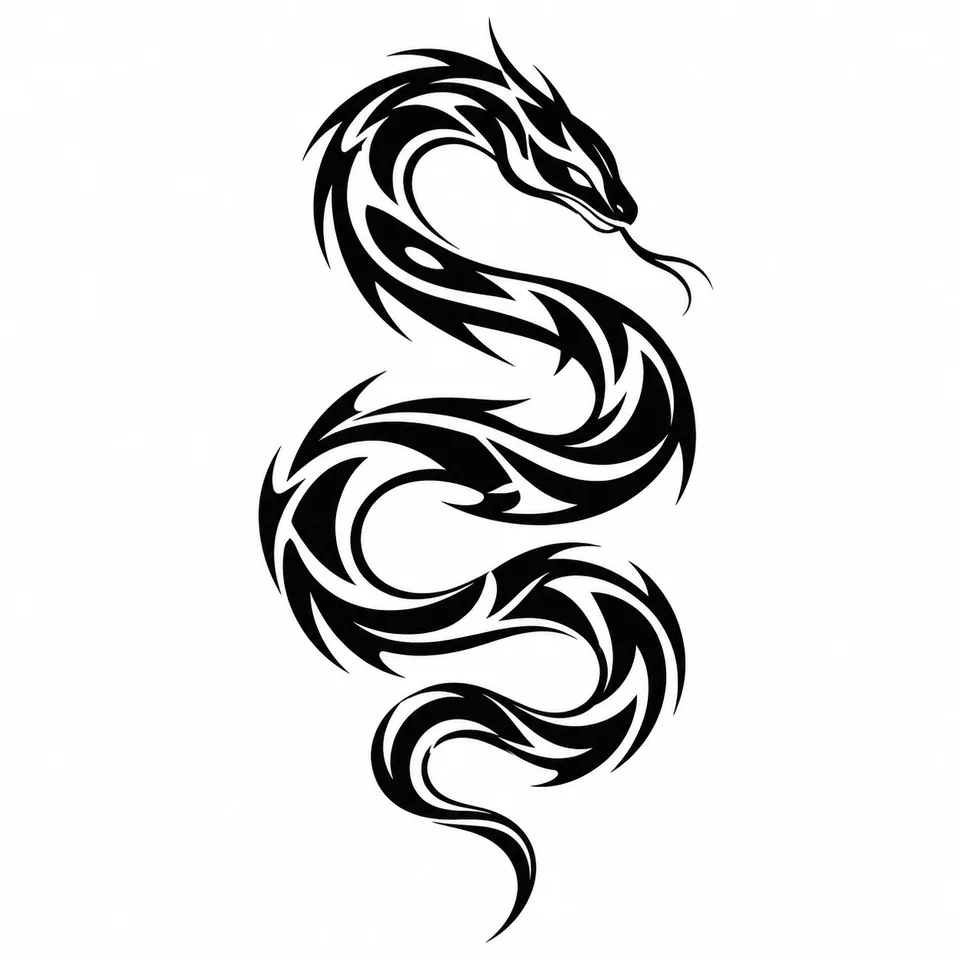
An angular serpent
Arrange a snake into deliberate bends with a firm head shape and minimal ornament. Etching-inspired shading adds texture while the outer contour stays decisive. This suits a collector seeking a strong standalone mark that could later connect to leaves, a blade or a geometric frame. On the back, make this a study in contrast: enlarge the subject before increasing texture. Keep the main gesture readable across the broad back; test it with both arms resting and reaching forward.
Make this direction yoursChoose contrast before adding coverage
If you prefer a substantial piece, ask whether its strength comes from size, shadow or subject. You rarely need all three at maximum intensity. Test a broad upper-back crest as an outline and as a shaded version. On the back, reserve a clean outside edge so a later extension can connect intentionally rather than fill accidental gaps.
Choose a size you can explain
Mark the shoulder blades as the upper boundary and the waist as the lower boundary on a body photograph and compare two paper outlines at different scales. Keep the main gesture readable across the broad back; test it with both arms resting and reaching forward. Judge the design from a normal viewing distance as well as close up. Your artist should determine the minimum workable detail; a screen preview does not predict how fine marks will age.
Turn the shortlist into an artist brief
Use a preset below to open the studio with the back placement and a subject prompt. The pictured references are existing tribal flash; other styles mentioned here are proposed reinterpretations, not additional images. Change one variable at a time, such as outline weight or pose, and save two alternatives. Tell your artist your preferred boundaries, intended size and any future expansion. Generation starts only when you choose to generate.
Questions about back tattoo ideas for men
Which back tattoo idea should I try first?
Start with the motif you can describe in one sentence, then compare it as a broad upper-back crest. Personal relevance and a clear silhouette are more useful selection criteria than the number of details in a reference.
How small can my back idea be?
There is no universal minimum. Bring the chosen subject and intended boundaries to an artist, who can simplify it for the available area. Compare a larger outline before asking for finer lines.
Are these ideas only for men?
No. The audience label groups creative preferences, not eligibility. Anyone can wear these motifs. Choose coverage and visual weight for your own body, clothing and taste.
How do I plan the appointment?
Ask your artist about session length, placement sensitivity and their aftercare instructions before booking. Plan clothing that leaves the back accessible and discuss activities that could rub the area. Avoid treating an AI concept as a stencil ready to tattoo.