 CREATE AI TATTOO
UPPER ARM IDEA COLLECTION
Upper arm Tattoo Ideas for Women
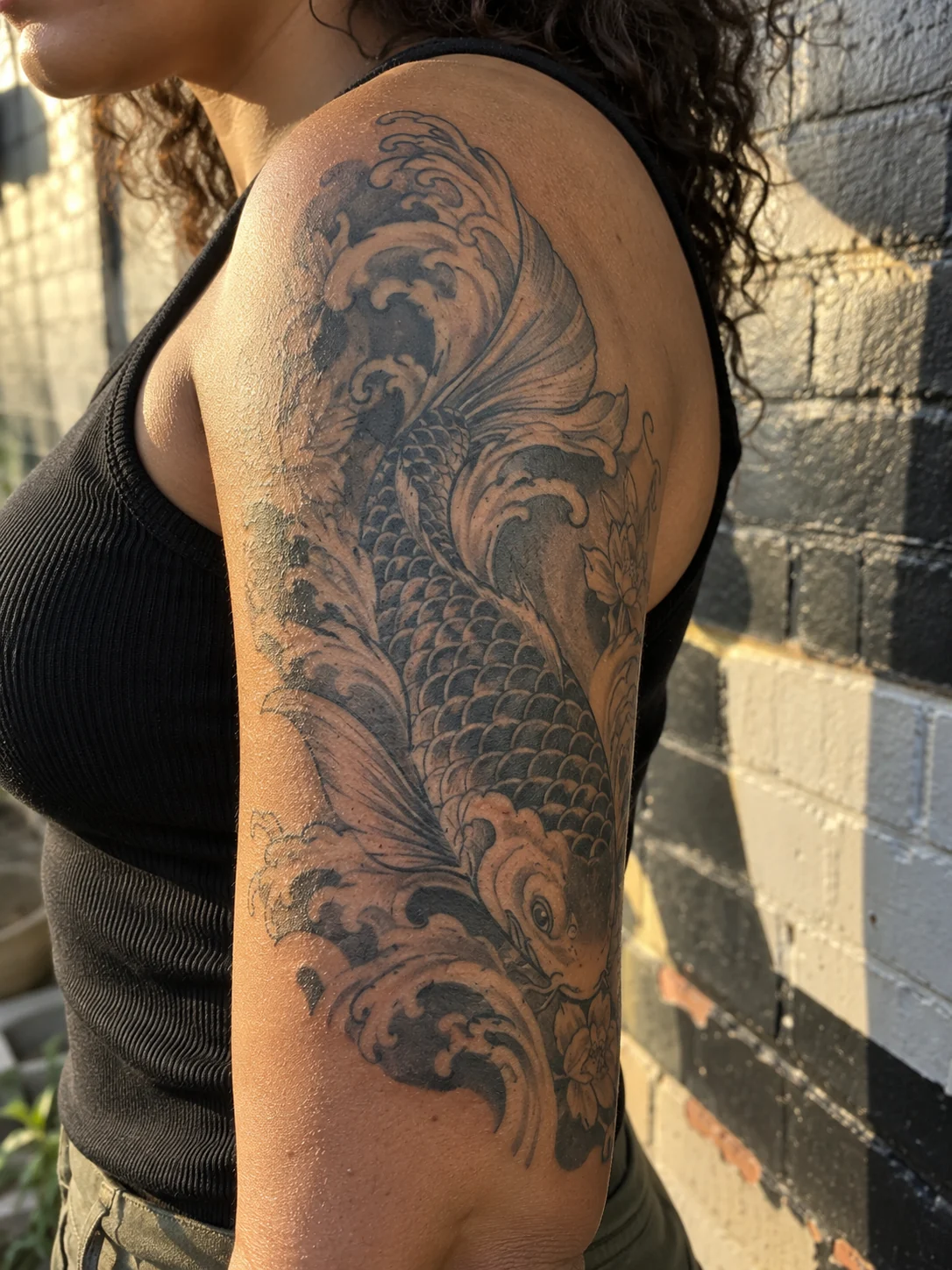
Upper arm Tattoo Ideas for Women start with a subject you want to live with, then a shape that belongs on your body. This collection explores a narrow inner-arm story or open outer-arm curve, using eight motifs as creative starting points. Decide what the image should express before choosing its decorative details. The aim is a brief you can discuss with an artist, not a finished stencil.
This selection for women explores asymmetry, botanical pairings and selective coverage, alongside stronger animal subjects. These are creative directions rather than rules about femininity. You can choose dense blackwork or generous open space; first decide how the design should sit between the shoulder cap and the bend of the elbow.
START WITH A SHAPE
8 upper arm tattoo ideas for women to make your own
Eight motif studies to adapt to your chosen placement. The flash images show motifs to adapt, not finished tattoos, healed results or automatic placement previews.
A quiet pond koi
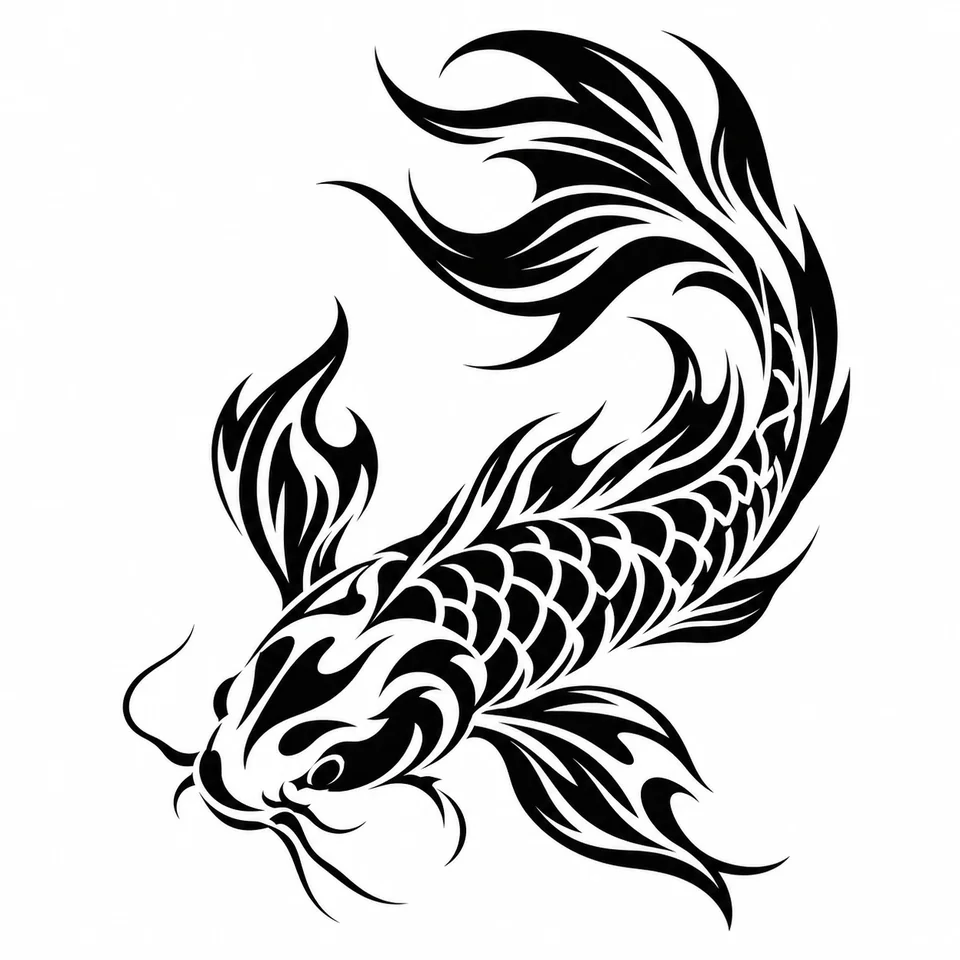
Draw a koi beside a small floating leaf, with a long pause of open skin between them. Illustrative contours and a restrained wash-like shadow suggest calm movement. This suits someone who prefers a reflective nature theme and wants asymmetry instead of a dense ornamental panel. For this upper arm version, begin with a narrow inner-arm story or open outer-arm curve. Keep a clear front view while letting supporting lines turn onto the side; avoid hiding the subject’s key feature at the wrap.
Make this direction yours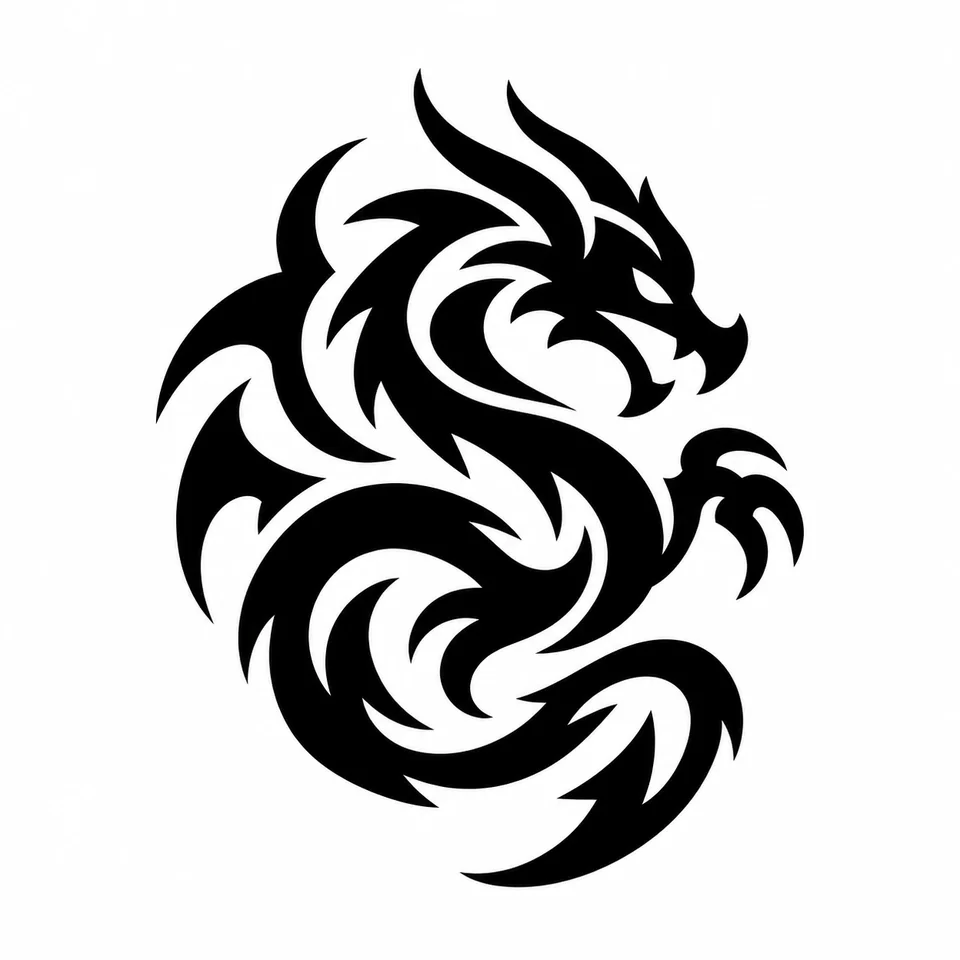
A ribbon dragon
Let a slender dragon follow a loose ribbon, alternating dark fins with open skin. Pair it with illustrative linework for a mythic subject that feels fluid rather than heavy. This suits someone who wants a confident creature without filling the entire available surface. On the upper arm, make this a study in contrast: enlarge the subject before increasing texture. Keep a clear front view while letting supporting lines turn onto the side; avoid hiding the subject’s key feature at the wrap.
Make this direction yours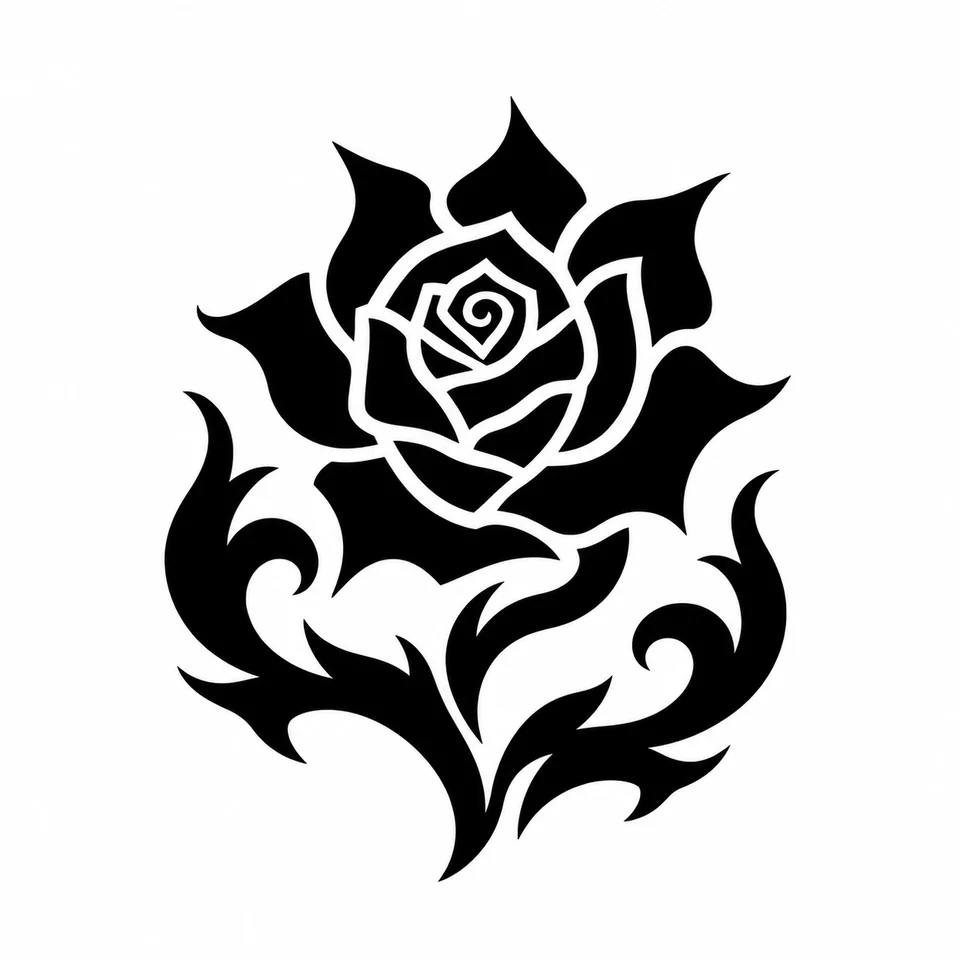
A climbing garden rose
Build an uneven rose sprig with one open flower and one quiet bud. Botanical linework lets the stem establish direction while the petals supply softness. This suits a collector interested in growth or a garden memory who wants to leave breathing room around the composition. Adapt the outline to the shoulder cap and the bend of the elbow; keep a visible gap around the main subject so nearby motifs can remain optional.
Make this direction yours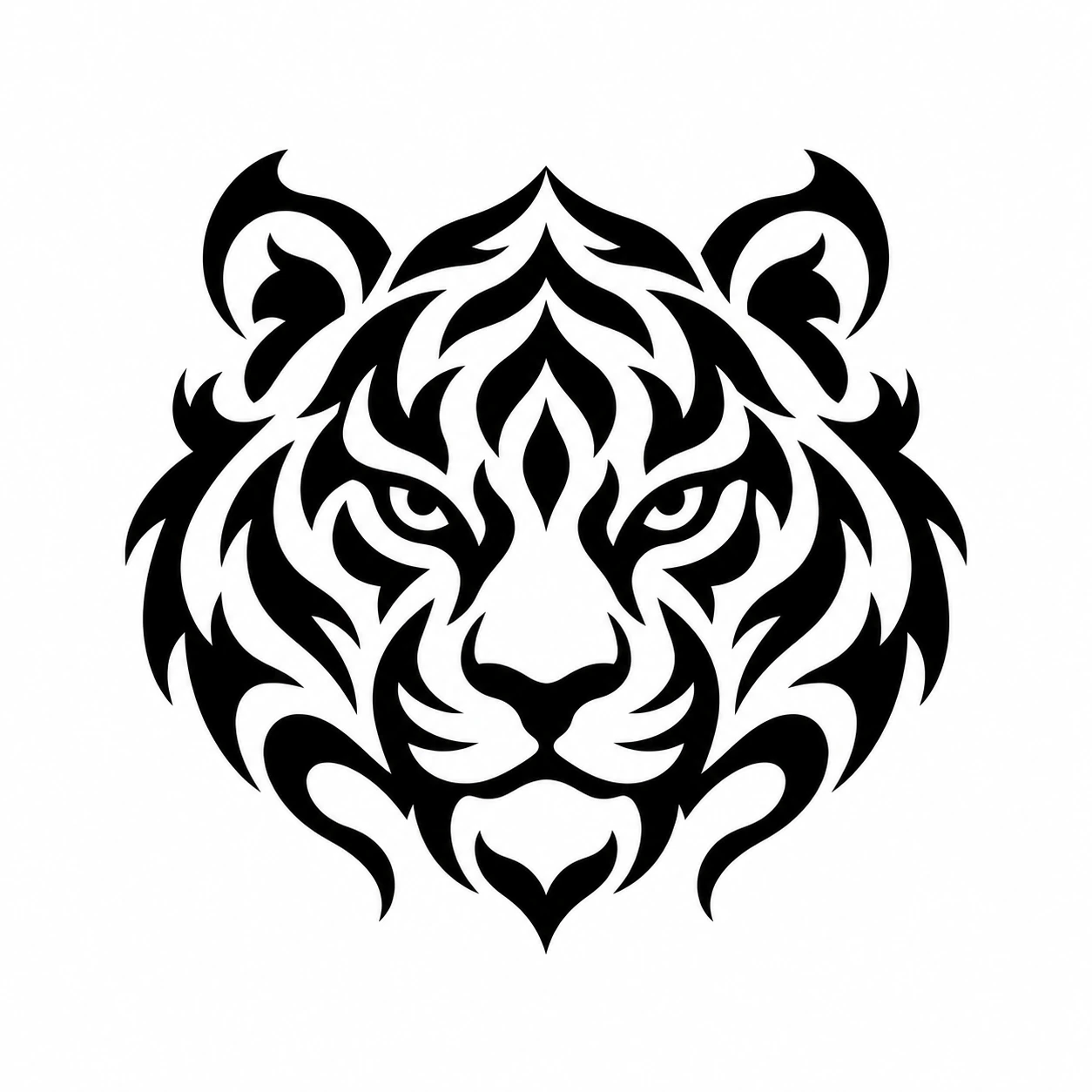
A tiger among leaves
Combine a resting tiger profile with two leaves placed behind, not across, the face. Botanical illustration can soften the framing without reducing the animal to decoration. This suits someone who wants strength expressed through stillness and prefers an intimate wildlife portrait to a roaring mask. For this upper arm version, begin with a narrow inner-arm story or open outer-arm curve. Keep a clear front view while letting supporting lines turn onto the side; avoid hiding the subject’s key feature at the wrap.
Make this direction yours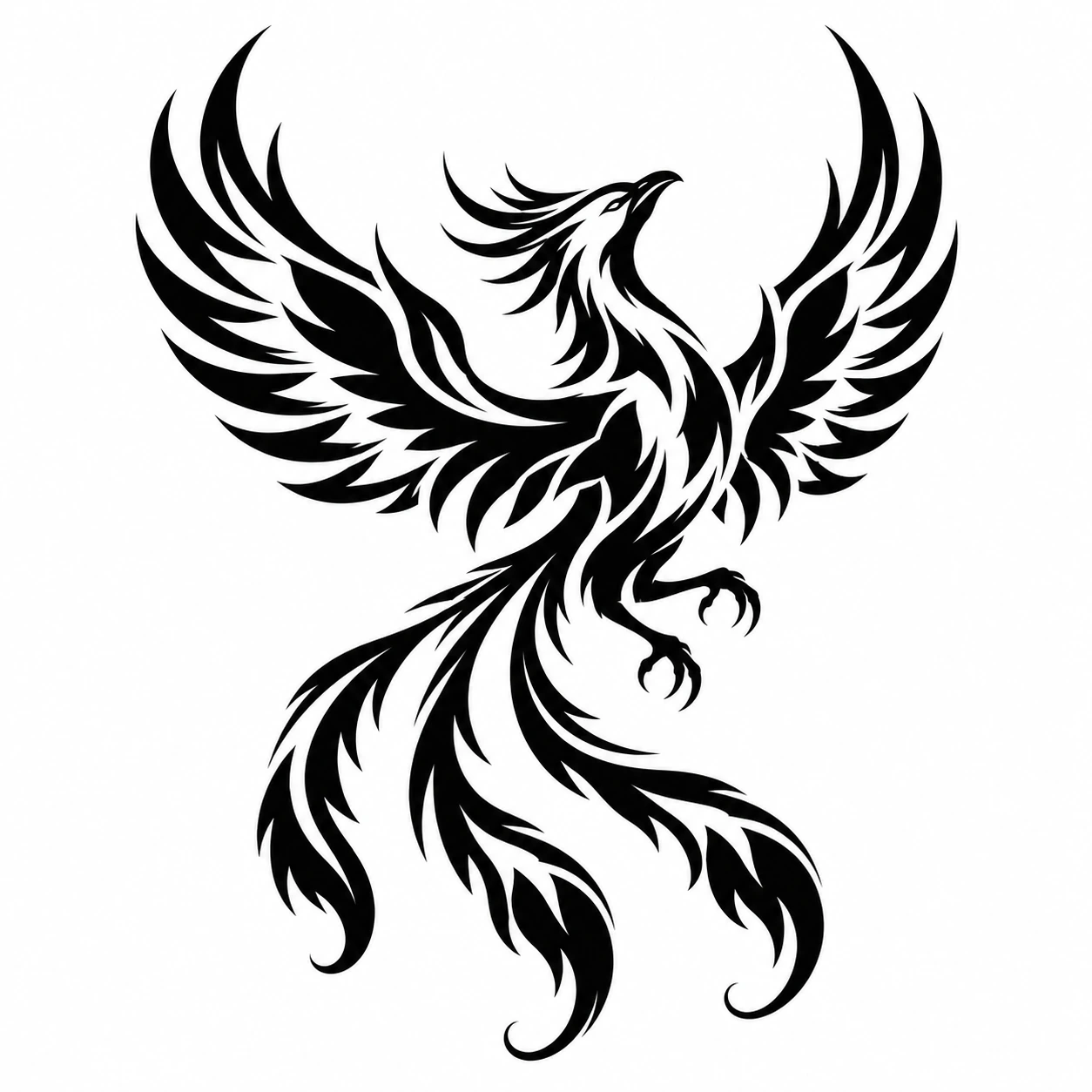
A flowing phoenix plume
Turn the phoenix into an airy feather arrangement with a visible head and one long trailing plume. Pair soft illustrative curves with selective dark tips. This direction suits someone celebrating recovery or reinvention who wants graceful motion while keeping the creature recognizable from a distance. On the upper arm, make this a study in contrast: enlarge the subject before increasing texture. Keep a clear front view while letting supporting lines turn onto the side; avoid hiding the subject’s key feature at the wrap.
Make this direction yours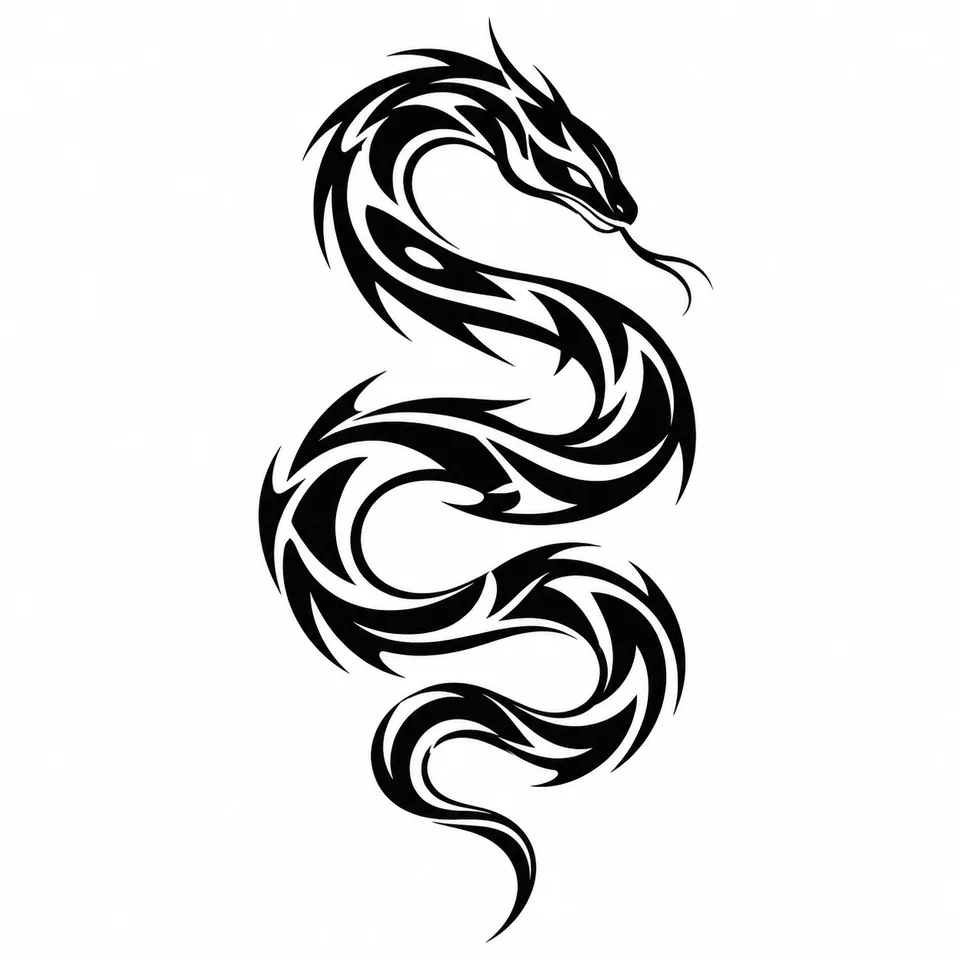
A botanical serpent
Thread a snake through a single branch, allowing the two lines to separate rather than knot together. Fine illustrative treatment balances the creature with a living plant. This suits someone who likes contrast between softness and strength but does not want a crowded floral wreath. Adapt the outline to the shoulder cap and the bend of the elbow; keep a visible gap around the main subject so nearby motifs can remain optional.
Make this direction yours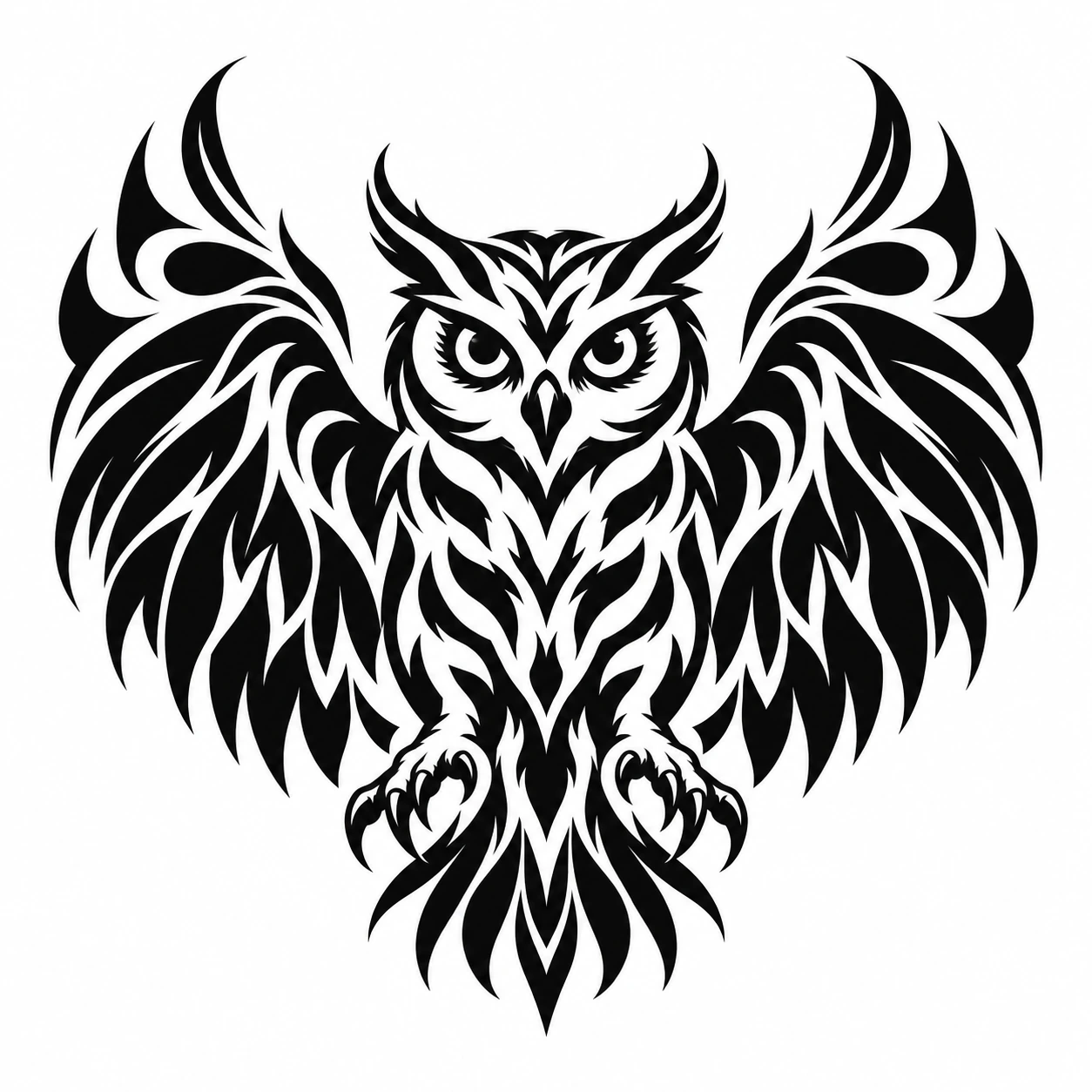
An owl beneath a crescent
Place a small crescent above an owl with softly grouped feathers. Keep the moon separate so the portrait does not become a dense badge. This suits someone drawn to a night-garden theme who wants room to add a branch or another small celestial element later. For this upper arm version, begin with a narrow inner-arm story or open outer-arm curve. Keep a clear front view while letting supporting lines turn onto the side; avoid hiding the subject’s key feature at the wrap.
Make this direction yours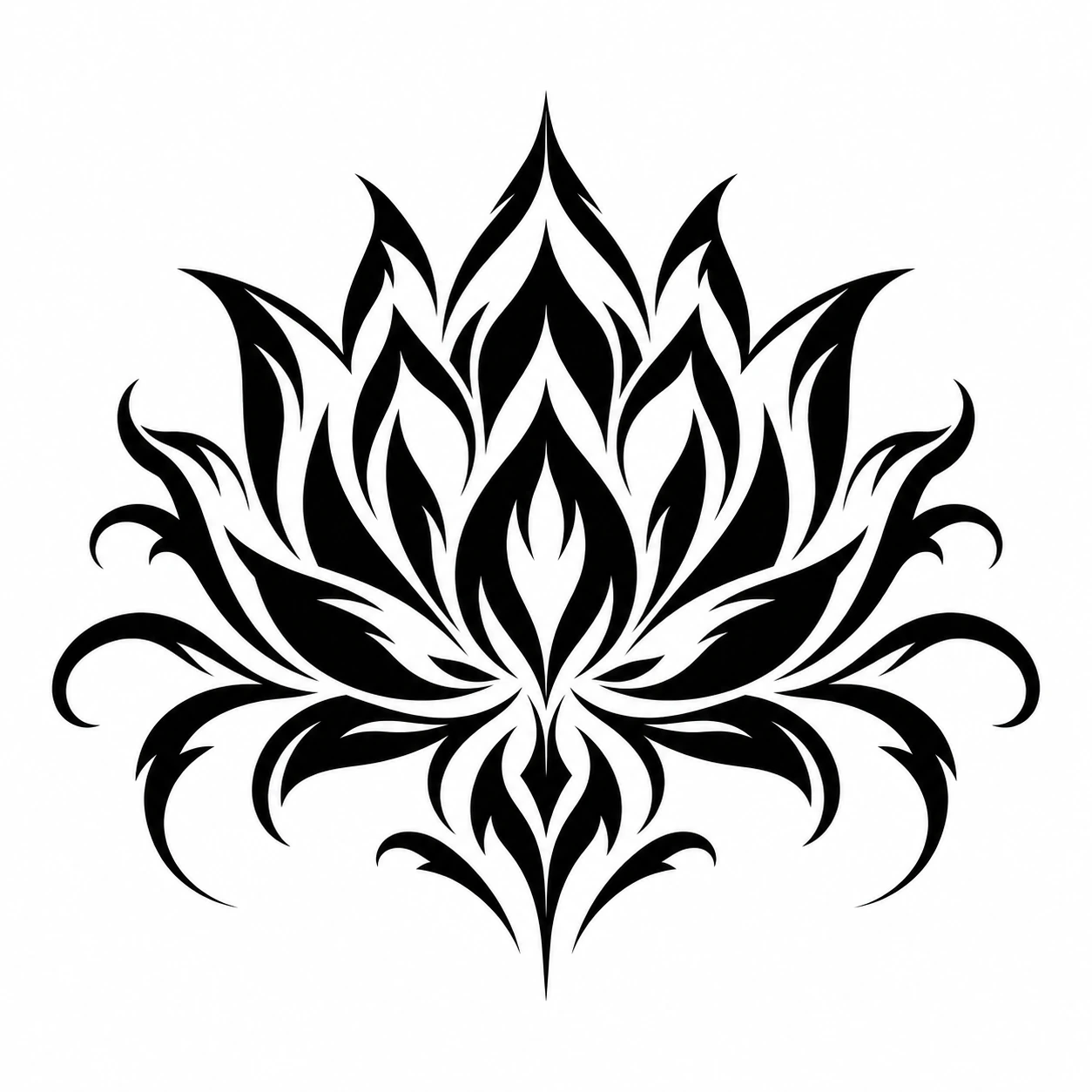
An asymmetric lotus bloom
Let a lotus open toward one side with a single falling petal beneath it. Pair botanical curves with light dotwork concentrated near the center. This suits someone looking for a quiet floral motif whose character comes from an unusual silhouette instead of elaborate surrounding decoration. On the upper arm, make this a study in contrast: enlarge the subject before increasing texture. Keep a clear front view while letting supporting lines turn onto the side; avoid hiding the subject’s key feature at the wrap.
Make this direction yoursChoose spacing before adding ornament
Compare an isolated subject with an offset pairing before requesting more flowers, stars or dots. The open space is part of the design. For a narrow inner-arm story or open outer-arm curve, a single supporting element may establish movement more clearly than a decorative border. Ask the artist which small gaps and line weights remain practical at your chosen dimensions.
Choose a size you can explain
Mark the shoulder cap and the bend of the elbow on a body photograph and compare two paper outlines at different scales. Keep a clear front view while letting supporting lines turn onto the side; avoid hiding the subject’s key feature at the wrap. Judge the design from a normal viewing distance as well as close up. Your artist should determine the minimum workable detail; a screen preview does not predict how fine marks will age.
Turn the shortlist into an artist brief
Use a preset below to open the studio with the upper arm placement and a subject prompt. The pictured references are existing tribal flash; other styles mentioned here are proposed reinterpretations, not additional images. Change one variable at a time, such as outline weight or pose, and save two alternatives. Tell your artist your preferred boundaries, intended size and any future expansion. Generation starts only when you choose to generate.
Questions about upper arm tattoo ideas for women
Which upper arm tattoo idea should I try first?
Start with the motif you can describe in one sentence, then compare it as a narrow inner-arm story or open outer-arm curve. Personal relevance and a clear silhouette are more useful selection criteria than the number of details in a reference.
How small can my upper arm idea be?
There is no universal minimum. Bring the chosen subject and intended boundaries to an artist, who can simplify it for the available area. Compare a larger outline before asking for finer lines.
Are these ideas only for women?
No. The audience label groups creative preferences, not eligibility. Anyone can wear these motifs. Choose coverage and visual weight for your own body, clothing and taste.
How do I plan the appointment?
Ask your artist about session length, placement sensitivity and their aftercare instructions before booking. Plan clothing that leaves the upper arm accessible and discuss activities that could rub the area. Avoid treating an AI concept as a stencil ready to tattoo.